
News
Horta-Guinardó reorganises its municipal offices in a century-old building
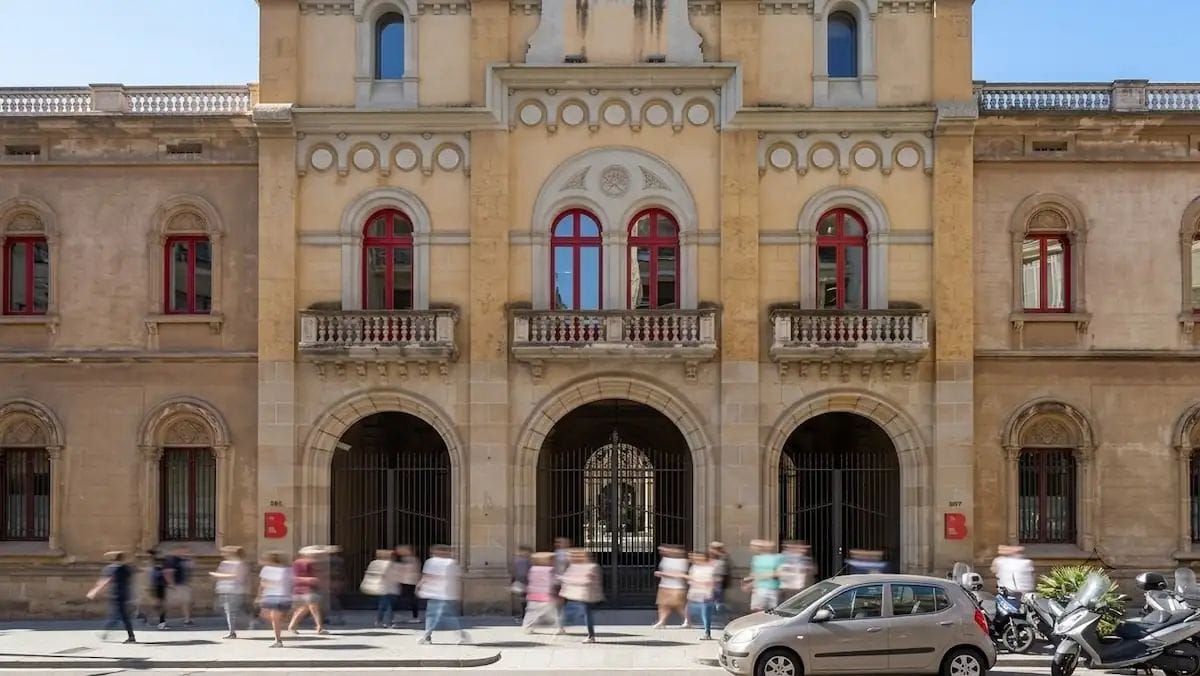
The municipal headquarters of Horta-Guinardó is preparing for an internal reorganisation that will bring more staff and departments together in the building at Carrer Lepant, 387. The renovation will mainly affect the first floor and will allow around 90 district employees to be based there.
The aim is for Management and the main municipal departments to work in the same space. These will include Servicios a las Personas y Territorio, Servicios Generales and Licencias y Espacio Público, teams that until now have not always shared a headquarters.
The change is intended to reduce this dispersion and make day-to-day work between areas easier. For local residents, the main effect should be a more coordinated management of issues ranging from licences and urban maintenance to local services and actions in public spaces.
The works include a redistribution of offices and workstations, as well as improvements related to accessibility, working conditions and the building's energy efficiency. The planned budget is around 33,800 euros and the work is expected to take four months.
The renovation will have to take place alongside the usual activity at the headquarters. The aim is to keep services running and available to the public while the works are underway, avoiding any disruption to those who come to the building for administrative procedures.
This move is part of a wider reorganisation of Barcelona's municipal offices. The City Council has recently relocated around 550 employees to a new building on Cristóbal de Moura, in the 22@, where different departments now share about 8,400 square metres.
In Horta-Guinardó, however, the operation will take place within a headquarters with more than a century of history. The Lepant building has been in use since the early 20th century and will continue to serve an administrative function while adapting its spaces to a workforce and needs very different from those of its early years.
The renovation will be small compared to other major municipal projects, but it will have a very tangible daily impact: fewer teams spread across different sites and more staff sharing the same building. In a district of more than 170,000 residents, this internal coordination may also be felt on the other side of the counter.