
News
Barcelona will move its emergency centre to Les Tres Xemeneies
Barcelona is preparing a new emergency coordination centre in the Llac building, within the Les Tres Xemeneies complex in Poble-sec. The City Council will invest 36.6 million euros to refurbish an unused building and bring together the response to crises, serious accidents, or incidents that affect the city's daily operations.
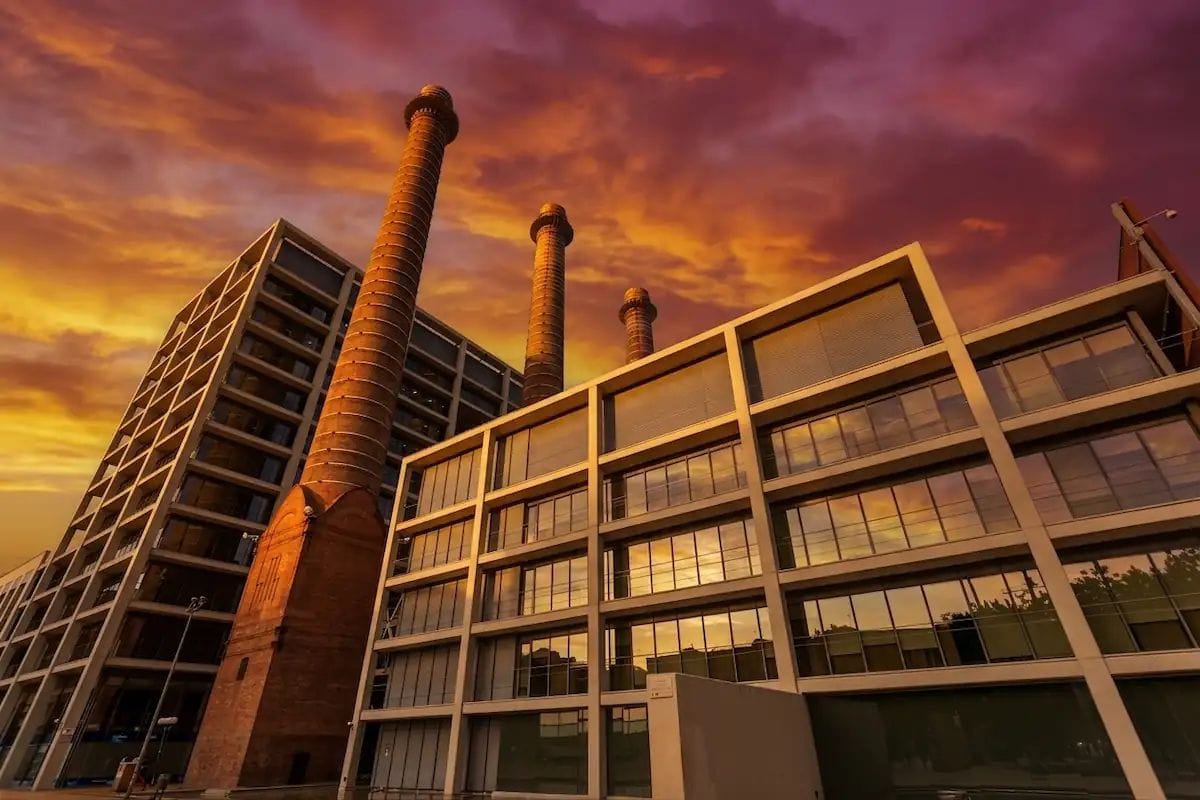
The project will move the current CECOR, located on Lleida Street, to a larger and better equipped space. The new headquarters will make it possible to better coordinate Guàrdia Urbana, Bombers de Barcelona, Mossos d’Esquadra and the Sistema d’Emergències Mèdiques when there is a major incident in the city.
Construction is planned for the first quarter of 2027, with the aim of having the centre ready by the end of 2028. The change will not only be one of location: the building will double the current operational floor area and exceed 5,000 square metres devoted to control rooms, crisis spaces, work areas and rest areas for teams operating 24 hours a day.
Technology will play a central role. The new centre will include videowalls, redundant communication systems, multi-technology networks and a high-security data centre. The idea is that, in an emergency, the bodies involved can share information in real time and make decisions without losing crucial minutes.
The refurbishment will retain recognisable elements of the building, such as the gelosia ceràmica façade, but will adapt the entire structure for strategic use. Security and energy-efficiency improvements are also planned, along with facilities designed to ensure that the centre can keep operating even in complex situations.
The project includes sustainable solutions, such as using the heat generated by technological equipment to regulate the building's temperature and circadian lighting systems. They are less visible details from the street, but important in a facility that will have to be active day and night.
The choice of Les Tres Xemeneies also has an urban dimension. A space with a strong industrial memory and years of underuse will take on a key role for Barcelona, in an area next to Paral·lel and well connected to different parts of the city.
The new centre will not be noticeable in daily life in the way a square, a market or a bus line is, but it can be decisive when something goes wrong. In a city exposed to major events, heat episodes, storms, fires or mobility problems, better coordinating emergencies means responding earlier and more clearly when residents need it most.