
News
Barcelona breaks heat record after a historic spring
Barcelona has just experienced a historic spring for heat. Observatori Fabra has confirmed that the city has not had such a warm season since it began its record-keeping 113 years ago, a fact reflected in more difficult nights for sleeping, terraces filling up earlier than usual, and outdoor plans marked by unusually high temperatures.
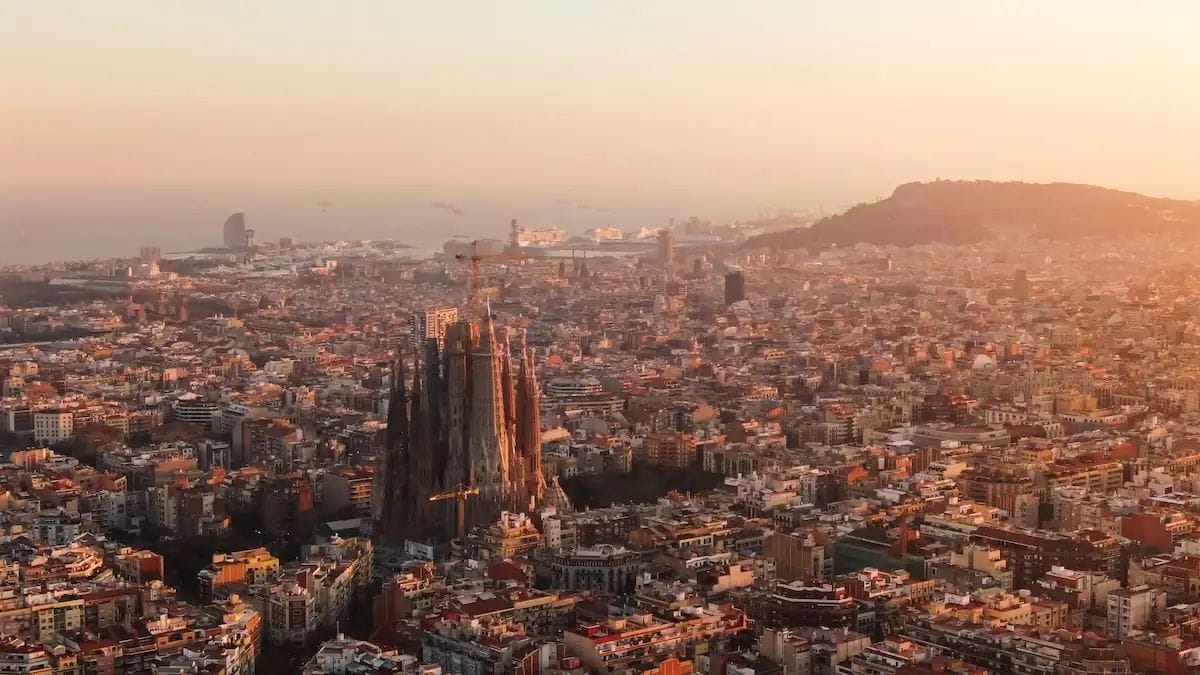
The heat has not been an isolated sensation in the Catalan capital. Across 95% of the territory, temperatures have exceeded the usual average by more than one degree, with areas of Noguera, Solsonès and the Garraf massif where the anomaly has risen above two degrees.
April was the month that most disrupted the season's usual pattern. An African air mass sent temperatures above 35 degrees at several points in Catalonia and set records for both highs and lows. In Barcelona, this warm spell brought forward conditions more typical of June than of the height of spring.
Tropical nights also arrived earlier than normal. In neighbourhoods such as Gràcia, Eixample and denser areas of the centre, the nocturnal heat is more noticeable because of the concentration of buildings, traffic and poor ventilation in some streets. For many residents, the problem is not only the temperature peak, but being unable to cool their homes at night.
Rain has not helped either. More than 60% of Catalonia has experienced a dry spring, with rainfall below expectations across much of the territory. The exceptions have been concentrated in areas of the Pyrenees and the Port massif, far from the pattern that would have brought clearer relief to Barcelona and its surrounding area.
In the city, the lack of water is particularly apparent in parks, gardens and urban trees. Conditions have not reached a situation comparable to the 2023 drought, but neither has the relief provided by the 2025 rains been repeated. Spring has left an in-between feeling: less emergency, but water still an underlying concern.
Observatori Fabra is once again key to measuring the scale of the episode. Its records, taken from the slope of Tibidabo since 1904, make it possible to compare present-day Barcelona with more than a century of data and see how far the recent heat departs from what is usual.
For those who live in Barcelona, the news is not just a meteorological figure. A spring like this changes schedules, sleep, water consumption, the use of parks and the way people move around the city. Summer has not officially begun yet, but Barcelona is already reaching June with clear signs of a more demanding season for urban life.