
News
Barcelona experiences a summer with record days of extreme heat in 2026
The summer of 2026 brought 19 extra days of extreme heat in Barcelona. Madrid endured 41 additional days. More than 26 million people in Spain have felt the impact. Climate change is already making a difference in urban life.
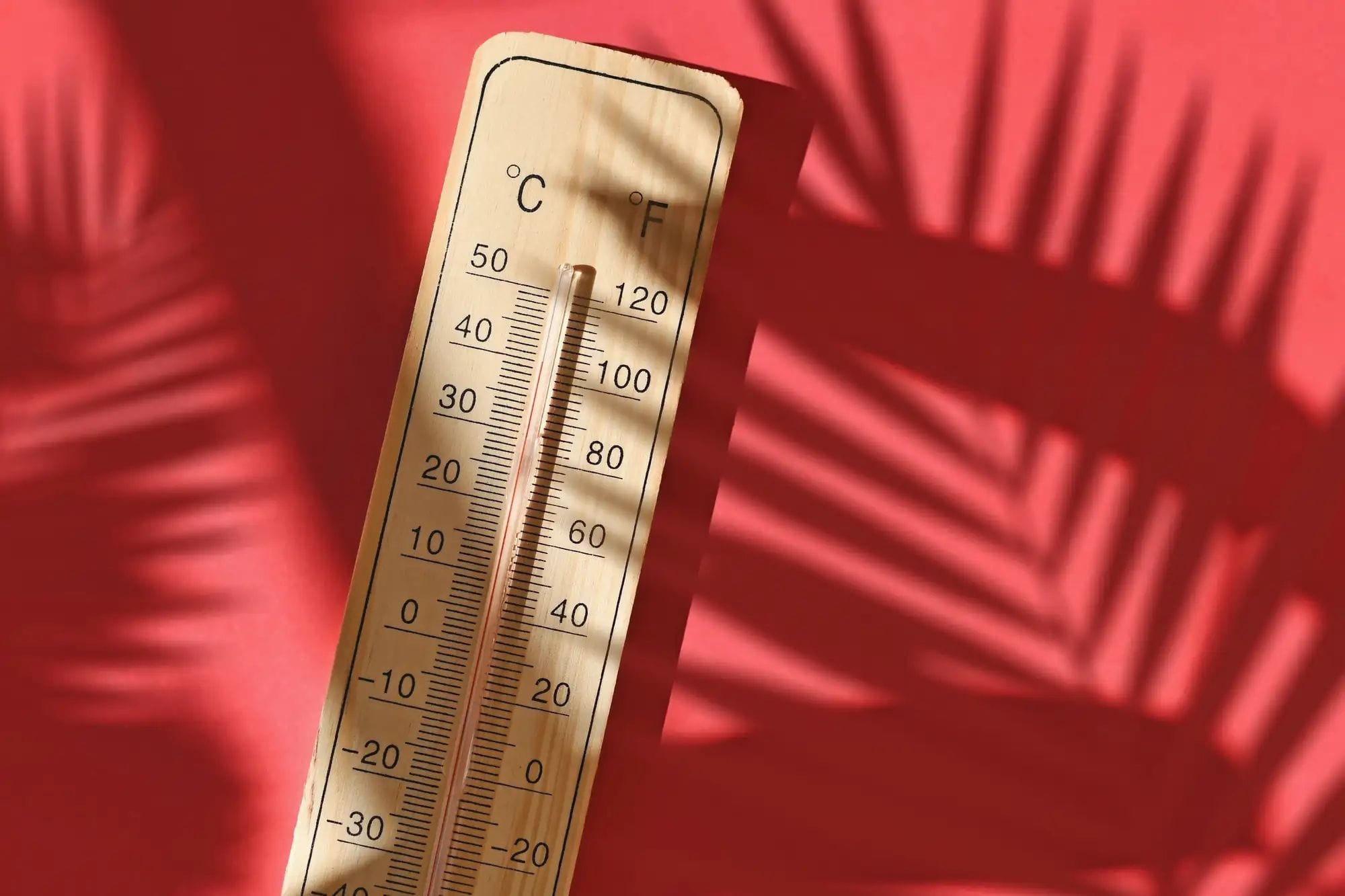
Going out in the streets of Barcelona during the summer of 2026 has been a radically different experience compared to just a few years ago. The extreme heat has not only broken records, but has also changed routines, plans, and even the way people move around the city. Nights have become longer and heavier, and the shade of the Rambla is no longer enough to relieve the feeling of suffocation.
The latest report from Climate Central puts numbers to what many people in Barcelona already suspected: this summer, the city has endured 19 additional days of extreme heat compared to what would be expected without the effects of climate change. In Madrid, the figure jumps to 41 days, placing the capital among the three European cities most affected by rising temperatures.
In total, 26.5 million people in Spain have experienced at least 30 extra days of extreme heat between June and August. The country has added a whole month of abnormal temperatures, with 62 days of extreme heat compared to the 32 that would have been recorded in a scenario without climate change.
Observatori Fabra has confirmed the hottest summer since records began, with an average of 27.1 ºC, surpassing even the historic summer of 2003. The threshold for extreme heat has been defined as any day when the temperature exceeds 90% of the highest values from the 1991-2020 period. In Barcelona, this has meant endless tropical nights and days when the asphalt seemed to melt underfoot.
The situation is not unique to Spain. More than a quarter of the world’s population has suffered intense heat daily over the past three months. In Estados Unidos, 69 million people have experienced at least 30 days of extreme heat, and in Asia, 2.8 billion inhabitants have been exposed to dangerous temperatures for more than a month.
Europe has accounted for seven of the ten countries with unusually high temperatures, with France leading the way. Longyearbyen, in the Svalbard islands, has recorded the highest number of additional days of extreme heat on the continent, but Spain leads in terms of affected population.
The summer of 2026 has not only set record numbers, but has also tested Barcelona’s ability to adapt. Heatwaves have forced a rethink of schedules, reinforced emergency services, and prompted new strategies to protect the most vulnerable. The city faces a challenge that is no longer in the future, but in the present.
Observatori Fabra, located on the slopes of Tibidabo, is one of the historic reference points for monitoring the climate in Barcelona. Since 1914, its records have documented the evolution of temperatures and the city’s most extreme weather events. Its privileged location allows for comparison between the urban reality and other areas of the metropolitan region, and its data are key to understanding how climate change is transforming daily life in Barcelona.