
News
Barcelona and the ‘cashless’ revolution: how the city leads digital payments in Europe
For years, Barcelona has positioned itself as one of Europe's most innovative cities, not only in terms of culture, design or tourism, but also in the way people consume. In this context, the digitalisation of payments has completely transformed the urban experience, making the city a benchmark in the use of financial technologies.
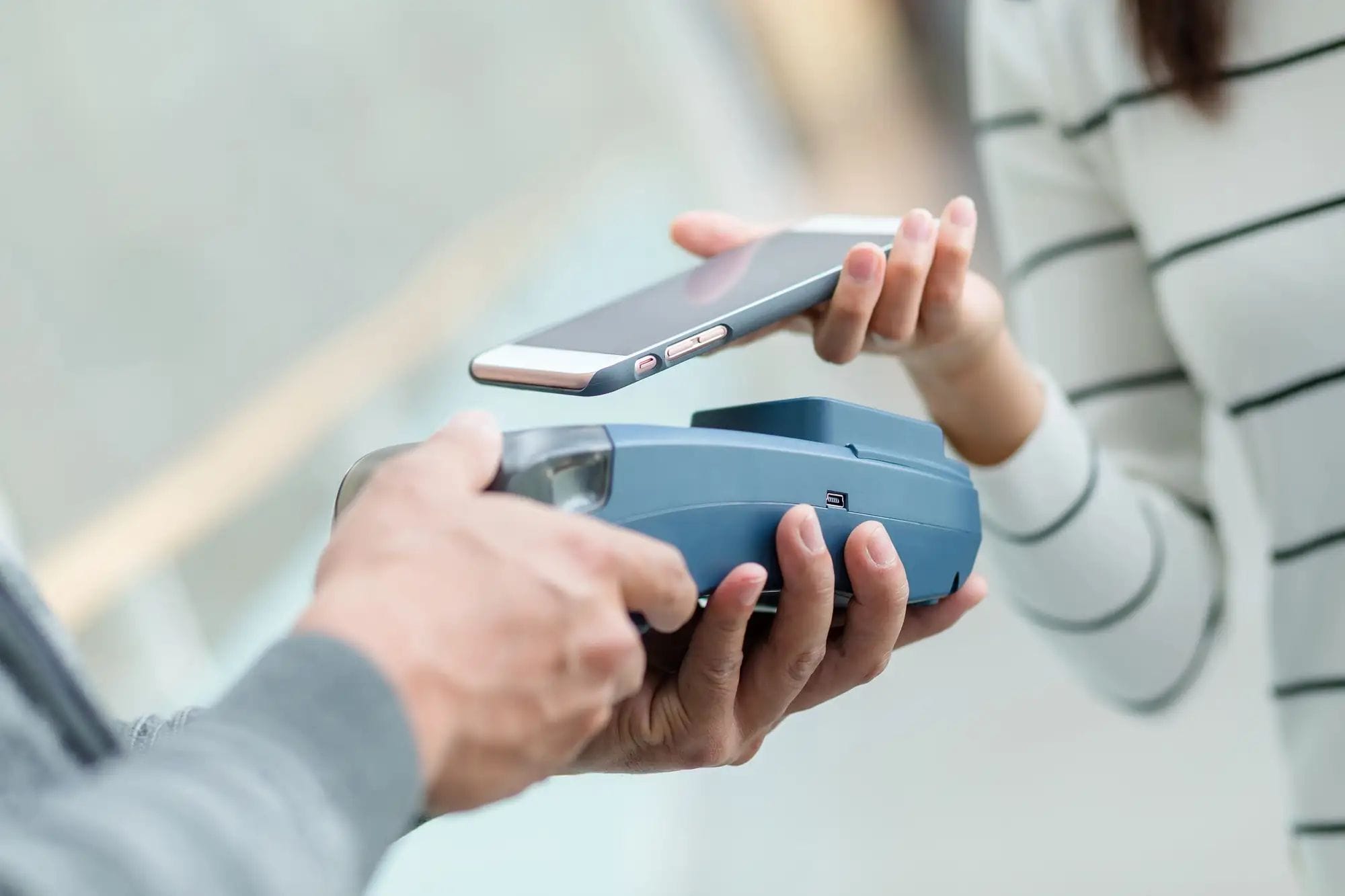
Nowadays, both residents and visitors can pay cash-free in shops with ease, from a café in Gràcia to a market in the Eixample or a design shop in the Born. This change responds not only to a global trend, but also to a natural adaptation to the agile, dynamic lifestyle that defines Barcelona.
A city adapting to digital consumption
According to SumUp's Europe Cashless Observatory, a fintech specialising in payment solutions for businesses, retailers and the self-employed, Barcelona is one of the three European cities where cash-free payments are growing most rapidly. This growth is no coincidence. The city brings together a unique combination of factors: high tourist numbers, a strong presence of independent businesses and a population open to technological innovation. This has encouraged the rapid adoption of solutions that make it possible to pay by card, mobile phone or contactless devices in practically any establishment.
In neighbourhoods such as Poblenou, where technology start-ups and creative spaces coexist, or in more traditional areas such as the Gòtic, businesses have adapted to this new reality. Even small businesses that once depended exclusively on cash have incorporated digital systems that make purchasing easier and improve the customer experience.
Impact on local commerce
The transition towards a “cashless” economy has had a direct impact on urban consumption. For businesses, accepting digital payments means reducing friction, speeding up transactions and increasing sales opportunities. For customers, it means convenience, speed and greater control over their spending.
In addition, this transformation has enabled many businesses to optimise their internal management, access useful data on their sales and improve their relationship with customers. Platforms such as SumUp have played a key role in this process, offering accessible solutions that allow any business — regardless of its size — to accept digital payments easily.
Tourism, mobility and cash-free payments
Barcelona is a city deeply connected to international tourism. Every year, millions of visitors walk its streets, and the ability to pay cash-free has become a key factor in improving their experience. Not having to exchange currency, carry large amounts of money or look for cash machines makes consumption more spontaneous and convenient.
From buying tickets for a museum to paying at a food truck or booking a cultural activity, digital payments allow travellers to move around freely. This model also encourages a more fluid economy, where time and the user experience take centre stage.
The future of a cash-free city
Everything points to Barcelona continuing to move towards an increasingly digital model. The integration of new technologies, the growth of e-commerce and changing consumption habits reinforce this trend.
However, beyond technology, what really defines this change is the way it transforms everyday life. Paying cash-free is no longer an exception, but part of day-to-day life: a tool that simplifies, connects and improves the urban experience.
Barcelona shows that innovation is not at odds with tradition. On the contrary, it complements it and drives it towards the future, turning every everyday action — such as paying for a coffee or shopping at a market — into a more agile, convenient experience adapted to the times.