
News
Barcelona and its metropolitan area receive 47 million in European funding to transform neighbourhoods
Ten cities in the Barcelona area receive historic European funding. Housing, culture and digitalisation will be the key focuses. Discover how these millions will change life in neighbourhoods. The future of social cohesion is at stake.
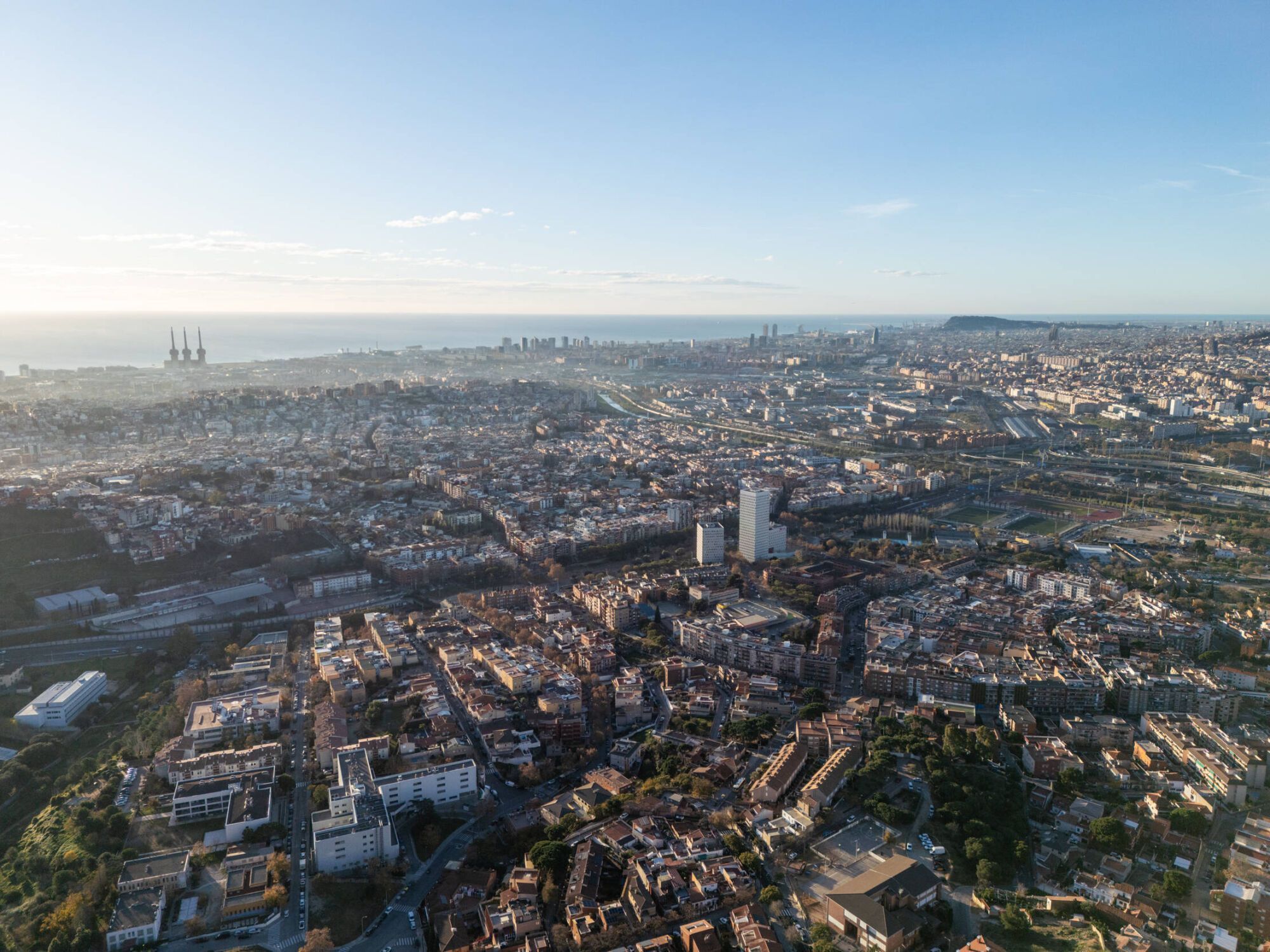
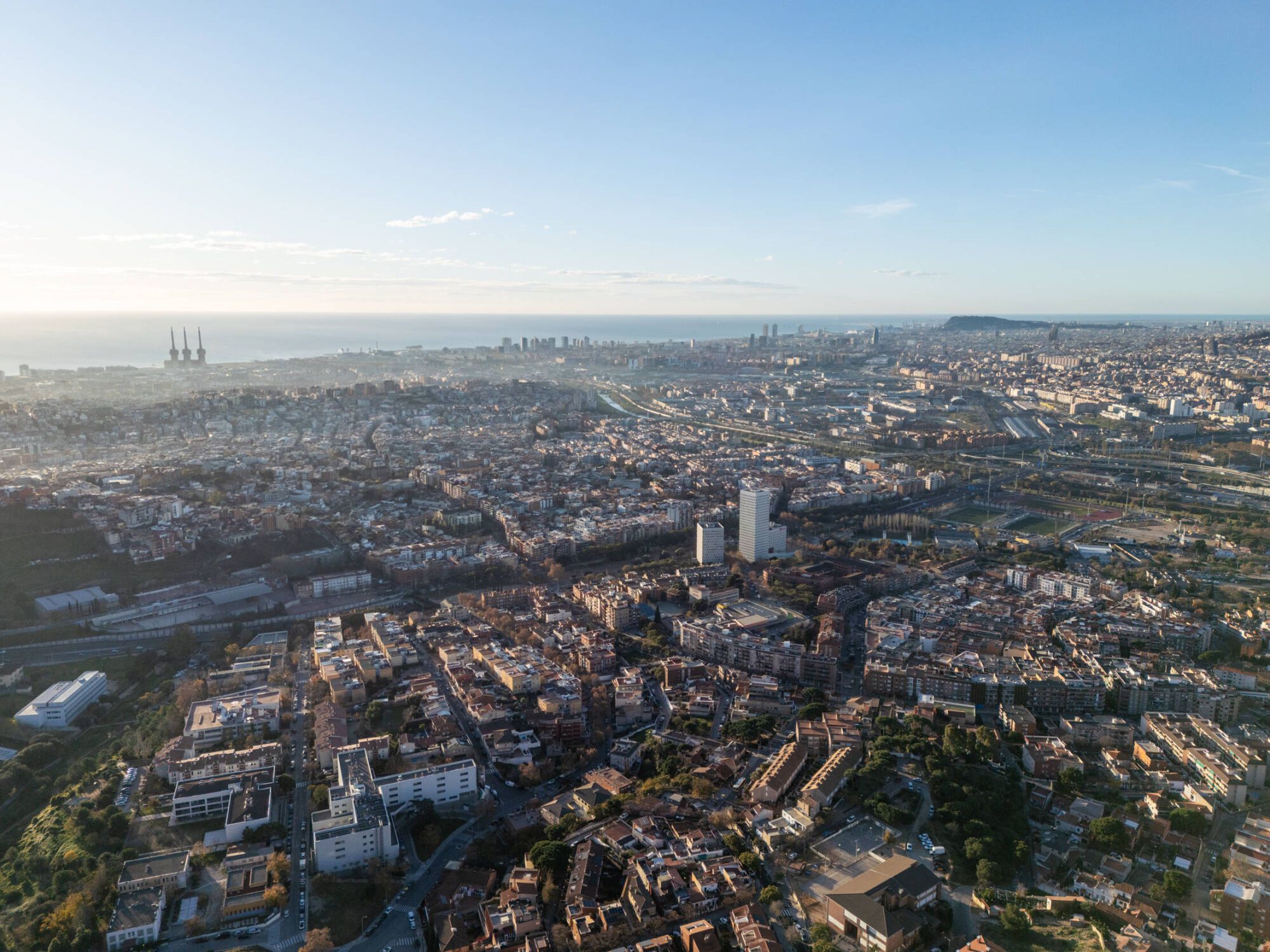
The Barcelona Metropolitan Area (AMB) has secured an injection of 47 million euros from European funds to promote social cohesion in neighbourhoods across ten metropolitan cities. This funding, unprecedented for the AMB, adds to other supra-municipal allocations and will make it possible to improve urban spaces in municipalities including Barcelona, Badalona, Sant Boi de Llobregat, Santa Coloma de Gramenet, Esplugues de Llobregat, Gavà, Cerdanyola del Vallès, Sant Joan Despí, Viladecans and Sant Feliu de Llobregat.
The AMB’s vice-president for International Affairs, Jordi Castellana, notes that the new European budgetary framework prioritises security and digitalisation, sidelining social cohesion and the environment. In this context, securing FEDER funds brings relief to the most vulnerable neighbourhoods, as each council will receive between 4.5 and 6 million euros and contribute the remaining 60% to complete the projects. In total, investment will reach 118.6 million euros in Barcelonès, Baix Llobregat and Vallès.
The AMB seeks to influence future European policies through the European Metropolitan Authorities, defending the role of metropolitan areas in the distribution of funds. The Associació Catalana de Municipis has also expressed concern about the EU’s new financial design, which could reduce the involvement of local authorities and put territorial cohesion at risk.
The funded projects focus on housing, education and cultural facilities. Santa Coloma de Gramenet plans to improve educational infrastructure, create social rental housing and encourage digital innovation. Sant Boi de Llobregat will renovate a community laboratory, open a new library and improve the green connection of the Marianao neighbourhood. Esplugues de Llobregat will allocate the funds to social housing, a new police station, an auditorium-theatre and a school of music and performing arts.
In Gavà, the council will invest in regenerating the historic centre, with a new cultural centre and the Rambla as its main axis. Viladecans will revitalise the Sant Climent road, Rambla Modolell and Plaza Europa, while Cerdanyola del Vallès will use the funds both to justify work already carried out and to drive new strategic projects in the Les Fontetes neighbourhood.
Sant Feliu de Llobregat, meanwhile, is committed to urban and environmental renewal following the burial of the railway tracks, with the creation of an eco-district, the transformation of Passeig Onze de Setembre and the modernisation of the Piscines-Sayrach sports complex.
The AMB stresses that its priority is to bring digital transformation to every municipality and guarantee equal opportunities in a conurbation marked by social diversity. The arrival of these European funds marks a turning point in the struggle for social cohesion in the Barcelona area.