
News
Rent falls in Barcelona while rising in the rest of Spain
Spain’s rental market is experiencing an unexpected moment: while prices continue to rise in most cities, Barcelona breaks the trend with a fall that is already noticeable in the housing search. For those trying to rent, the change is small but significant after years of continuous increases.
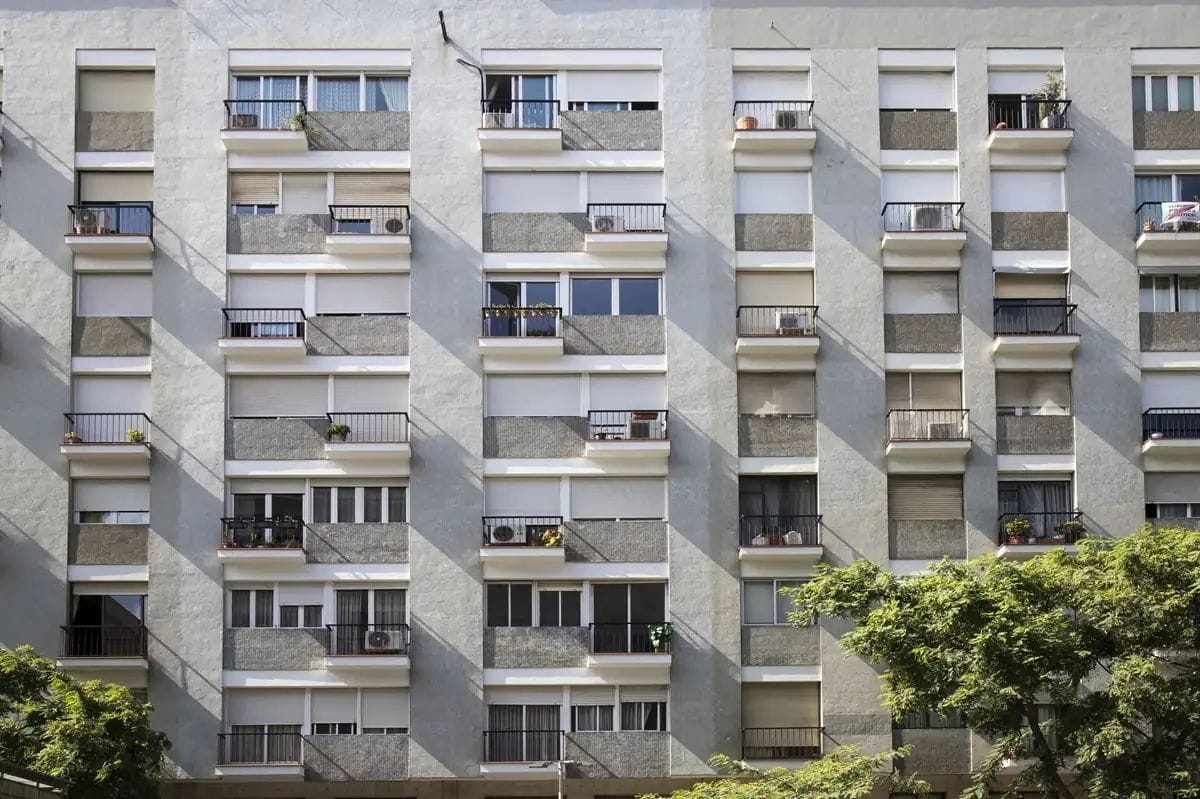
According to the latest data, the average price in Spain stands at 15 euros per square metre, 5.2% more than a year ago. However, Barcelona has recorded a fall of 7.6%, joined by Tarragona with a slight decline of 0.4%. It is the only exception on a map where cities such as Madrid and Valencia continue to set record highs.
The adjustment in Barcelona comes after years of extreme pressure. Even so, it remains among the most expensive cities, at around 22 euros per square metre. The difference now lies in the context: the application of price caps in stressed areas and new regulations has changed market behaviour, while supply is shifting towards temporary and tourist rentals.
In Tarragona, the movement is more moderate. Its less pressured market points to stabilisation, without the abrupt changes seen in the Catalan capital. Even so, the decline reinforces the idea that something is changing in Catalunya.
Outside this community, the dynamic remains intact. Madrid leads prices at 23.3 euros per square metre, and other capitals continue to post double-digit increases. The lack of supply and the difficulty of accessing home ownership continue to push demand towards rental housing.
The Catalan case is being closely analysed throughout the sector. The combination of public intervention and housing scarcity has generated a unique effect: prices are falling, but with the risk that available supply will also fall. Part of the market is already shifting towards less regulated arrangements.
Developments over the coming months will be key. If the trend becomes established, it could mark a turning point in access to housing. If not, the current decline could remain a one-off adjustment within a market that is still under pressure and shapes the daily lives of those trying to live in large cities.