
News
Campamento will leave the barracks behind with 10,700 homes and a new neighbourhood
Campamento is finally undergoing the transformation it has been waiting for over decades. The former military grounds in the Latina district will make way for a new neighbourhood with 10,700 homes, green spaces, shops, offices, and facilities, a project set to completely change this corner of the southwest of Madrid.
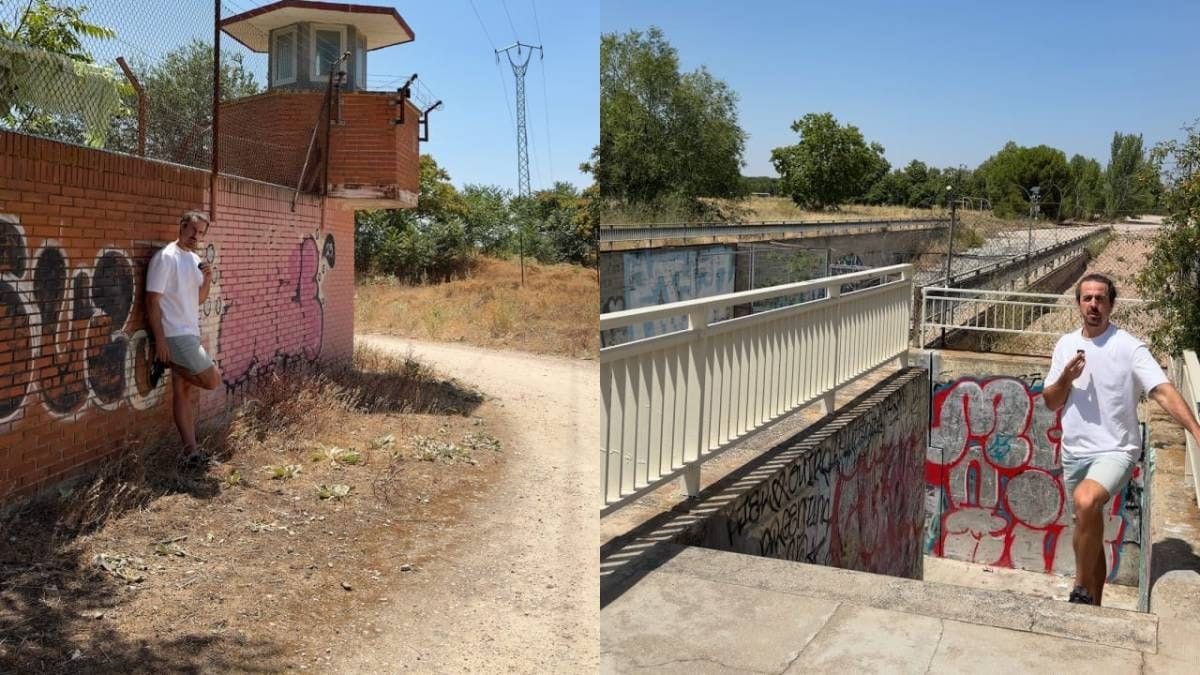
The urban development project received final approval in July 2026 and covers more than 2.1 million square metres. Of the 10,700 homes planned, 7,000 will have some form of regulated housing status: 3,800 will be price-capped, 2,100 will be in the basic publicly protected housing category and 1,100 will be for rent. The other 3,700 will be open-market homes.
The change will be particularly visible because much of the area has been occupied for decades by military facilities and large enclosed plots. Where there is now land inaccessible to local residents, streets, homes and new routes will appear, aiming to connect Campamento with the rest of Latina and reduce the sense of isolation left by infrastructure such as the A-5 and M-40.
It will not all be residential blocks. The plan sets aside space for 22 green areas, more than 8,000 trees, community facilities, shops and offices. Development will take place in three phases and will require investment of more than 383 million euros before the new neighbourhood reaches its final form.
Operación Campamento has a particularly long history. The first attempts to transform the military land date back to 1989, and for more than three decades a succession of agreements, announcements and projects never fully materialised. The first works linked to the new development began in January 2026, and this summer another of the major planning procedures has been completed.
The transformation will also arrive while the entrance to Madrid along the A-5 itself is changing. Moving this road underground and the future Paseo Verde del Suroeste aim to reduce a barrier that has separated neighbourhoods for years and shaped pedestrian journeys between Latina, Casa de Campo and the areas on the other side of the dual carriageway.
For those who already live in Campamento, the arrival of thousands of new neighbours will inevitably change everyday routines. There will be more demand for schools, health centres, transport and shops, but also streets and public spaces on land that until now was outside the neighbourhood's everyday life.
The landscape that gave Campamento its name is thus close to disappearing for good. For generations it was defined by barracks, military facilities and vast enclosed areas; the next chapter will be that of a much more populous and connected neighbourhood. After 35 years of postponed projects, cranes are beginning to turn that promise into a visible transformation of south-west Madrid.