
News
Traffic chaos and free buses mark the start of MWC 2026 in Barcelona
The start of MWC 2026 has gridlocked access to Barcelona. Long tailbacks have complicated mobility since the early morning. A special free bus service is trying to ease congestion. Thousands of attendees are seeking alternatives to reach Fira Gran Via.
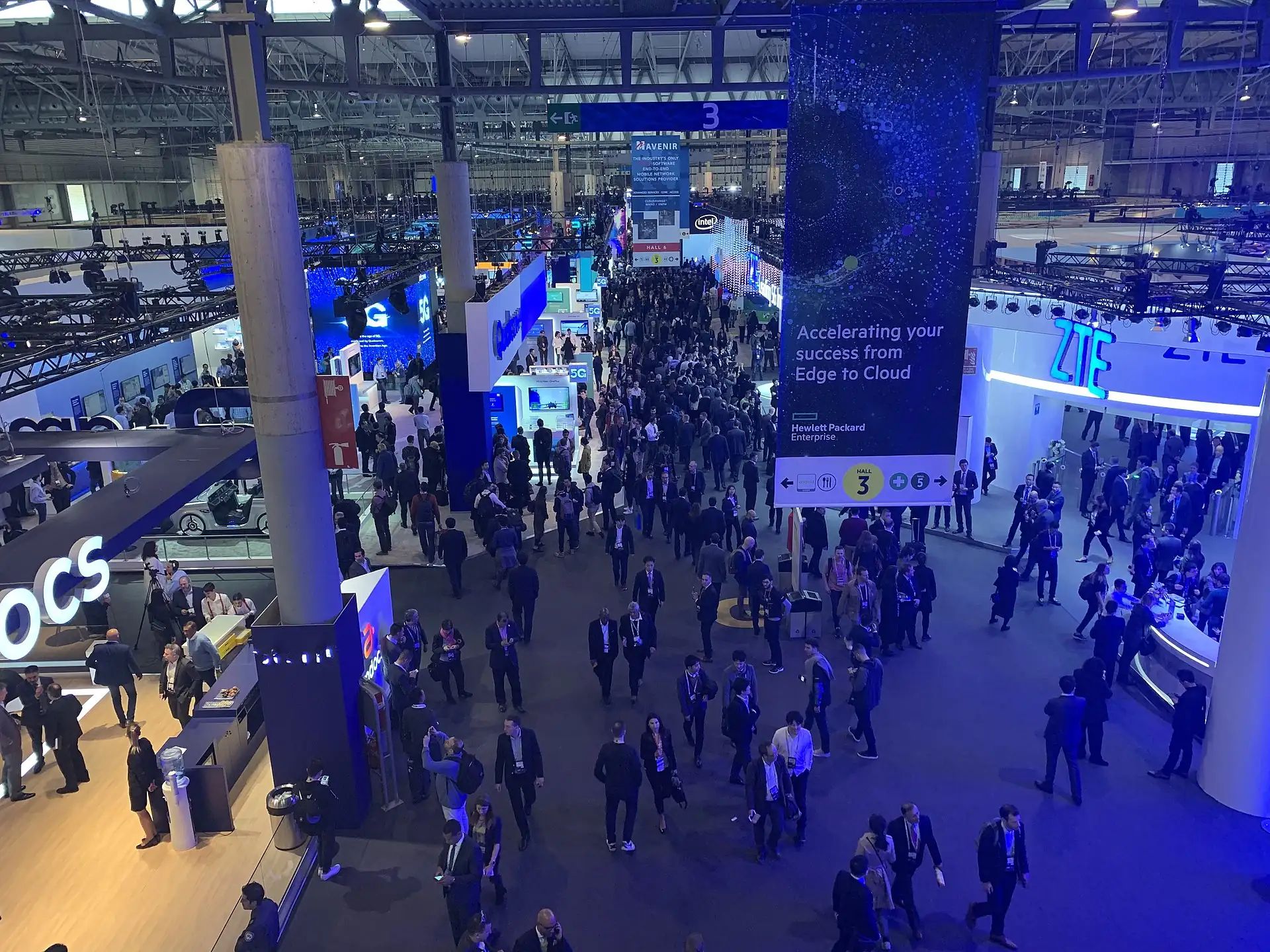
The start of MWC 2026 has brought Barcelona's access routes to a standstill. Long tailbacks have complicated mobility since early morning. A special free bus service is trying to ease the congestion. Thousands of attendees are seeking alternatives to reach Fira Gran Via.
The first day of Mobile World Congress 2026 has turned mobility in Barcelona into a genuine challenge for those trying to enter the city. Since dawn, the main road access routes have suffered kilometre-long traffic jams, affecting both regular drivers and the thousands of delegates arriving for the year's most anticipated technology event.
The B-23 has become a bottleneck between El Papiol and Sant Feliu de Llobregat, with congestion extending as far as Esplugues. The A-2 has offered no relief either, with queues building between Pallejà and Sant Joan Despí. Other roads such as the C-32 from Gavà, the C-31 towards El Prat and the B-20 at Santa Coloma have added further complications to a morning marked by impatience and uncertainty.
After the rush hour, the Ronda Litoral (B-10) remained saturated towards Fira Gran Via de L’Hospitalet, the congress's epicentre. Even at 10:30, traffic was barely moving along the 10 kilometres separating Santa Coloma de Gramenet from Barceloneta, in the Llobregat direction, making clear the event's impact on the urban routine.
To try to relieve the pressure, Ayuntamiento y Transports Metropolitans de Barcelona have activated a special free shuttle bus service. It links Plaça d'Espanya with the halls of Fira Gran Via, operating during the key days of the congress at frequencies of between five and six minutes, and on the final day at slightly longer intervals. The measure seeks to make access easier for attendees and reduce dependence on private vehicles during a particularly difficult week.
In addition, metro line L9 Sud has reinforced its frequency between Collblanc and Fira at the busiest times, allowing quick connections both to the exhibition venue and the airport. L10 Sud is also presented as an alternative, with Foc station only a six-minute walk from the venue's north entrance. On the surface, regular lines H12, V1, 46 and 65 offer stops near Plaza de Europa and Gran Via, adding options for those seeking to avoid the traffic chaos.
Fira Gran Via, the usual home of Mobile World Congress, has established itself as one of Europe's most modern and versatile exhibition venues. Its strategic location in L’Hospitalet de Llobregat and its excellent connection to public transport make it the epicentre of major international events. Every year, the arrival of thousands of visitors transforms the urban dynamic and tests the city's capacity to adapt, which responds with specific mobility solutions to minimise the impact on Barcelonans' daily lives.