
News
Fires force almost 90,000 residents to evacuate or remain confined
Fires in Madrid, Ávila and Toledo have forced almost 90,000 people to leave their homes or remain confined since Thursday. The emergency has completely changed the routine in dozens of municipalities, with roads closed, housing developments evacuated and families awaiting an order allowing them to return.
On Sunday afternoon, the tally put the number of evacuees at 59,896 and the number confined at 29,867. In towns such as San Martín de Valdeiglesias, the authorities chose to evacuate the most exposed housing developments and keep residents in the town centre inside their homes.
Smoke has been one of the main reasons for ordering people to remain indoors. Alerts sent through ES-Alert asked people to close doors and windows and cover possible air inlets with damp towels, a particularly important precaution for older people, children and people with respiratory problems.
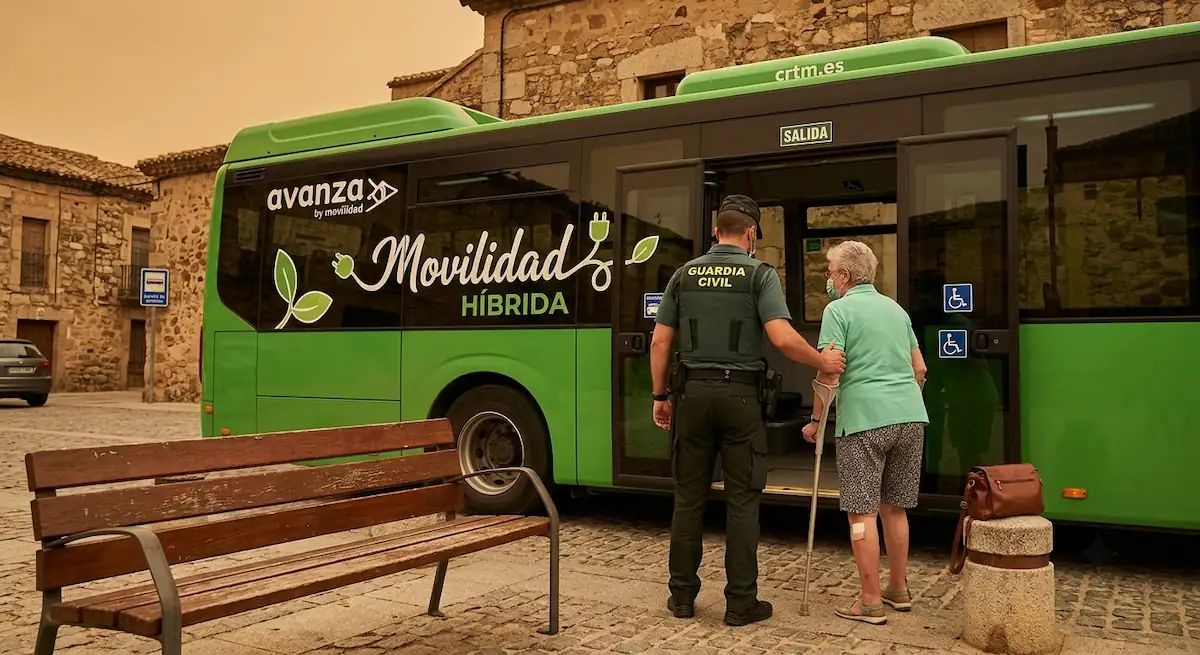
The Guardia Civil, the Military Emergencies Unit and regional services have organised transfers on buses from the Regional Transport Consortium. Many residents left with a bag packed in haste and were taken to sports centres, public facilities or accommodation in nearby municipalities.
In the Community of Madrid, 15 reception points were set up and assisted around 2,500 people. The Villamanta sports centre received, among others, residents of Aldea del Fresno, who spent the night among mattresses, bunk beds and makeshift areas for rest.
The support network also extended to food and day-to-day assistance. Volunteers, municipal workers and organisations such as World Central Kitchen distributed hot food, while some families were able to return to their homes for a few minutes to collect medicines, clothes or tend to their animals.
Uncertainty about the condition of homes and fears of possible theft increased tension among some evacuees. The Guardia Civil clarified that several images circulated on social media showed authorised residents and not people who had entered other people's homes.
The first returns began when the Command Centre considered some places safe. The El Escorial campsite was able to reopen and several older people evacuated from San Martín de Valdeiglesias were permitted to return to their residences, although a large proportion of those affected were still waiting.
The scene leaves towns half empty, halls turned into dormitories and families counting the hours until they can get back their keys and their beds. The operation has prevented more serious personal harm, but the return will still depend on the fire, the wind and the safety of each road.