
News
Castelldefels and El Prat lead the rise in extreme heat until 2050
The coast south of Barcelona will be one of the areas in Spain where the number of heatwave days will rise most over the coming decades. Castelldefels, Vilanova i la Geltrú, El Prat de Llobregat and Gavà occupy the top positions in the national ranking drawn up from climate projections to 2050.
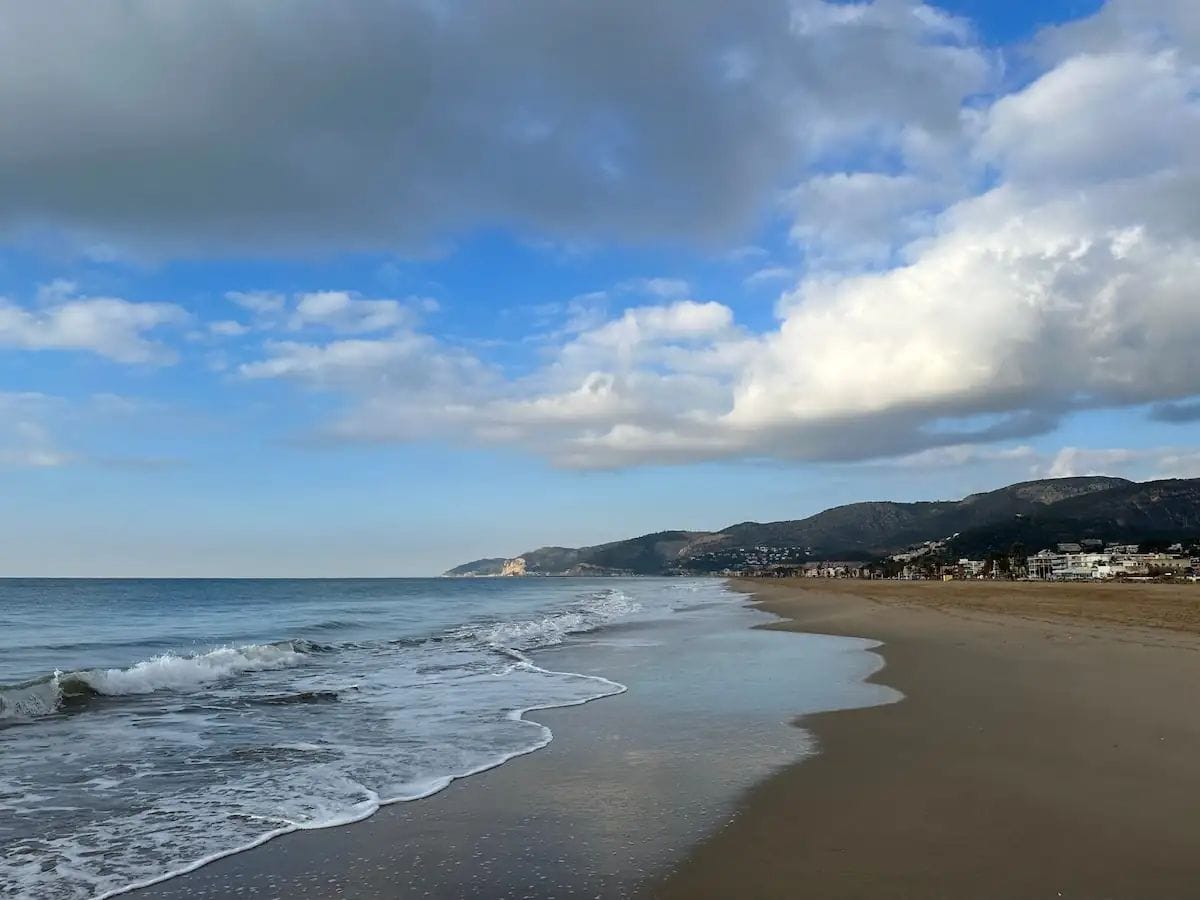
The difference compared with the year 2000 will be especially pronounced along this coastal strip. Castelldefels could gain around 80 more days affected by episodes of extreme heat, Vilanova i la Geltrú 73, El Prat 72 and Gavà 71. Viladecans also appears among the ten cities with the largest projected increase.
The pattern places Baix Llobregat and Garraf in a particularly exposed position. Barcelona appears further down, in 24th place among the 161 municipalities of more than 40,000 inhabitants analysed, while Badalona is 19th and Mataró 29th.
The projections come from the Atlas de Vulnerabilidad al Calor, developed by the urban laboratory trescientosmil together with the Barcelona Supercomputing Center. The tool uses up to 70 climate simulations and cross-references those data with factors such as housing quality, income, urban greenery and access to services.
Temperature, however, does not by itself explain who will suffer most. Another recent study places more than 905,000 inhabitants of the metropolitan area, around 27% of the population, in neighbourhoods where high exposure to heat and greater social vulnerability coincide.
These hot spots are concentrated mainly in two major metropolitan corridors. Along the Llobregat axis there are areas of L’Hospitalet, Cornellà, El Prat and Sant Boi; along the Besòs axis, neighbourhoods in Sant Adrià, Santa Coloma, Nou Barris and Badalona. Old buildings, little shade and fewer economic resources amplify the impact of every episode there.
Everyday life will have to adapt to this new frequency. Homes that take longer to cool down, nights with poorer sleep, greater demand for air conditioning and more pressure on swimming pools, libraries and climate shelters will become increasingly less exceptional scenes during the warmer months.
The map reveals a paradox for the Barcelona area: some coastal municipalities traditionally chosen for an escape in search of air and beach will be precisely among those gaining the most extreme days by 2050. The difference between coping with them better or worse will depend increasingly on shade in the streets, insulation in homes and each neighbourhood's ability to provide places to cool down.