
News
Catalonia brings back compulsory reading in upper secondary school and strengthens traditional classes
The Generalitat will once again require compulsory reading in upper secondary school starting in the 2027-2028 academic year. The rise of artificial intelligence and digitalisation in classrooms has prompted the return of classic subjects such as calligraphy, reading aloud, and debates.
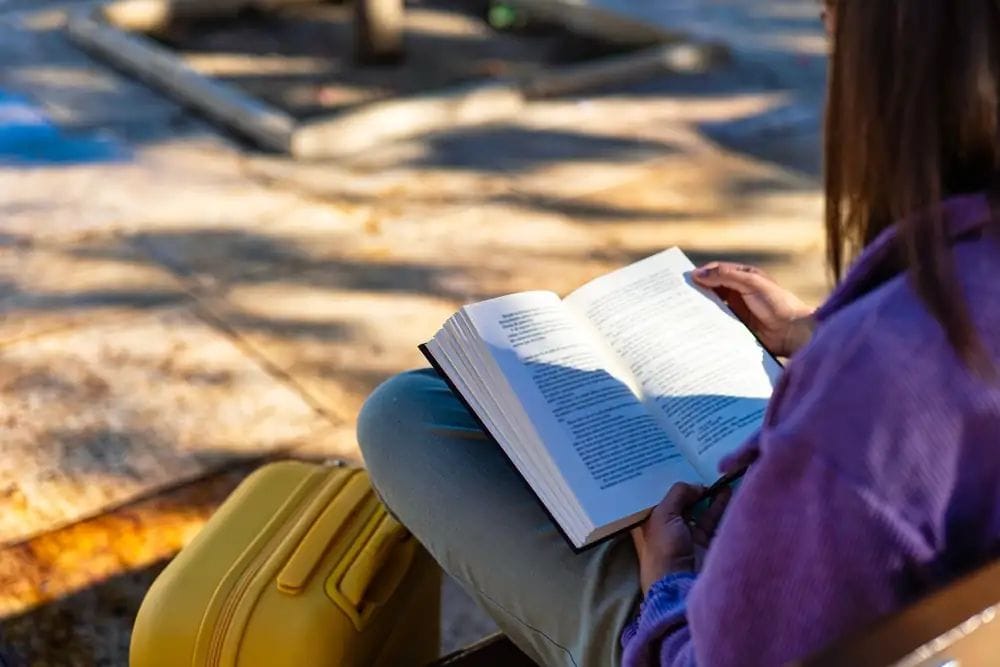
Who thought that calligraphy and reading aloud were things of the past? Catalonia has made an unexpected move, announcing that compulsory reading will once again be an essential part of the baccalaureate from the 2027-2028 academic year, after a two-year absence.
The decision isn’t about nostalgia, but a direct response to the growing use of artificial intelligence and digital tools among students. The Generalitat aims to curb technological dependence and restore the importance of traditional skills in the classroom.
Compulsory reading only in the baccalaureate
The most visible change will be in the baccalaureate, where students will once again have to tackle a list of officially selected books. In contrast, in primary and secondary education, each school will be free to choose the works it considers most suitable for its students.
The measure seeks to balance schools’ autonomy with the need to guarantee a common literary foundation in the pre-university stage. The specific titles have not yet been announced, but the return of the official list marks a turning point in recent Catalan education policy.
Beyond books: calligraphy, debates, and mental arithmetic
The return of compulsory reading doesn’t come alone. The plan also includes strengthening subjects many thought were relegated to childhood memories: calligraphy, reading aloud, mental arithmetic, and oral debates. The aim is clear: to reinforce skills that technology cannot easily replace.
This focus on traditional skills comes at a time when digitalisation has transformed the way people learn and teach. The Generalitat considers it urgent to recover manual and communication skills that, according to the official assessment, have been affected by intensive use of digital tools and artificial intelligence.
Why now? The role of artificial intelligence in the classroom
The trigger for this return to the classics has been the increasingly widespread use of artificial intelligence by students. The Catalan education authorities have observed that easy access to automatic summaries, instant corrections, and AI-generated answers is weakening young people’s ability to analyse, speak, and write by hand.
In this sense, the Generalitat is following a trend already seen elsewhere, where technology is forcing a rethink of which skills should be protected and promoted in schools. It’s not the first time an educational decision has sought to adapt to technological change: in sport, for example, the return of Catalan teams to European competitions has also led to adjustments and new strategies, as recently reported.
A return that makes a statement
The return of compulsory reading and the strengthening of subjects like calligraphy is not just a matter of curriculum: it’s a statement of intent about the kind of education Catalonia wants for the coming years. Faced with the digital onslaught, the Generalitat is seeking to restore the balance between technology and human skills. If the trend takes hold, it wouldn’t be surprising if other regions follow suit and review the role of classical subjects in their own education systems.