
News
Catalonia backs wine tourism to reactivate the wine sector
Catalonia wants wine tourism to help reactivate a wine sector going through a delicate time. With traditional consumption declining, wineries, government and tourism agents increasingly look to visits, tastings, routes and experiences as a way to add income and bring the product to new audiences.
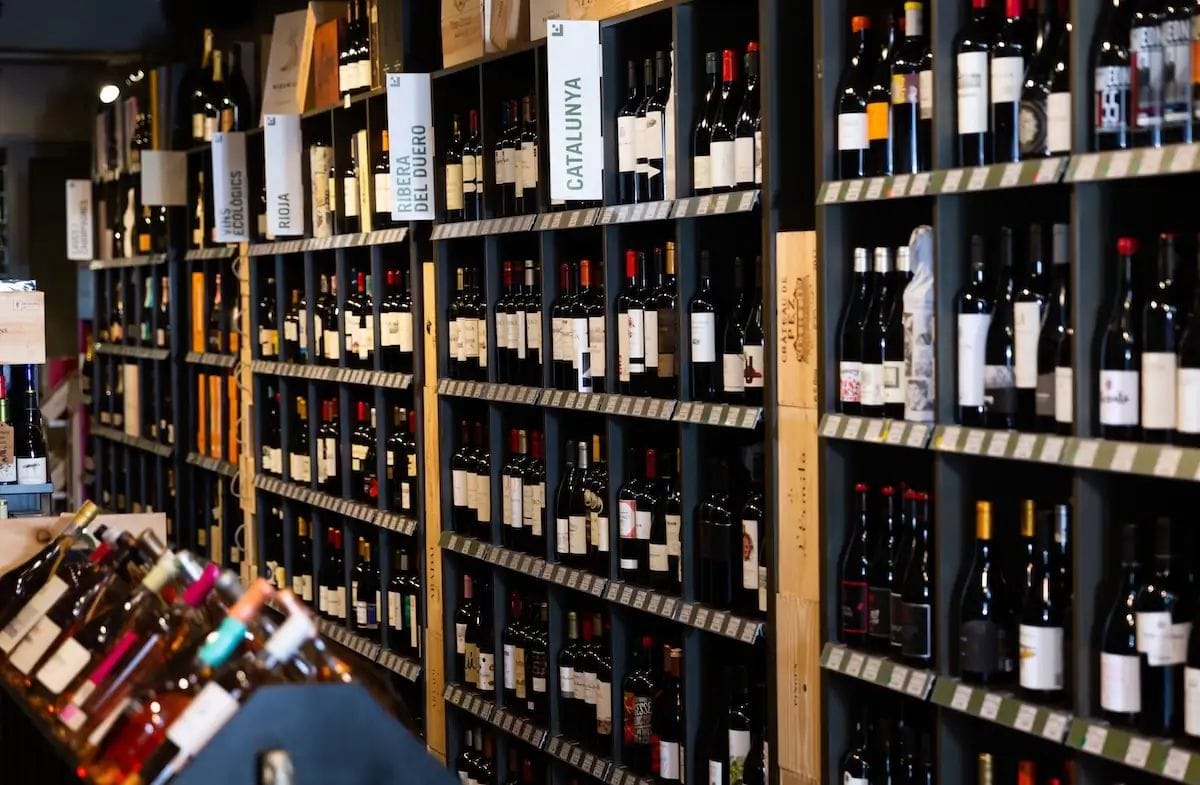
The idea is gaining strength because wine is no longer sold only in a bottle. For many wineries, receiving visitors has become an important part of the business: it makes it possible to explain the territory, build customer loyalty, sell directly and add value to brands competing in an increasingly difficult market.
The Catalan Tourist Board argues that experiences linked to the world of wine are growing while consumption is declining. That difference opens up a clear opportunity for Catalan wine-producing areas, from Penedès to Priorat, Empordà, Alella, Costers del Segre and Terra Alta.
The aim is not only to attract more visitors, but to spread them more evenly throughout the year. Wine tourism can help reduce seasonality, with weekend getaways, gastronomic routes, vineyard visits, cultural activities and landscape-related offerings beyond the summer.
Barcelona emerges as a key part of that strategy. The city concentrates international visitors, transport connections and a very powerful tourism brand. The challenge is to turn part of that flow into trips to wineries and territories where wine can work as a cultural, gastronomic and rural experience.
The sector is also seeking to attract a visitor profile more interested in local products, sustainability and nearby experiences. It is not just about holding a tasting, but about understanding how vineyards are worked, what impact the climate has, how the landscape changes and what role designations of origin play.
The commitment comes at a time of strain for many wineries, affected by falling sales, changes in consumption habits and pressure from drought in some producing areas. Wine tourism does not solve all those problems, but it can open up a source of income less dependent on the traditional channel.
The movement has a broader interpretation: turning wine into a gateway to the territory. For visitors, it means that a getaway from Barcelona can be more than a visit to a winery; it can connect landscape, gastronomy, local culture and a different way of understanding the country.