
News
The AP-7 introduces a system that detects violations without stopping vehicles
The AP-7 has begun monitoring heavy traffic with technology that can detect violations without stopping vehicles. The new system checks trucks and buses while they are on the move, a measure designed to improve road safety on one of the busiest motorways in Catalunya.
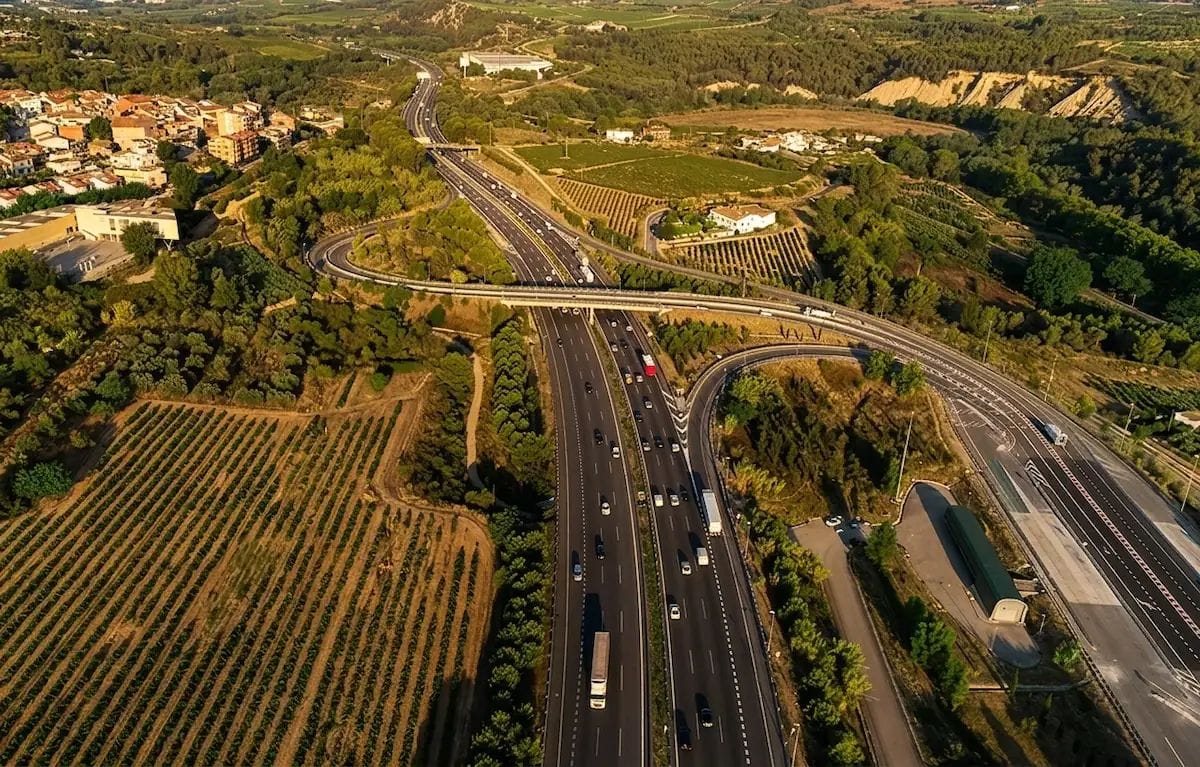
The network incorporates eight checkpoints located at former motorway toll booths. From these now converted spaces, it is possible to check in real time whether a heavy vehicle is travelling without insurance, with an expired ITV inspection or with an excessive load.
The main novelty is that checks are carried out without forcing the vehicle to stop. This makes it possible to detect irregularities without creating additional tailbacks or interrupting traffic flow, something especially important on a road where any incident can cause queues several kilometres long.
The system already operates at some points on the AP-7 and will become established as a monitoring tool for professional transport. For car drivers, the effect may be less visible but relevant: fewer heavy vehicles in poor condition means less shared risk on the road.
The measure mainly affects lorries and buses, two types of vehicle that have a direct impact on safety when they travel with technical problems, irregular documentation or excessive loads. An expired ITV inspection, no insurance or overloading are not mere formalities: they can affect braking, stability and the response to an unforeseen event.
The AP-7 carries a very high volume of freight and passenger transport every day. Since the end of tolls, the motorway has gained even more traffic, becoming an essential corridor connecting Barcelona, Tarragona, Girona, the Mediterranean coast and the border with France.
This increase in traffic has made it necessary to seek faster, less invasive forms of control. Stopping lorries one by one can be effective, but it also creates waits, diversions and complications. With this smart network, monitoring is integrated into the infrastructure itself.
The system also allows authorities to act more selectively. Instead of random checks or mass stops, the data help identify specific vehicles that may be breaching regulations and require a more detailed inspection.
For professional transport, the message is clear: travelling on the AP-7 will become increasingly difficult if the basic safety requirements are not met. Technology reduces the scope for vehicles without proper documentation or with loads above the permitted limit to go unnoticed.
The motorway thus enters a new stage after the end of the toll barriers. The former collection points are starting to have another use: they do not serve to stop traffic, but to monitor it better. On a road as busy as the AP-7, that difference may be felt in safety, traffic flow and the way increasingly intense mobility is managed.