
News
Catalonia begins restoring secondary-school dining halls dismantled more than a decade ago
Catalonia is preparing to repair one of the deepest rifts left by the 2012 cuts: the disappearance of school dining halls in compulsory secondary education.
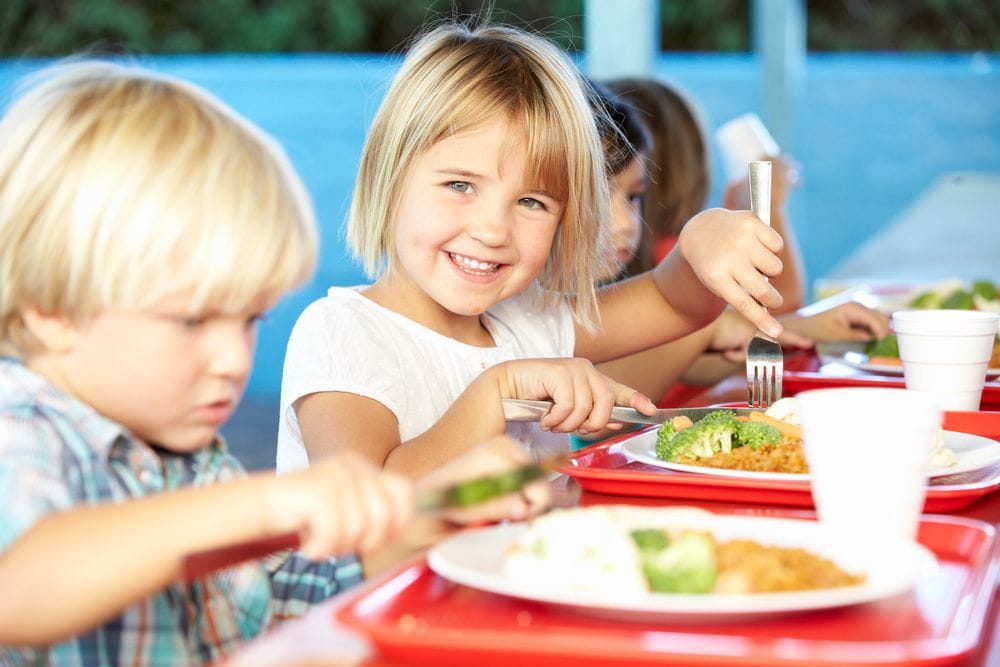
The Government will announce before the end of the year the restoration of the service in 15 secondary schools of high and maximum complexity, a move long demanded by families, social organisations and parties that see the school canteen as a crucial element of equity. The commitment forms part of the budget agreement between the Government and the Comuns, which allocated 5 million euros in 2025 and envisaged raising the figure to 15 million in 2026. The aim is clear: to curb child poverty through a basic but decisive policy — guaranteeing one healthy meal a day in the centres where vulnerability is most concentrated.
The absence of a canteen in secondary education has had direct effects: without the service, there is no school-meal grant, leaving thousands of vulnerable students each year without a resource they did have in primary education. The situation has persisted since the intensive school day introduced by the Govern de Artur Mas led to the mass closure of kitchens and canteens in ESO. Only the city of Barcelona retained the service.
The restoration is presented as a first step towards a larger demand: moving towards universal free school meals, as set out in the investiture pact between the PSC and the Comuns.
The context allows no delay: one in three minors in Catalunya lives at risk of exclusion, according to the latest report by the Plataforma d’Infància (PINCat). Organisations are demanding urgent, structural action to protect basic rights.
Reopening canteens is not intended only to ensure food. It also seeks to prevent thousands of 12-year-old adolescents from eating alone at home — a scenario associated with poor eating habits, isolation, excessive screen use and a greater risk of eating disorders.
The Comuns expect to meet with the Government to assess compliance with the agreement before starting the 2026 budget negotiations. But this time, with the announcement of the first measures, at least one historic demand is beginning to move from paper into the corridors of secondary schools.