
News
Catalonia wants to double Rodalies users and reach one million a day
Catalonia has set an ambitious target for Rodalies: to reach one million daily passengers in 2040. The figure means more than doubling current users, at around 455,000 a day, and requires the network to be rethought as a central part of metropolitan and regional mobility.
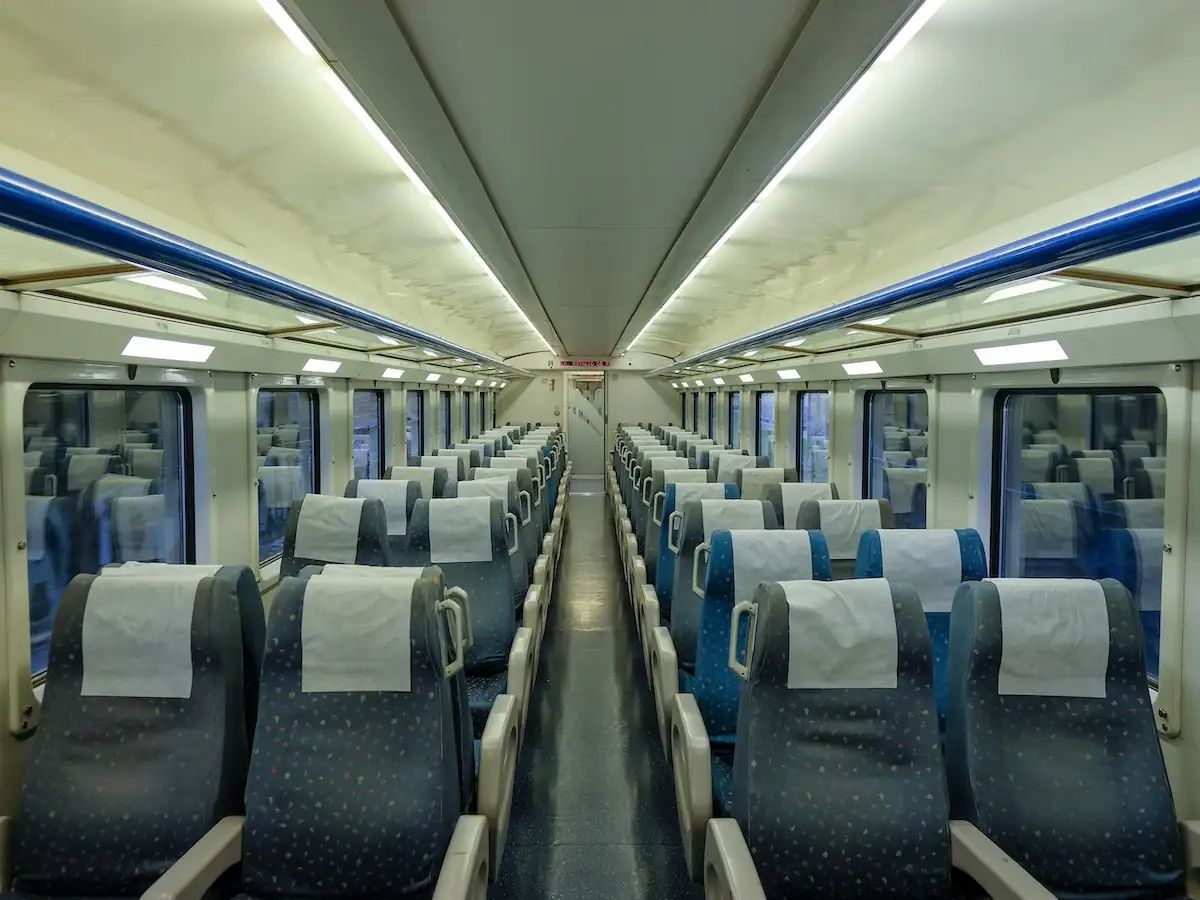
The Generalitat has presented the 2030-2040 Railway Services Plan with one main idea: for trains to take on a greater role than cars in everyday journeys. To achieve this, the document proposes doubling the number of train services and improving frequencies on every line.
The challenge is considerable. Rodalies has endured years of incidents, delays, works, disruptions and a loss of trust among many users. Any growth plan will first have to convince those who already use the service every day and have experienced the network’s accumulated problems.
The commitment involves increasing capacity, organising timetables better and offering a more reliable network. It is not only about putting more trains on paper, but about ensuring that they arrive regularly, connect municipalities better and allow people to plan their day without relying on luck.
The target of one million daily passengers is aimed especially at journeys to Barcelona and its metropolitan area, but also at regional connections. For many medium-sized cities, a stronger Rodalies could mean less dependence on cars, less pressure on the approaches to Barcelona and more options for studying, working or accessing services.
The plan comes at a delicate time for the Catalan rail system. In recent months, Rodalies has continued to be marked by punctuality problems and by the impact of works and incidents on different lines, a situation that has pushed some users towards other means of transport.
That is why the leap to 2040 will have to be measured both in headline figures and in concrete changes: less waiting on platforms, better connections between lines, better-prepared stations and clearer information when there are incidents.
The transformation will also be tied to investment in infrastructure, rolling stock and service management. Without enough trains, renewed tracks and the capacity to absorb greater demand, the increase in users may become a difficult promise to sustain.
Rodalies already exceeds 127 million annual passengers in Catalunya, according to the latest complete data published by the service. Demand exists, but the system needs to become more regular for more people to see it as a real alternative to the car in their daily journeys.
The 2040 horizon may seem distant, but decisions will have to begin much earlier. Frequency improvements, new services and coordination with the metro, bus, tram and bicycles will be key if the train is to work as an everyday network rather than merely an option for those who have no alternative.
For users, the plan comes down to one simple question: whether in a few years they will be able to arrive earlier, with less waiting and less uncertainty. If Rodalies wants to go from 455,000 daily passengers to one million, it will have to offer more than capacity: it will have to regain trust.
Catalunya has an important part of its future mobility at stake in this plan. A more frequent and reliable Rodalies could change the relationship between Barcelona, the metropolitan area and many cities across the territory. But success will depend not only on announcements, but on trains becoming a convenient, punctual and credible everyday option again.