
News
Chile offers Spanish companies a tax cut to attract investment
At the Conferencia Internacional de Banca 2026, José Antonio Kast announced a reduction in the corporate tax rate from 27% to 23% and up to 20 years of tax stability for major investments. He also forecasts an 8.1% increase in investment in 2027.
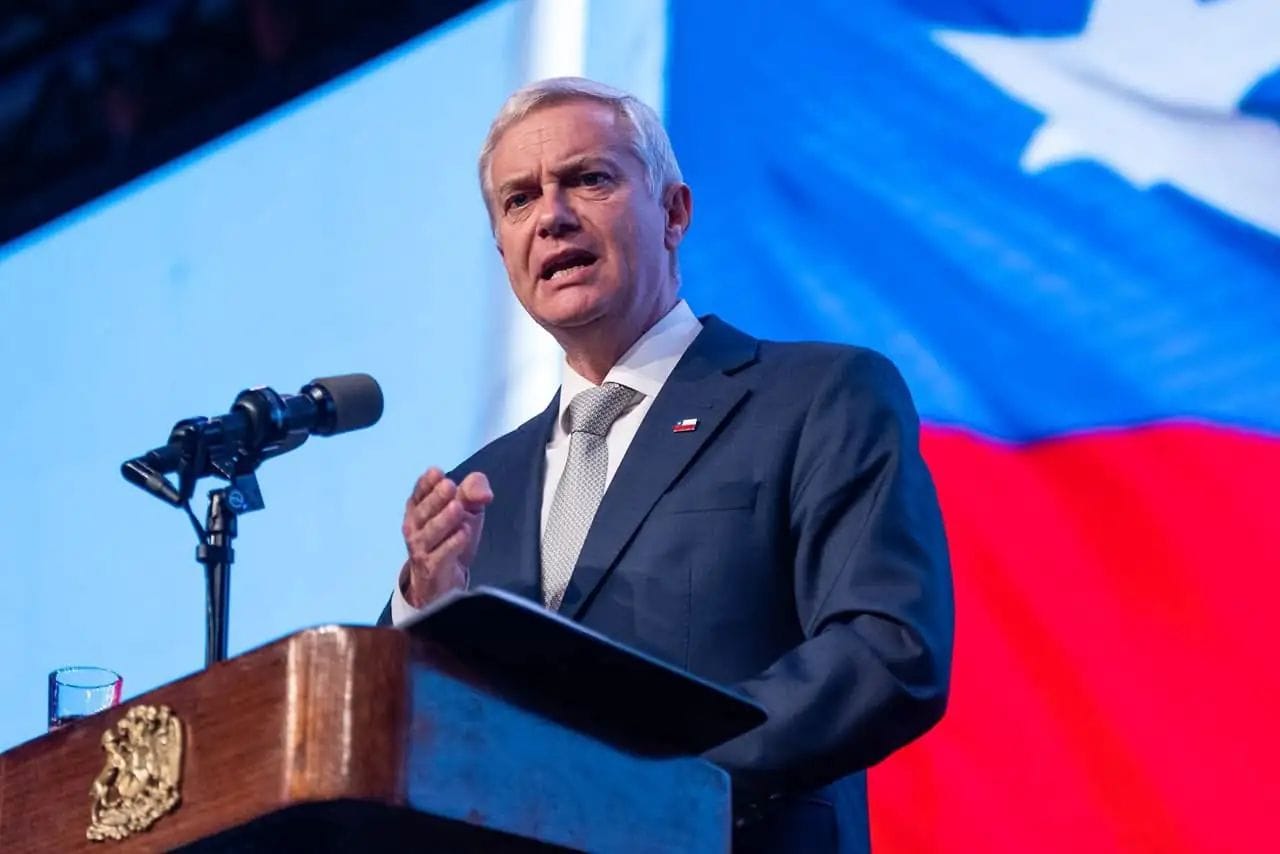
According to José Antonio Kast, obtaining permits for some major projects could take up to 12 years. The Chilean president has presented the reduction of these timeframes as part of his strategy to attract investment.
At the Conferencia Internacional de Banca 2026, Kast invited Spanish companies to expand their activities in Chile. He pointed out opportunities in renewables, mining, infrastructure, the digital economy, and agri-food production, highlighting the experience these companies have already gained in the country.
Political relations with Spain also put Kast on the Madrid agenda: he was among the presidents whose attendance had been announced for the Cumbre Iberoamericana.
Tax cuts and stability for major projects
The president announced his intention to reduce the corporate tax rate from 27% to 23%. He also proposed that large investments could benefit from a tax invariability regime for up to 20 years, arguing that this would provide stability for long-term projects.
His fiscal agenda includes another measure: people over 65 would not pay property tax on their primary residence. Kast linked these proposals to his commitment to maintaining sound public finances.
Figures distinguish between approved projects and those under review
Kast forecast an 8.1% increase in investment for 2027. Since March, he stated, approved projects have totalled almost 37 billion dollars. Others worth nearly 40 billion have entered environmental assessment.
For the next five years, he mentioned investment announcements exceeding 95 billion dollars. These are amounts corresponding to different stages and timeframes, according to the president’s summary.
Energy and mining among priority sectors
According to Kast, Chile has solar radiation in the north and wind resources in the south. He pointed to needs in electricity transmission and storage, as well as hydrogen development, and cited Spanish experience in renewables.
In mining, he recalled that Chile is the world’s leading copper producer and one of the main producers of lithium. To meet European needs related to the energy transition, he highlighted opportunities in engineering, suppliers, services, technology, and processing.
The infrastructure portfolio he described includes hospitals, motorways, tunnels, and urban transport. Kast acknowledged the historic involvement of Spanish companies in these areas and said his government is working on regulatory and payment issues.
Local suppliers and payment compliance
The invitation also comes with conditions for companies setting up in Chile. Kast asked them to integrate national suppliers into their value chains and contribute to worker training.
He also stressed the importance of respecting payment deadlines, especially given the impact delays can have on small and medium-sized enterprises. He called for building trust with the communities where projects are developed.
The president defended clear rules and respect for contracts as guarantees for investors. He also mentioned investment protection instruments, tax agreements, and the framework for relations with the European Union.
In the energy sector, the natural conditions he described range from solar radiation in the north to wind resources in the south. The agenda he presented includes strengthening electricity transmission and storage, as well as hydrogen development. Kast specifically highlighted Spanish experience in renewables.