
News
Hundreds of kilos of bitter oranges are turned into solidarity jam in Barcelona
Barcelona turns the gathering of bitter oranges into an educational and social experience. Dozens of students take part in collecting them in urban parks. The fruit is made into jam for employment-inclusion projects. The city is committed to sustainability and making use of food.
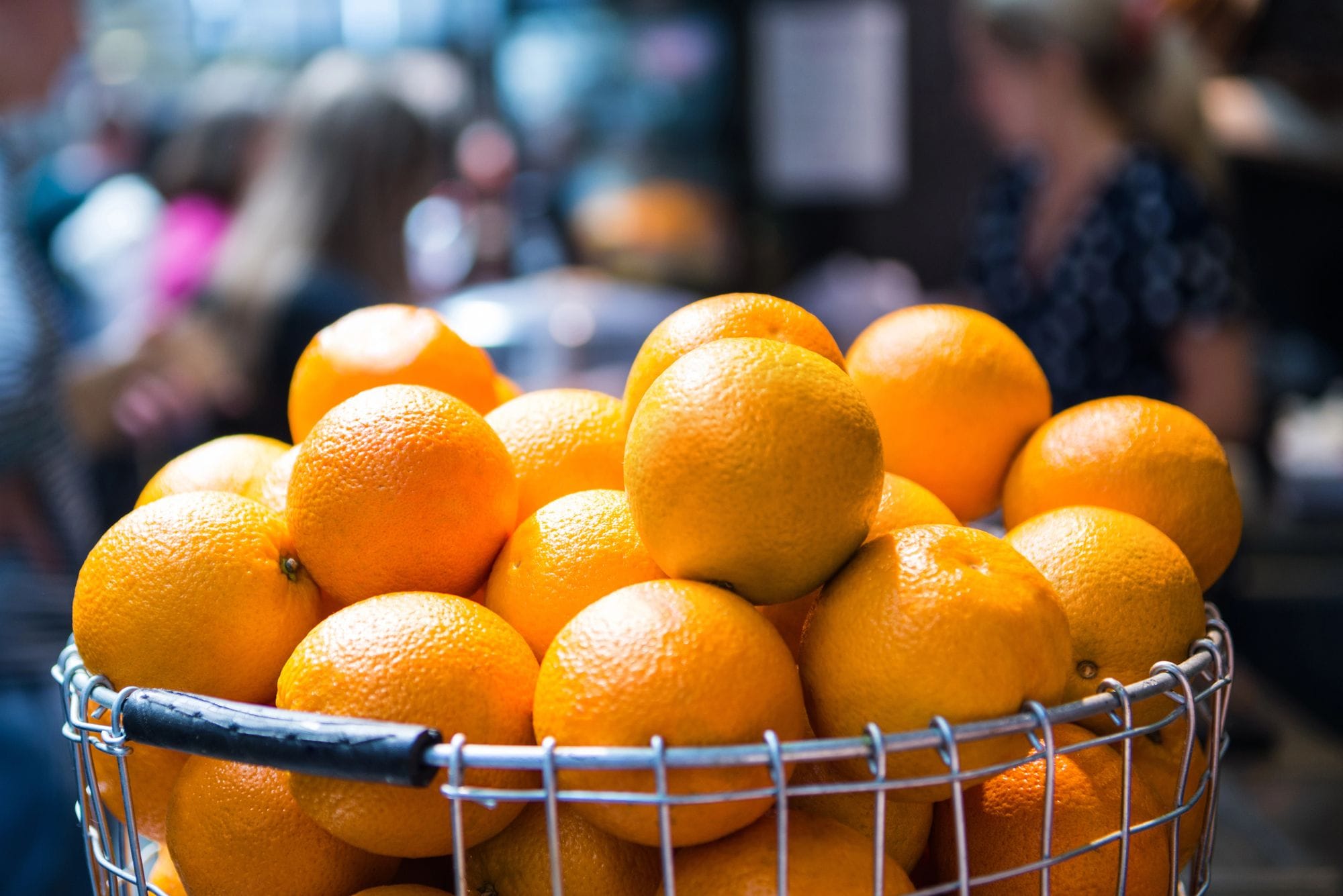
Barcelona turns the harvesting of bitter oranges into an educational and social experience. Dozens of students take part in collecting them in urban parks. The fruit is turned into jam for employment-integration projects. The city is committed to sustainability and making use of food.
In Barcelona, the bitter orange season no longer goes unnoticed. What was once simply fruit fallen on the pavements now becomes an opportunity for residents and students to experience the city in another way. This week, sixty young people from Instituto Verdaguer have swapped classrooms for Ciutadella Park to collect bitter oranges, in an activity that brings together ecological awareness, social action and practical learning.
The scene is lively: stacked boxes, hooks in hand and black vests; the students walk around the park for an hour, filling boxes with kilos of fruit which, far from ending up in the rubbish, will have a very different destination. Between 6 and 11 February, the initiative extends across the districts of Ciutat Vella, Les Corts, Eixample, Gràcia, Horta-Guinardó, Sant Martí, Sant Andreu and, for the first time, Sarrià – Sant Gervasi. Collection is open to anyone who wishes to join.
The collected oranges are not eaten fresh. Their journey continues at EsImperfect, a workshop where people in vulnerable situations find work and training by turning these citrus fruits into jams and pâtés. The resulting products reach social organisations and community dining halls, thus closing a circle of use and solidarity.
Before starting, the organisers explain how to use the hooks without damaging the fruit and warn, amid laughter, that the taste of bitter orange is not usually liked by most people. The children spread out around the park, competing to fill their boxes, while the trees become increasingly empty.
The collection is part of the Mans al Verd programme, promoted by Parques y Jardines del Ayuntamiento. The aim is clear: to foster food and ecological awareness from an early age, involving citizens in caring for public spaces and fighting food waste. Participation is usually high, even with little publicity, and groups can exceed 70 people.
Each full box adds around 20 kilos of oranges. For the organisers, the activity not only cleans the streets and responds to residents’ complaints, but also teaches the value of food and the importance of sustainability. Workshops in schools reinforce this message, linking ecology, food and collective responsibility.
There are some 3,300 orange trees in Barcelona, most of them in districts such as Sant Andreu, where the initiative began in 2021. Every winter, the fruit falls to the ground if nobody collects it. Turning it into jam is a way of giving value to the everyday, creating social employment and strengthening the link between the city and its inhabitants.
The EsImperfect workshop, linked to Fundación Espigoladors, has established itself as a benchmark in transforming food that would otherwise be wasted. There, people at risk of social exclusion find an employment and training opportunity while contributing to the city’s circular economy. The products made have not only a social impact, but also reinforce Barcelona’s identity as a city committed to sustainability and social innovation.