
News
Five premises next to Park Güell close after a wave of infringements
The City Council has detected almost 400 irregularities in businesses near Park Güell. Penalties affect residents' and visitors' daily lives. Closures of premises for electrical and health reasons set a precedent. Municipal surveillance is intensifying in key tourist areas.
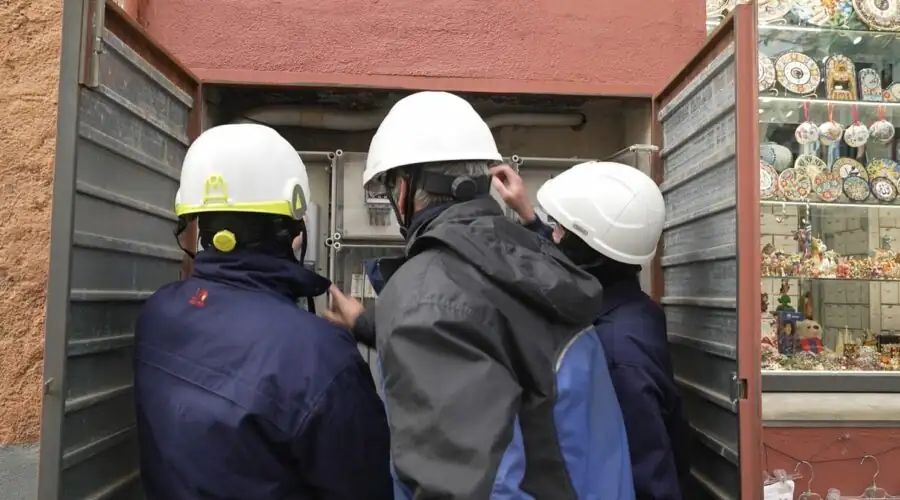
The City Council has detected almost 400 irregularities in businesses near Park Güell. The penalties affect the daily lives of residents and visitors. The closure of premises for electrical and health reasons sets a precedent. Municipal surveillance is being intensified in key tourist areas.
The routine of those who live or walk near Park Güell has been altered after a municipal inspection shook the area. Barcelona City Council has inspected around thirty establishments in the surroundings of the emblematic park and uncovered almost 400 infringements in just a few days.
The most frequent breaches directly affect the urban environment: 151 cases of non-compliance with planning and coexistence rules, which affect the image and everyday use of the neighbourhood. In addition, 125 infringements are related to licences, calling into question the legality of many commercial activities in one of the areas most frequented by tourists and residents.
The list of irregularities does not end there. Inspectors have also detected labour issues, health deficiencies, poor waste management and the sale of souvenirs outside the regulations. As an immediate consequence, five premises have been sealed: four for unauthorised electrical work and one more because of the presence of pests, which has forced them to close for public health reasons.
This municipal intervention not only seeks to protect the safety and wellbeing of those who frequent the area, but also sends a clear message about monitoring in Barcelona’s most emblematic tourist spots. Strengthening controls aims to ensure that commercial activity respects both regulations and neighbourhood coexistence.
Park Güell, one of Barcelona’s most visited places, is much more than a tourist attraction. Its immediate surroundings have undergone a transformation in recent years marked by tourism pressure and the proliferation of businesses geared towards visitors. This dynamic has generated tensions between economic activity and the everyday life of neighbouring districts, forcing authorities to intensify supervision and seek a balance between the park’s international appeal and local quality of life.