
News
How to choose your dermatologist in Barcelona
Choosing a dermatologist is not something you should do lightly. The skin is the body's largest organ and, besides influencing our health, directly affects how we look and how we feel. If you live in Barcelona or the surrounding area and need dermatological care, there are several factors you should consider before deciding who will treat your skin.
1. Training and specialisation
Not all doctors who treat skin problems are dermatologists. Make sure that the professional is accredited as a dermatologist by the Ministry of Health and has completed the official medical speciality in Medical-Surgical Dermatology and Venereology. This speciality requires years of specific training after a medical degree.
In addition, if your concern is cosmetic (acne, scars, blemishes, ageing) or medical (melanomas, psoriasis, atopic dermatitis), check whether the dermatologist specialises in that area. Some focus more on dermatological surgery, others on laser treatment, others on paediatric dermatology, etc.
2. Experience and professional track record
Experience matters, especially when it comes to complex diagnoses or procedures such as biopsies, laser treatments or surgical interventions. Check how long the dermatologist has been practising, where they have worked, and whether they have taken part in scientific publications, conferences or clinical studies. This will give you an idea of their level of up-to-dateness and depth in the field.
Barcelona has a high concentration of dermatologists with international experience. Some, such as the team at Clínica De Felipe, have worked in collaboration with leading centres and are at the forefront of innovative treatments. Without lapsing into promotion, it is useful to know who is setting the pace in the city.
3. Technology and available treatments
Dermatology is advancing rapidly thanks to technology. Fractional lasers, intense pulsed light (IPL), biological therapies, molecular analyses... Not all centres have the same resources. Before going, it is advisable to find out whether the clinic has access to modern equipment and whether the dermatologist is qualified to use it properly.
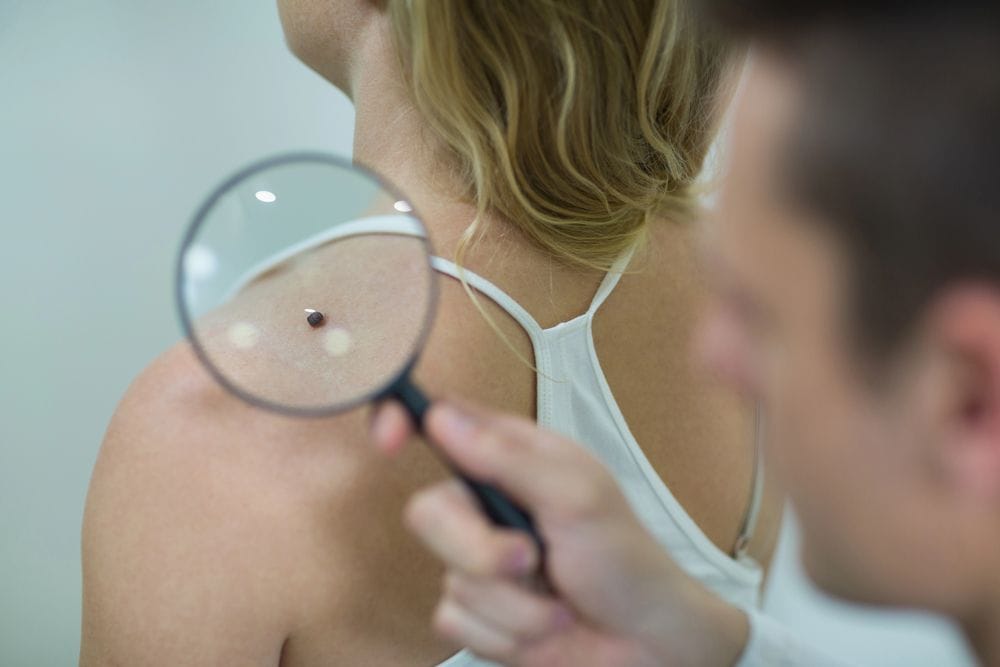
This is especially relevant if you are seeking cosmetic treatments or need imaging diagnosis for pigmented lesions. A centre with digital dermoscopy or body-mapping equipment will offer you more precise monitoring of moles and suspicious lesions.
4. Consultation time and patient focus
A good dermatologist not only has knowledge, but also devotes the necessary time to listening to and understanding your concerns. Notice whether the consultation is rushed or whether they clearly explain diagnoses, treatment options, risks and realistic expectations. The doctor-patient relationship is fundamental, especially for chronic illnesses or problems requiring long-term follow-up.
In cities such as Barcelona, where private and public healthcare coexist, you may encounter long waiting times at some centres. Consider whether the dermatologist offers personalised care or works in a very overstretched setting.
5. Reviews and reputation
Nowadays, many medical decisions go through Google, Doctoralia or social media. Other patients' opinions can offer a first impression, although they should not be the only criterion. Pay attention to recurring comments: if many people highlight professionalism, empathy or clarity in explanations, you are probably looking at a good specialist. But be wary of excessively enthusiastic or clearly sponsored reviews.