
News
How to manage unforeseen events during a trip
It must be acknowledged that thinking about an unforeseen event during a trip comes with an inevitable sense of stress, because although some journeys go exactly as planned, others force plans to be changed on the fly and there is nothing that can be done to avoid it. A flight cancelled by a storm, a suitcase that appears two days later or a booking that does not match what was contracted is enough for a holiday to take a different course.
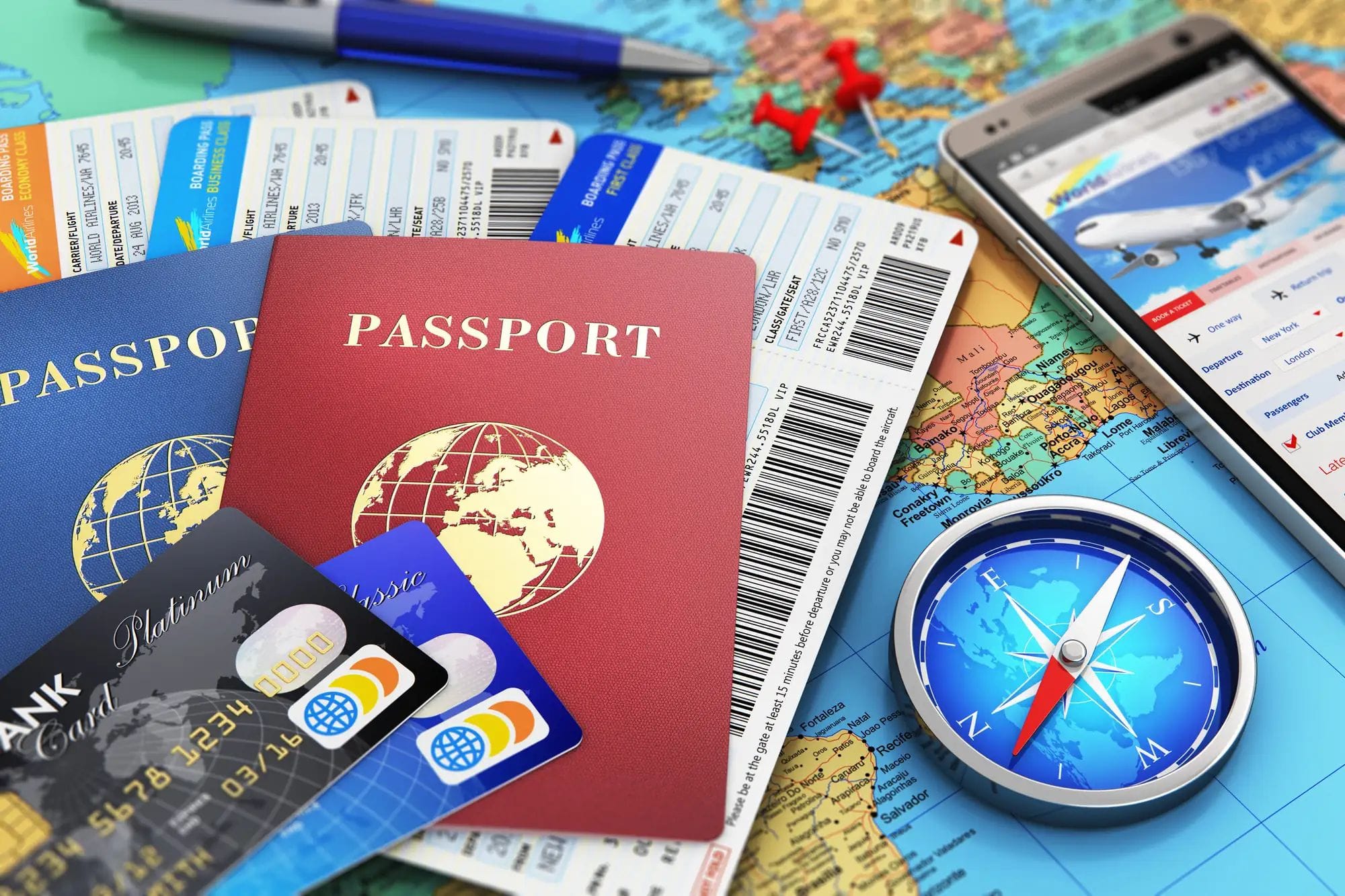
These are more common situations than they seem and, although frustrating, they rarely end up ruining a trip if one reacts calmly. Many setbacks are better resolved when certain details have been anticipated before leaving home and one knows what to do at the right moment.
Before packing
Many incidents cease to be a serious problem when preparation begins a few days before the trip. Saving a copy of the passport on a phone, emailing oneself accommodation reservations or noting down airline telephone numbers may seem minor, but these are details that can save the situation when something unexpected happens. It is also worth checking timetables a few hours before leaving for the airport. Some airlines change the boarding gate or bring the flight forward slightly, and finding out only at the terminal usually means unnecessary rushing.
If the trip includes stopovers or several journeys between cities, it is advisable to leave a reasonable margin between connections. Scheduling a train only half an hour after landing may work on paper, but a small delay is enough to derail the entire itinerary.
When something goes wrong
The first reaction is usually to look for an immediate solution, although that is not always the most effective one. At an airport, for example, it is worth checking the airline’s app first before joining a long queue at the desk. In many cases it is possible to change the flight from a mobile phone while other passengers wait their turn.
The same applies to luggage. If the suitcase does not appear on the belt, the important thing is to report the incident before leaving the baggage-collection area. Waiting until arriving at the hotel complicates the procedure and may delay the location of the luggage.
Problems with accommodation are also common. Sometimes the reserved room does not exist, the photographs bear little resemblance to reality or the establishment has made a mistake. Keeping the booking confirmation and taking photographs if there is a problem makes it easier to complain with stronger grounds.
When travelling outside Spain, travel insurance can make the difference, since a cancellation, medical emergency or lost luggage can generate expenses that are difficult to bear if they have to be resolved independently. According to a recent study by Staysure, many travellers consider unexpected timetable changes to be one of the greatest inconveniences when travelling and, let’s be honest, what traveller has not faced delays or last-minute timetable changes?
Leaving room for improvisation
Wanting to follow an itinerary to the letter usually creates more tension than satisfaction. Trips change constantly and, many times, they do so for the better.
Unexpected rain may force the cancellation of an excursion on the Amalfi Coast, but it may also become the perfect excuse to enter a small family trattoria where neighbourhood residents eat.
It also helps to allow time between one activity and another. Trying to visit five monuments in one morning leaves little room to stop at a local market, enter a bookshop or sit on a terrace simply to watch the day go by.
Unexpected events are part of every trip. Some are resolved in minutes; others require plans to change. The difference usually lies in preparation and the attitude with which they are faced. Keeping some flexibility and having the necessary information helps a setback remain a simple anecdote.