
News
How to prepare your car for winter in 7 simple steps
Most drivers check their car only when the first problem appears in winter, but preparing in advance prevents costly breakdowns and dangerous situations on the road. According to DGT data, 31% of road traffic fatalities occur in winter accidents (“El tiempo de los accidentes - Revista Tráfico y Seguridad Vial”), a figure that reflects how adverse weather conditions increase risks on the road.
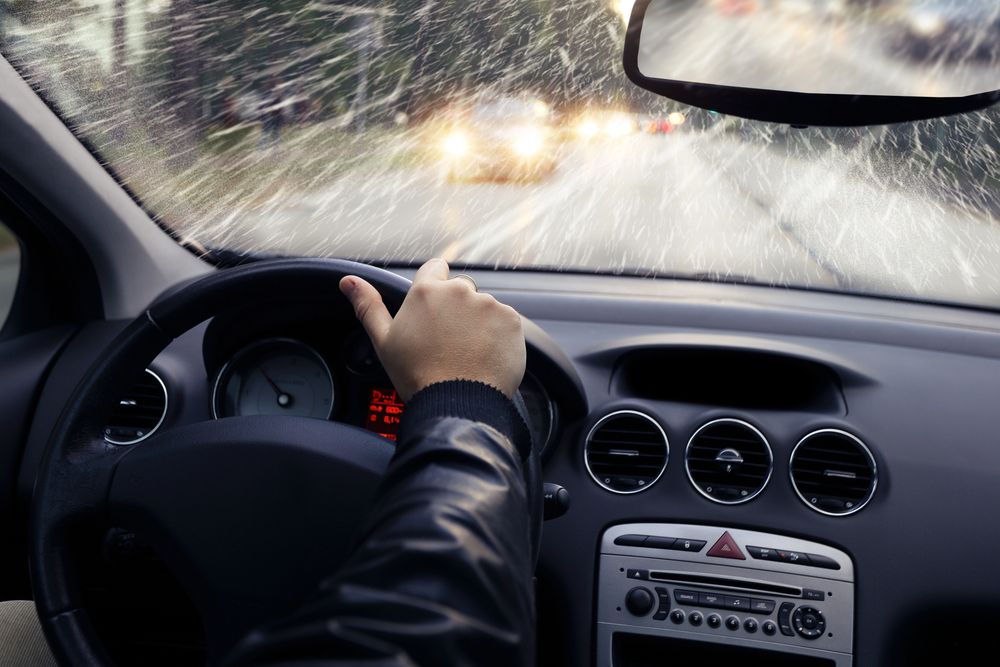
Preparing your vehicle before the cold weather arrives means checking critical elements such as the headlights, battery, tyres and cooling system. Clean headlights in good condition are essential for visibility on short days and in fog or heavy rain. The battery loses capacity at low temperatures, tyres need sufficient tread for grip on wet asphalt, and antifreeze fluid must be at suitable levels. A full inspection gives you peace of mind and safety throughout the winter season.
Why a winter inspection is essential
As AUTODOC experts explain: ‘Many defects that are imperceptible in summer become visible in winter because the vehicle operates in difficult weather conditions. To prevent any car system from breaking down at the most inconvenient moment, far from civilisation, it is advisable to have the car checked, preferably at a garage, before the cold weather arrives. In fact, you will feel reassured about your vehicle if all its units and assemblies work correctly, and if you have some simple but very useful accessories and tools.’
Winter conditions put every component of the vehicle to the test. Cold affects fluid viscosity, reduces battery capacity and makes greater demands on the lighting system because there is less natural light. In fact, almost 25% of roadside breakdowns during winter are related to battery failures. 4 tips to prevent your battery from breaking down, which makes this component one of the most critical to check before cold weather arrives.
Complete winter-preparation checklist
This table shows the essential steps for preparing your car before winter, with specific examples applied to the Seat Leon 2. Each step in this winter checklist helps keep your vehicle safe in cold, rainy and low-visibility conditions.
Complete winter inspection route
To make a complete inspection of your vehicle before winter easier, this visual guide shows every area of the car you need to inspect. From the front headlights to the rear lights, through the engine compartment and the tyres, every marked point represents a critical element particularly affected by low temperatures. By following this route step by step, you ensure that you do not forget any important component during your winter preparation. The visual layout helps you understand where each element is located under the bonnet and around the vehicle, which is especially useful if you do not have much mechanical experience. Each numbered area corresponds to a specific action you can carry out yourself in approximately 15 minutes.
FRONT. Turn on the lights and check that the headlights shine with uniform white intensity. Open the bonnet and check that the windscreen-washer fluid reservoir (blue or yellow cap) is full of antifreeze that withstands temperatures down to -20 °C.
UNDER THE BONNET — LEFT. Locate the battery and check that the cables are firmly attached, with no white powder indicating sulphation. The terminals should look clean and shiny.
UNDER THE BONNET — RIGHT. Find the coolant reservoir. The fluid should be brightly coloured (pink, green or orange) and reach the maximum level. If it looks cloudy brown, it needs urgent replacement.
RIGHT-HAND SIDE OF THE VEHICLE. Examine both tyres using a euro coin in the tread grooves. If the gold band remains visible, the tread is insufficient and you need new tyres.
REAR. Check the brake, position and indicator lights. All should come on with the same intensity.
LEFT-HAND SIDE OF THE VEHICLE. Repeat the tyre inspection using the coin method. Check the windscreen wipers: if you notice cracks or stiffness, they need replacing.
ROAD TEST. Drive in a quiet area and brake progressively from 40 km/h. The pedal should feel firm, and the car should brake in a straight line without metallic noises or vibrations.
This route ensures that all critical points are checked in approximately 15 minutes. If you detect any problem during the inspection, visit your trusted garage before the first frosts arrive.
The importance of headlights during winter
Ensuring that your car, such as the Seat Leon 2, is fitted with functioning headlights is essential for safe winter driving, especially in low-visibility conditions. RIDEX offers reliable automotive parts, including headlights, which are fundamental for winter preparation of the car. RIDEX headlights provide durable performance, making them an excellent option for maintaining your car’s visibility during the colder months.
Headlights must be completely clean and free of cracks. Even slight cloudiness significantly reduces light intensity. If you notice that the light seems weaker than usual, it is probably time to change the bulbs or the complete headlights. To find information about Seat Leon 2 headlights from RECAMBIOS COCHES and other spare-part options specific to your model, consult specialists who will help you choose suitable parts for your vehicle’s needs.
Additional practical advice
In addition to the main list, always carry jump leads, a thermal blanket, a torch and spare windscreen-washer fluid in the boot. These items can get you out of difficult situations when conditions worsen unexpectedly.
Winter preparation does not require major investment, but it does require attention to detail. A well-inspected car responds better, uses less fuel and protects you better in emergency situations. Set aside a morning for this full inspection and drive with peace of mind throughout the cold season.
Sources of information: Directorate-General for Traffic (DGT), AUTODOC, SERNAUTO, Continental Tyres Spain.
Frequently asked questions
Why is it so important to check the battery before winter?
The battery is one of the components most affected by the cold. Almost 25% of roadside breakdowns during winter are related to battery failures. Low temperatures slow internal chemical reactions, reducing its capacity by as much as 30–50%. At the same time, the engine needs more energy to start when cold because the oil becomes more viscous. That is why it is essential to check the terminals, clean off any whitish sulphation and ensure that the battery retains sufficient charge before the first frosts arrive.
How can I tell whether my tyres have sufficient tread for winter?
The simplest method is to use a one-euro coin. Insert the coin into the main tyre-tread grooves. If the coin’s gold band remains completely visible, this means the tread is insufficient (less than 4 mm) and you need to change the tyres. Repeat this test at several points across the tread to detect possible uneven wear. Tyres with adequate tread are essential to maintain traction on wet and icy roads during winter.