
News
Collserola will remain closed this summer due to swine fever and the risk of fires
Barcelona will have to spend much of the summer without one of its major green refuges. The City Council takes it for granted that the Collserola Natural Park will remain closed to the public during July and August, after months of restrictions due to an African swine fever outbreak detected in wild boar. The measure also helps reduce the risk of fires in a particularly sensitive season.
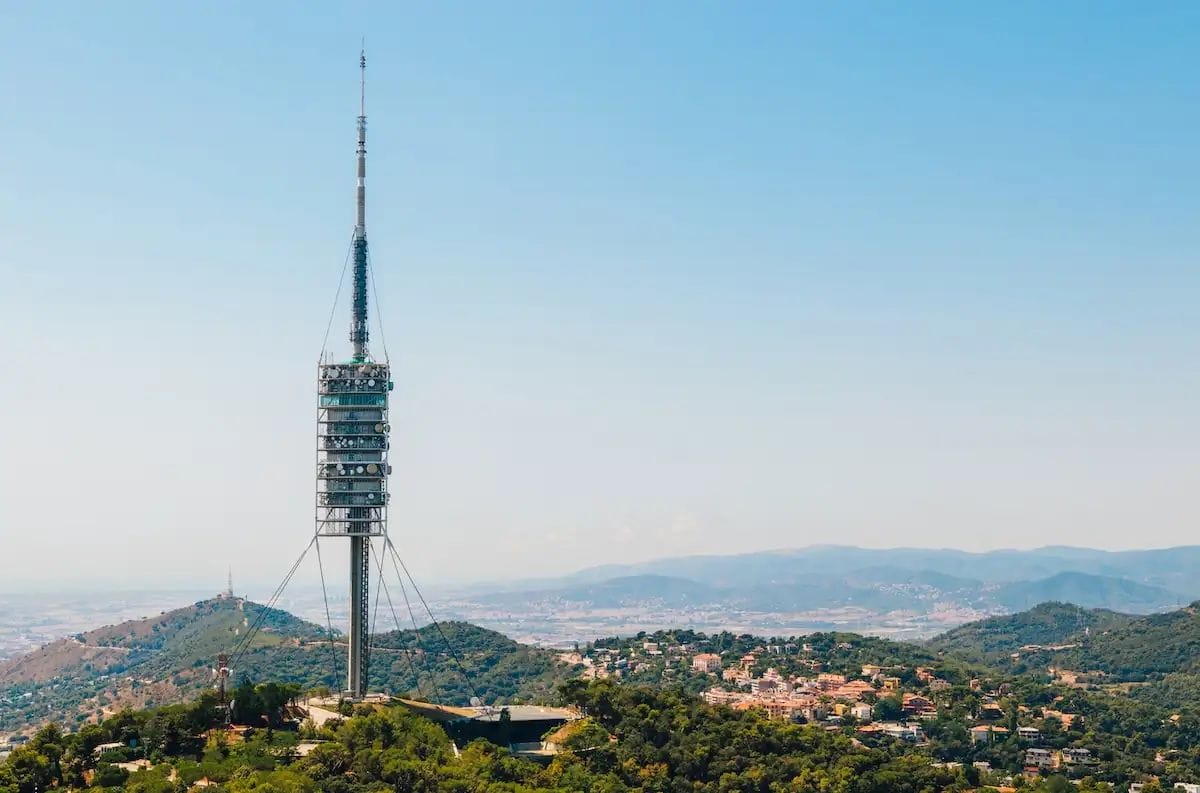
African swine fever does not affect people, but it is highly contagious among wild boar and domestic pigs. That is why the authorities are trying to reduce movement inside the park as much as possible: less human presence means fewer chances of moving remains, facilitating contact or disrupting control work.
The impact on everyday life will be clear. Hikers, runners, cyclists, families and residents who use Collserola to walk, exercise or escape the heat will have to look for alternatives during the hardest months. Access to forest tracks, recreational areas and natural spaces affected by the restrictions will be prohibited, except for authorised services.
The City Council also links the closure to fire prevention. After a winter and spring with more accumulated vegetation, the park reaches summer with more fuel available. Keeping visitors away reduces the risk of carelessness, illegal barbecues, cigarette ends or activities that may generate sparks, one of the Fire Brigade’s major concerns when temperatures rise.
Surveillance will be reinforced with drones, new off-road vehicles and an ambulance adapted to forest environments. In addition, Vallvidrera’s seasonal fire station will be operational during the summer campaign to speed up the response to any emergency in the mountain range. Barcelona is also maintaining brush-clearing work on 346 hectares of the municipal area of Collserola, with a budget of 400,000 euros.
Access control will involve Bombers, Mossos d’Esquadra, Guardia Urbana and Agents Rurals, with particular attention to the districts bordering the mountain range, such as Les Corts, Sarrià-Sant Gervasi, Horta-Guinardó, Nou Barris and Gràcia. The idea is not only to impose sanctions, but to prevent people from entering via secondary paths thinking that “a short walk” does not count.
Collserola is much more than a park on the map. For many Barcelona residents, it functions as a gym, playground, viewpoint, mental escape and shade when the city bears down. That is precisely why the closure hurts: it does not affect a distant space, but a part of the routine of thousands of people. This summer, an uncomfortable sacrifice will have to be accepted to protect the environment and gain time against two different but equally serious threats: a virus advancing among wild boar and countryside increasingly vulnerable to fire.