
News
With the peineta and flamenco dress: all set at Parc del Fòrum for Barcelona’s April Fair
The Catalonia April Fair is held at Parc del Fòrum from 24 April to 3 May to experience Andalusian culture and folklore beyond Seville. Also deeply rooted in Barcelona, this accent becomes an event with a variety of activities and more than 125 attractions for everyone.
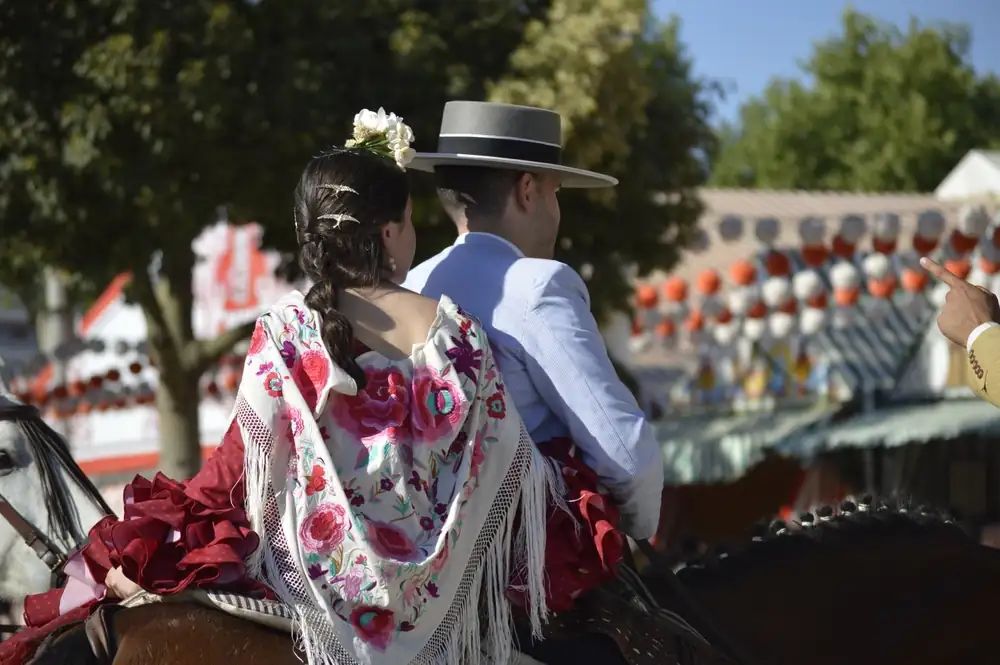
The Feria de Abril de Catalunya returns in 2026 in grand style. Having become one of the most heavily attended celebrations on Barcelona’s cultural calendar, this event brings together thousands of people each year around Andalusian music, gastronomy and traditions. Organised by the Federación de Entidades Culturales Andaluzas en Catalunya, the fair has established itself as a meeting place where identity, celebration and cultural diversity coexist in the heart of the metropolitan area.
From 24 April to 3 May, Parc del Fòrum hosts its 53rd edition, arriving with significant new features designed to improve the visitor experience. Among them, the increase in capacity to 40,000 people stands out, a measure responding to the growing interest the event has generated in recent years.
The celebration: the Feria de Abril in Barcelona
The fairground covers almost 87,000 square metres, divided between the Real and the amusement area, known as the popular “Calle del Infierno”. The Real contains the casetas, food spaces and walkways, forming a network of streets that recreates the atmosphere of the traditional Seville fair.
This year, improvements have also been introduced to the organisation of the space to make movement easier and ensure a more comfortable experience. The widening of access routes and relocation of some casetas respond to the need to manage an ever greater flow of visitors without losing the event’s festive character.
Gastronomy and tradition
One of the major attractions of the Feria de Abril in Barcelona is its food offering, which makes it possible to enjoy typical southern flavours without leaving the city. In this edition, two moments stand out in particular: Día del Gazpacho and Noche del Salmorejo, when thousands of free portions will be handed out to attendees.
These initiatives not only reinforce the festive element, but also highlight Andalusian culinary tradition. In the casetas, run by cultural organisations, visitors can sample classic dishes while sevillanas and rumbas play, creating an atmosphere that invites everyone to have a great time.
Culture and participation: La Feria de Abril de Barcelona
The fair retains its essence as a meeting point for organisations and associations linked to Andalusian culture. Regional cultural centres, brotherhoods and dance schools take an active part, offering performances and activities that enrich the programme.
This network of associations is essential to understanding the event’s success, as it brings authenticity and continuity over the years. The presence of new organisations in this edition reinforces the idea of an open, dynamic community.
Safety and accessibility
In view of the increase in visitors, the organisers have reinforced safety measures with more control staff and the installation of surveillance systems. Lighting throughout the site, including the amusement area, has also been improved to ensure a safer environment.
Accessibility is another of the aspects being addressed, with clear recommendations to use public transport and avoid travelling by private vehicle. Metro, tram and buses connect directly with the site, making it easier for visitors to arrive from different parts of the city.
Social and environmental commitment
Beyond the celebration, the Feria de Abril incorporates social and sustainable initiatives. The presence of a Punto Lila aims to promote an environment free from gender-based violence, while awareness measures, such as reducing sound stimuli during certain time slots, allow people with autism spectrum disorders to enjoy the event too.
In environmental terms, the focus is on using reusable materials and responsible waste management. These actions reflect a clear desire to adapt tradition to current challenges, showing that it is possible to celebrate without giving up respect for the environment and social inclusion.