
News
Total suspension on the R3 de Rodalies: travellers between La Garriga and Puigcerdà affected
The R3 de Rodalies line is once again disrupting travel between Barcelona, Vallès Oriental, Osona and the Pyrenees. Travellers moving between La Garriga and Puigcerdà are still dealing with special timetables, replacement buses and service changes on one of the most troubled lines in the Catalan network.
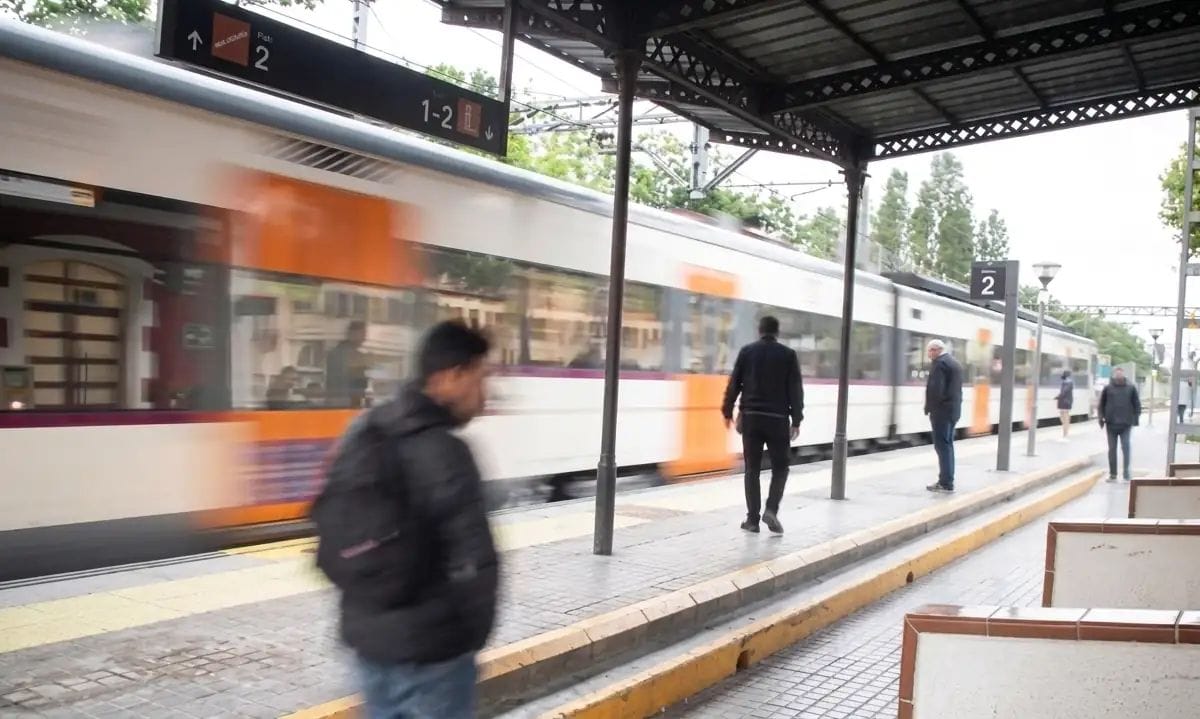
The disruption is felt especially by those who use the R3 to get to work, study or connect with mountain towns. A journey that should be direct turns into a combination that requires checking timetables in advance, allowing extra time, and accepting that any incident could make the trip longer.
Rodalies is maintaining an alternative road service to cover part of the affected journeys, with connections from Barcelona Fabra i Puig and services to different points along the line. The aim is to keep people moving while works and adjustments—ongoing for months—continue to disrupt the normal operation of the R3.
The section towards Puigcerdà has an added difficulty: it is not just a metropolitan line. It connects small towns, mountain areas and users who do not always have convenient alternatives by car or bus. When the R3 fails, the impact is felt far beyond Barcelona.
The latest changes come after a long series of closures, partial reopenings and road services. The gradual reopening of sections has allowed some rail traffic to resume, but the line is still running with limitations and a service heavily affected by the works and available capacity.
For travellers, the practical advice is clear: check the service status before leaving, review updated timetables and allow more time than usual, especially if your journey depends on bus connections or links to the Pyrenees.
The situation also highlights the fragility of Rodalies once again. The R3 is a key line connecting Barcelona with the interior and the north of the country, but it has suffered years of incidents, pending works and complaints from users who feel that planning a trip has become a small test of endurance.
The closure and alternative services present a familiar scene for many travellers: suitcases, waiting, transfers and the feeling that getting around by public transport on some routes still requires too much patience. In a Barcelona that needs better metropolitan connections, the R3 remains one of the most visible challenges.