
News
Teachers’ strike clogs key access routes and complicates travel in Barcelona
Barcelona began the day with difficult traffic, blocked access routes and long tailbacks as an education strike called by several teaching unions began. From early morning, different protests have affected some of the city’s main entry and traffic arteries, disrupting the routine of thousands of people travelling to the centre or between municipalities in the metropolitan area.
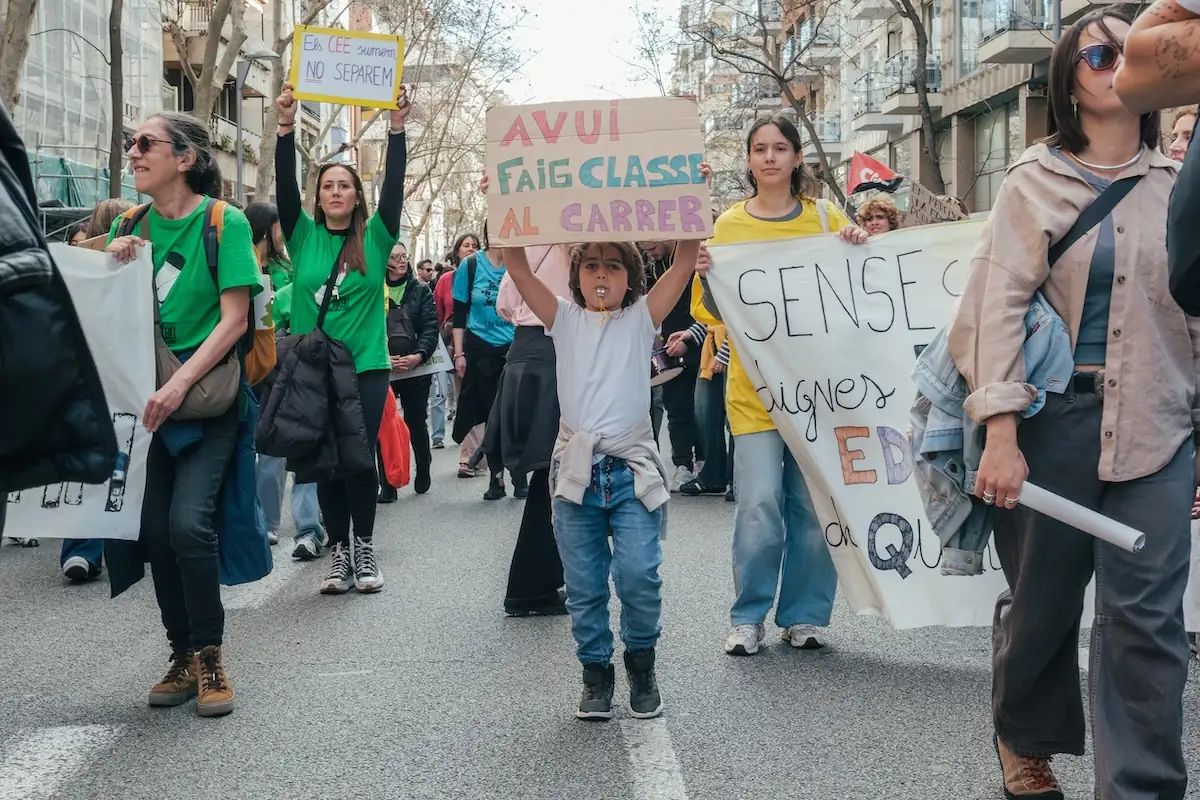
One of the first affected points was the Ronda de Dalt, near the Nus de la Trinitat, where groups of teachers blocked traffic before seven in the morning. Shortly afterwards, further closures came at Mundet and on Gran Via, at Campana, one of the most sensitive access points for daily mobility in Barcelona.
The disruption also extended beyond the capital. The C-32 in Mataró saw blockages and additional complications, increasing pressure on a road network already heavily congested during the early hours of the day. Many drivers were forced to improvise alternative routes or accept significant delays in getting to work or educational centres.
The protest marks the start of a new cycle of mobilisation in Catalonia's education sector. The unions USTEC, Professors de Secundària, CGT and Intersindical have called up to 17 strike days until 5 June, coinciding with the final stretch of the school year, one of the most sensitive periods for families, students and teaching staff.
Pressure will also move to central Barcelona with a demonstration scheduled for midday between Plaça Urquinaona and Plaça Sant Jaume. Several columns of demonstrators will also set off from Plaza Espanya and Clot station, which could cause further traffic and mobility disruption for much of the day.
The conflict once again brings into focus the weight that education strikes have in Barcelona's everyday functioning. Beyond the classrooms, this type of protest directly affects transport, working hours and the daily organisation of thousands of families who depend on the school timetable and metropolitan mobility.
Teacher mobilisations have formed part of Catalonia's social and trade-union landscape for years. When they coincide with closures on ring roads, Gran Via or metropolitan access routes, the city completely changes pace for hours and turns education into one of the major issues running through both classrooms and Barcelona's urban life.