
News
Uncertainty grows among neighbours opposite the Sagrada Familia over possible demolitions
Residents of Mallorca Street fear losing their homes. Work on the Sagrada Familia is advancing and nobody is clarifying their future. The City Council promises solutions before 2027. Property values are falling and tension is increasing.
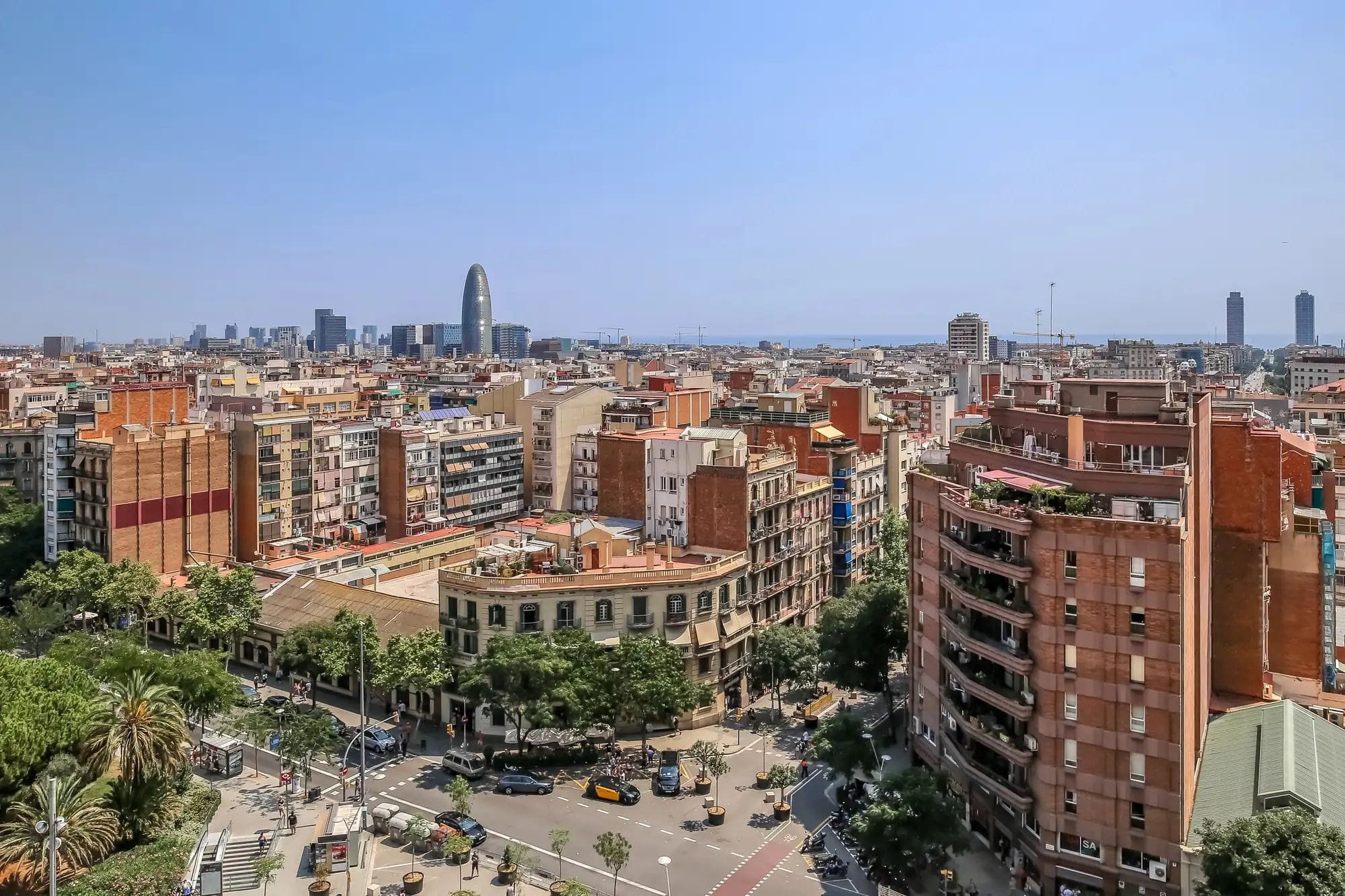
Residents of Calle Mallorca live in fear of losing their homes. Construction work on Sagrada Familia is advancing and nobody clarifies their future. The City Council promises solutions before 2027. Flat values are falling and tension is rising.
Everyday life for those living opposite Sagrada Familia has become a succession of doubts and fears. Work on the temple is advancing towards the Glòria façade on Calle Mallorca, and the future of dozens of families hangs by a thread. Nobody has confirmed whether their homes will be demolished, how many people will be affected or how they will be compensated if they ultimately have to leave.
Junta Constructora insists that the emblematic staircase designed by Antoni Gaudí will be built, considering it indispensable. However, residents recall that a 1975 document from Ministerio de Cultura casts doubt on whether Gaudí planned the staircase and access square from Mallorca, fuelling controversy over the real need for demolitions.
The municipal government, led by Jaume Collboni, maintains three commitments: minimise the number of homes affected, guarantee rehousing in new and nearby flats, and ensure that the cost falls on the temple’s governing body. The City Council continues to negotiate with both Junta Constructora and the residents, but the lack of concrete information keeps tension in the neighbourhood.
Jordi Valls, responsible for Eixample, says that any decision on mobility, public space or housing will be a municipal responsibility and that no agreement will be approved without housing solutions for those affected. He also stresses that Sagrada Familia’s involvement in managing the impacts will be essential.
The exact number of residents at risk remains a mystery. Figures ranging from one hundred to one thousand people have been considered, but the City Council promises that details and the definitive solution will be known before 2027. Meanwhile, the works do not stop and many residents doubt whether to invest in refurbishing their flats, which have lost market value.
In 2019, Sagrada Familia acquired a large property one block from the temple, interpreted as a possible space to rehouse displaced residents. However, uncertainty persists, especially among inhabitants of the Núñez y Navarro building directly opposite the future Glòria façade. The community fears the governing body wants to acquire two entire blocks, which would have an even greater impact.
Discontent is palpable: constant noise, tourist overcrowding and the disappearance of traditional shops have changed neighbourhood life. Some notices in entrance halls ask tourist guides not to spread demolition rumours, while several tenants are forced to leave because rents have risen. Asociación de Vecinos closely follows negotiations and calls for discretion so as not to hinder dialogue, although concern about the future continues to grow.
Sagrada Familia, one of Barcelona’s most recognisable icons, has for decades been a driver of urban transformation and a magnet for visitors from around the world. Its construction, begun in 1882, has shaped life in Eixample and generated debates about the balance between heritage, tourism and neighbours’ rights. The still-pending Glòria façade represents the temple’s last great architectural and social challenge, and its development will condition the landscape and coexistence in the surrounding area in the coming years.