
News
Poblenou bids farewell to Cruixent, one of its most beloved artisan bakeries
Poblenou loses one of its most recognisable shops with the closure of Cruixent, the artisan bakery and pastry shop at the intersection of Rambla del Poblenou and Pujades. After 14 years in business, the family business is closing its doors, leaving many Sant Martí residents without one of their regular places to shop and meet.
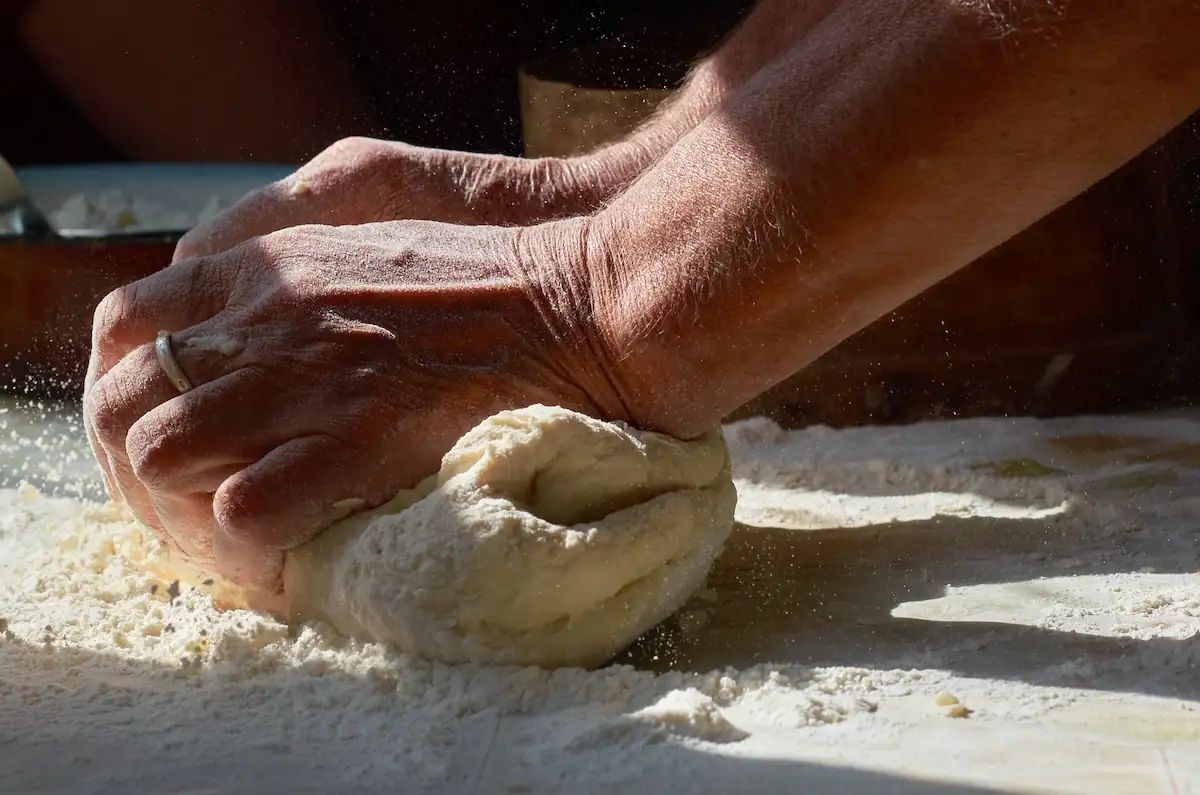
The decision comes after years marked by rising costs, shrinking margins and changes in consumption habits. Maintaining artisanal production, with long processing times and selected raw materials, had become increasingly difficult in a highly competitive commercial environment.
The Ribas family had run the establishment since it opened. Juana, who is responsible for the business, is now approaching retirement, while her son Uri has decided to continue his professional career outside the bakery sector.
Cruixent built its identity around bread made with long fermentations, cocas de recapte and its own range of pastries. Its products were more expensive than those of some chains, but a significant share of its customers valued the quality and personal service.
The establishment also served as a landmark on a Rambla del Poblenou increasingly occupied by new cafés, franchises and businesses aimed at a different public. Its closure reinforces the sense of accelerated transformation that many residents perceive in the neighbourhood.
The disappearance of the premises reflects the difficulties faced by small businesses without large financial groups behind them. The price of energy, raw materials and maintenance adds to demand that has changed and does not always make it possible to sustain artisanal production models.
The closure leaves workers and customers without a place tied to their daily routine. For some it was an early-morning stop; for others, the place to buy bread or a coca before a family meal.
The lowered shutter leaves a different image on the Rambla del Poblenou. More than a bakery, a business built over the years around the craft, conversation with the customer and a way of understanding neighbourhood commerce has disappeared.