
News
When Formula 1 leaves, Madrid keeps paying the price in its neighbourhoods
The Gran Premio is over, but the affected neighbourhoods are still waiting for solutions. Disrupted mobility and unresolved services define daily life. Madrid faces the challenge of balancing major events with real needs.
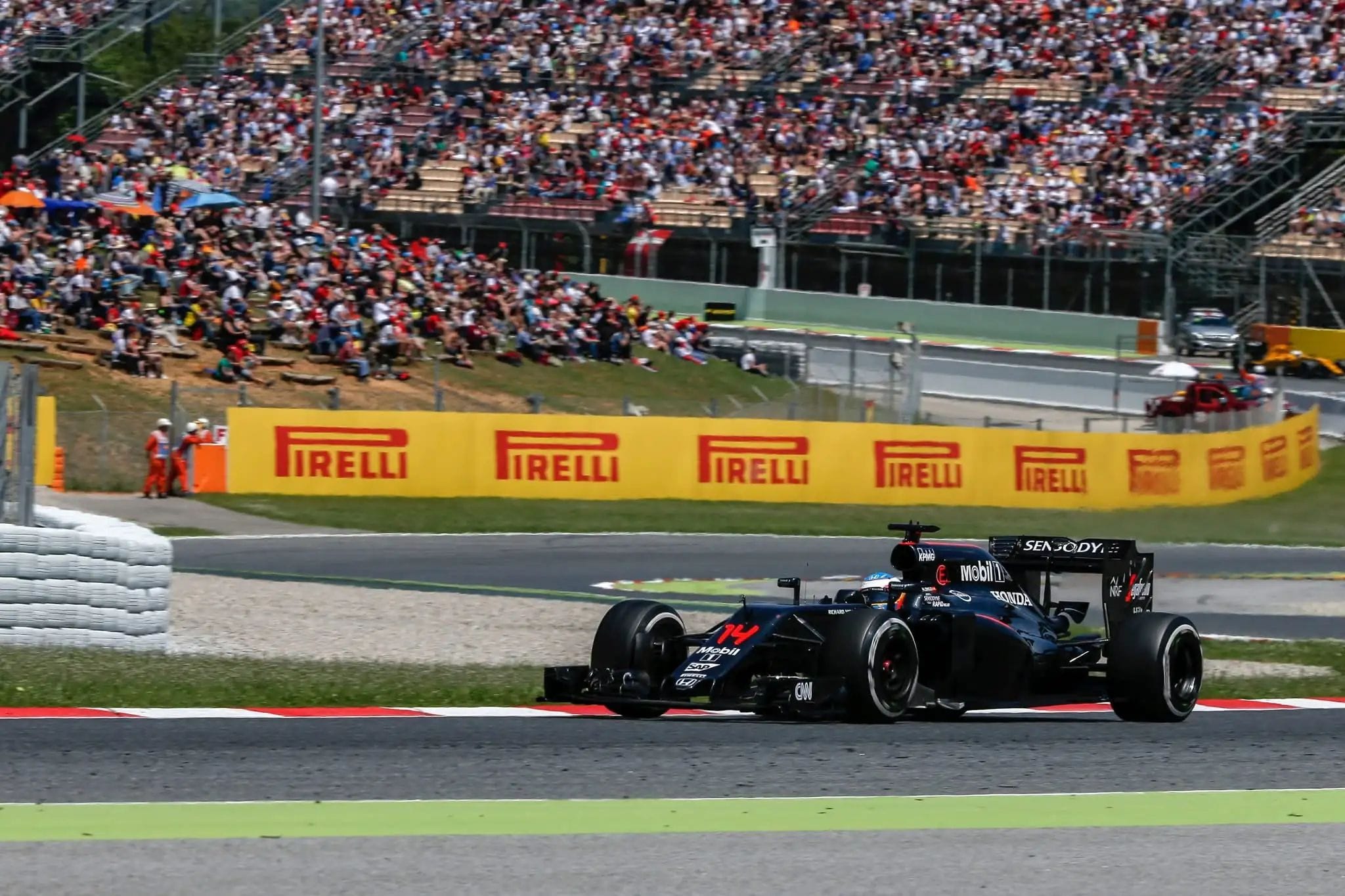
The roar of the single-seaters is now history, but the echo of Formula 1 still reverberates in Madrid. As the international spotlight fades and headlines celebrate the event, the neighbourhoods that gave up their streets and their patience are still dealing with road closures, dismantling of infrastructure, and disrupted transport lines. The city is slowly regaining its rhythm, though for many residents, normality is still a long way off.
For months, areas like Valdebebas, Las Cárcavas, Hortaleza y Barajas have endured construction, barriers, restrictions, and noise. It wasn’t just a weekend: turning part of Madrid into a circuit meant months of inconvenience and changes to daily mobility. Some residents needed special passes just to access their own homes. The City Council rolled out free bus lines for the event, but longstanding transport and accessibility issues in these neighbourhoods remain unresolved.
The promise that Formula 1 would not cost Madrid’s residents any money has been repeated for months. However, figures fluctuate between 300 and 500 million euros in contracts and investments, much of it channelled through IFEMA, with both the City Council and the regional government involved. Transparency about the overall cost and the rights to host the event is still lacking. Meanwhile, the profits seem to be privatised, while the inconvenience is shared by those living in the area.
The contrast is clear: for the Gran Premio, extraordinary resources and solutions appeared. For the longstanding demands of the neighbourhoods—health centres, schools, social services, better connections—the wait goes on. Residents who have put up with months of noise and restrictions are asked for patience, but the reward never comes. In fact, the noise has been so significant that residents themselves have commissioned certified measurements and are preparing a report on the recorded levels. The City Council says there will be penalties if limits were exceeded, though prevention came too late and the nuisance has already been done.
On Sunday, nearly a thousand people gathered near IFEMA. Neighbourhood platforms and affected groups called for more investment and public services for their areas. Their presence does not tarnish Madrid’s image: protesting, organising, and demanding explanations about public money is part of the city’s democratic life.
Madrid can host major events, but it cannot become an amusement park at the expense of its residents. The cars will return next year and for another decade. When the barriers come down, the question will remain: what kind of city do we want to build around these events? The answer cannot leave out the neighbourhoods that bear the brunt of the festivities.
IFEMA has established itself as the epicentre of major events in Madrid, from international fairs to concerts and now Formula 1. Its ability to transform the surrounding area is undeniable, but so is the impact it has on the daily life of neighbouring districts. The relationship between IFEMA and the city is growing ever closer, and its role in the local economy is increasing, though not always in a way that benefits all residents equally. Madrid is already moving in that direction, but the challenge will be to ensure that the benefits of these events truly reach those who live with them every day.