
News
Four older people resist forced relocation and defy Madrid City Council
The City Council demands that the municipal flats on Jerte Street be vacated. Only four residents remain, refusing to leave. The La Latina neighbourhood watches with concern over the future of this social housing model.

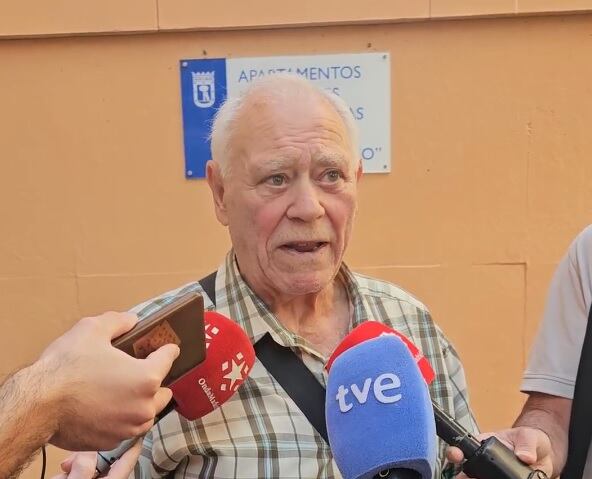
In the very heart of La Latina, four elderly residents remain steadfast in their municipal flats on Jerte street. Madrid City Council has begun legal action to evict them, citing the need for a comprehensive refurbishment of the building. However, distrust is growing among those still holding out and neighbourhood associations, who fear that the relocation will be permanent and that the flats will end up being used for other purposes.
Alejandro Ibáñez, 81, has spent more than a decade in these flats, intended for older people with limited means. For months, most residents have accepted relocation to care homes spread across the Community of Madrid. Only four remain, convinced that if they leave, they will not be able to return. The City Council insists that the refurbishment is essential to guarantee safety, but residents say they have not seen detailed technical reports or evidence that the building is uninhabitable.
The municipal proposal includes temporary rehousing in care homes where services are covered, although the co-payment can reach up to 86% of the monthly pension, compared with the 10–15% they paid in the flats. In addition, many of the new destinations are far from the neighbourhood, making it difficult to maintain daily life and long-standing ties. Some of those who accepted the relocation now regret the decision, seeing that work has not yet begun and that returning to their homes is uncertain.
The Asociación Vecinal la Chispera supports the residents and questions why the work cannot be carried out in phases, allowing older people to remain in their homes. They recall that this model was born as a social gain for the neighbourhood, intended for those who could not afford a private care home. The sense of uprooting and uncertainty about the future weighs heavily in the air.
The City Council assures that, once the refurbishment is complete, everyone will be able to return to their flats under the same conditions and that more places will even be made available. Meanwhile, the four residents who are holding out are receiving notices and awaiting the court’s decision. Tension is palpable in the building, which has become a symbol of the fight for social housing in Madrid.
The Apartamentos Municipales para Mayores San Francisco form part of a network of public housing that emerged in the 1980s to respond to the loneliness and lack of resources of many older people in historic neighbourhoods. Their location in La Latina, close to markets, health centres and neighbourhood life, has been key to preserving their residents’ autonomy and roots. Today, the future of this model is being debated between the need to modernise the buildings and the urgency of not breaking the ties that give meaning to life in Madrid.