
News
From pigsty to home: the surprising transformation inspiring Barcelona
An old stable in Burgos has been turned into a family home. Architects have reinvented the space using wood and light. The result challenges the housing crisis. Find out how this project could inspire urban solutions in Barcelona.
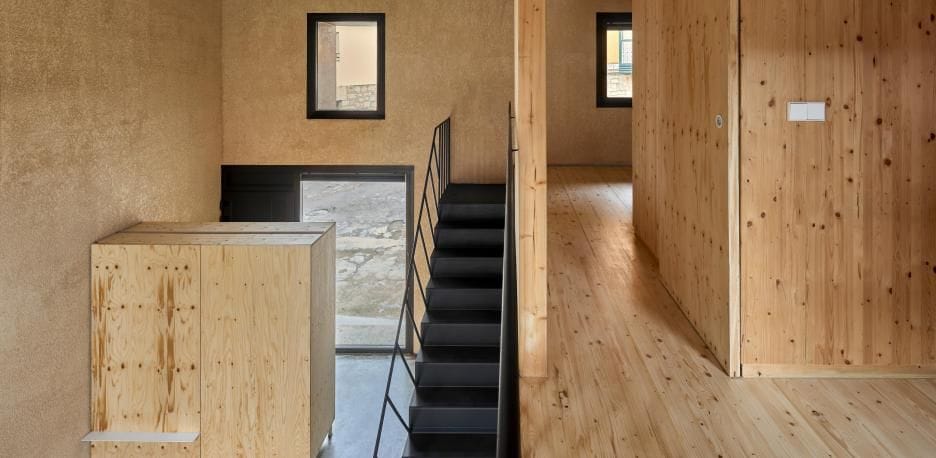
A former stable in Burgos is becoming a family home. Architects reinvent the space with timber and light. The result challenges the housing crisis. Discover how this project can inspire urban solutions in Barcelona.
At a time when the search for affordable, sustainable housing is a daily concern for people living in Barcelona, ideas that break the mould are emerging beyond the city. A recent example in the province of Burgos has caught the attention of architects and urban planners: the transformation of a former pigsty into a modern, efficient family home.
The project stands out for its innovative approach. The architects chose to retain the building’s original façade, respecting the rural memory of its surroundings. The interior, however, was completely reinvented: a timber structure lines the walls, creating a warm, welcoming space that contrasts with the sturdy exterior. This technique, known as a “house within a house”, significantly improves thermal insulation, a key detail for comfort and energy efficiency.
The interior layout also breaks with convention. Priority is given to spacious, light-filled common areas, designed for shared living and flexibility. Sliding doors make it possible to adapt the spaces to the needs of the moment, a solution that could inspire those looking for housing alternatives in neighbourhoods such as Gràcia or Poblenou, where every square metre counts.
These kinds of interventions not only enhance unused buildings, but also open up debate on how architectural heritage can be used to respond to today’s housing challenges. The Burgos experience invites us to rethink the limits of urban refurbishment and to imagine new ways of inhabiting the city.
In Barcelona, property pressure and the shortage of buildable land have spurred creativity in residential architecture. Projects that reuse industrial spaces, warehouses or even former workshops have multiplied in recent years. These initiatives not only offer practical solutions, but also help preserve neighbourhood identity and encourage a more sustainable, humane urban life.