
News
Where to see the total eclipse in Madrid: the towns with up to 90 seconds of darkness
Madrid will experience a historic eclipse this Wednesday, 12 August, but it will not look the same across the region. While the Moon will cover more than 99% of the Sun in the capital, several municipalities in the Sierra Norte will lie entirely within the path of totality and be plunged into darkness for more than a minute.
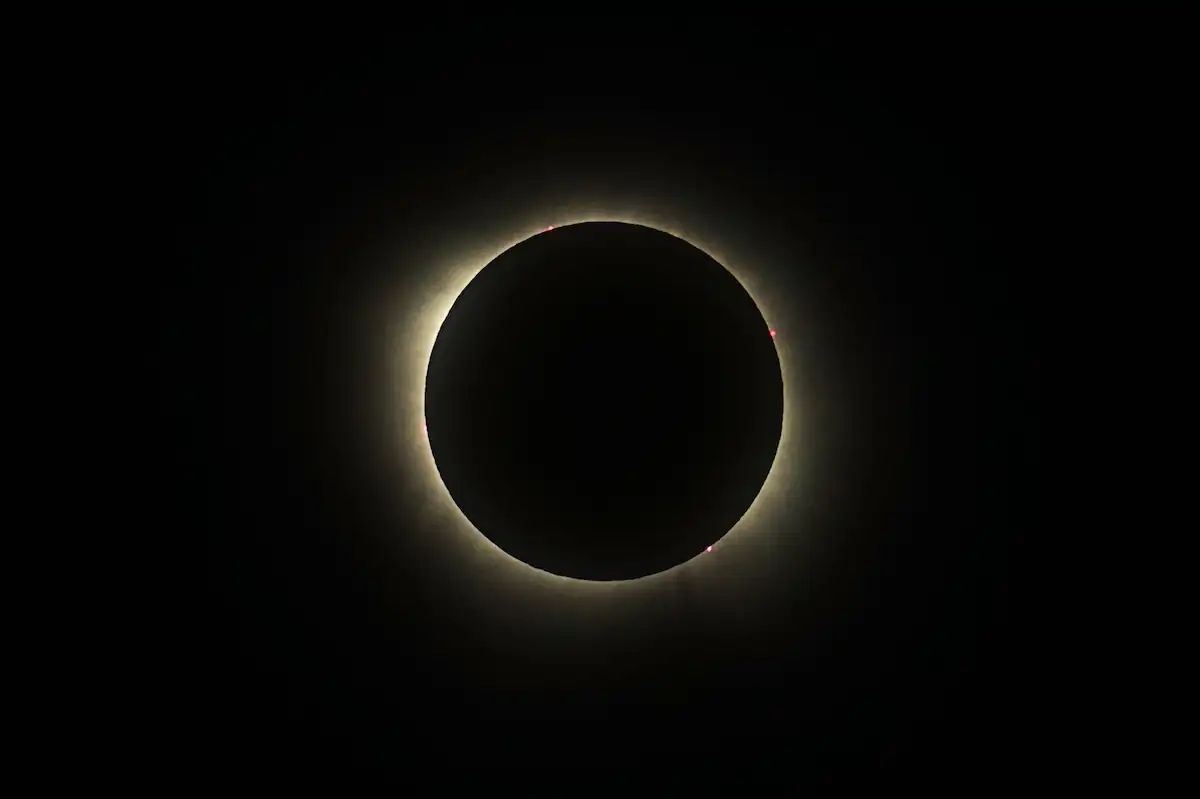
Somosierra will be one of the privileged locations. In this small municipality at the northern end of the Community, totality will last approximately 1 minute and 28 seconds, the longest duration in the region. The phenomenon will begin as a partial eclipse at around 19:30 and the most spectacular phase will arrive shortly after 20:30.
Buitrago del Lozoya will be another of the main reference points, with around 1 minute and 19 seconds of total darkness. The Eclipse Festival has also been prepared there in the area around the Riosequillo pools, one of the points included in the special operation organised by the Community to distribute visitors across different localities.
La Cabrera will also fall within the band of totality, with some 1 minute and 13 seconds. Its position and views westwards make it another particularly attractive alternative, since the Sun will be quite low when the Moon finishes covering it and having an unobstructed horizon will be essential not to miss those seconds.
Other municipalities in the north and north-east of Madrid will also be able to enjoy totality for different intervals. El Molar, San Agustín del Guadalix and Colmenar Viejo are among the places from which the eclipse can be observed in especially favourable conditions. Tres Cantos is also in this area, although its City Council has cancelled the planned special activities because of the extreme risk of fires and high temperatures.
The huge anticipation also requires heightened precautions in the Sierra. Thousands of people plan to travel north of Madrid and the authorities have prepared a broad traffic and emergency operation. The Delegación del Gobierno has even requested access restrictions to certain areas of Guadarrama and the Cuenca Alta del Manzanares because of the fire risk, so it is advisable to check for possible limitations before setting off.
Those who remain in the city of Madrid will not be without a spectacle either: the obscuration will exceed 99 %, although technically the eclipse will remain partial. This means that certified solar glasses must remain on throughout the phenomenon; only within the band of totality may they be removed during the brief seconds when the Sun is completely covered.
The choice of location will therefore depend on more than seeking the town with the most seconds of darkness. With roads that may see exceptional numbers of people and a very high fire risk, going to designated points, avoiding unauthorised forest areas and looking for an unobstructed western horizon may make the difference between comfortably enjoying the eclipse and spending much of the afternoon caught up in traffic and restrictions.