
News
Fires near the tracks disrupt several Cercanías lines
Monday afternoon became complicated for hundreds of Cercanías Madrid passengers. Two fires close to the tracks forced the suspension of train services on several sections and affected key lines such as C2, C7, C8 and C10, right during a busy period.
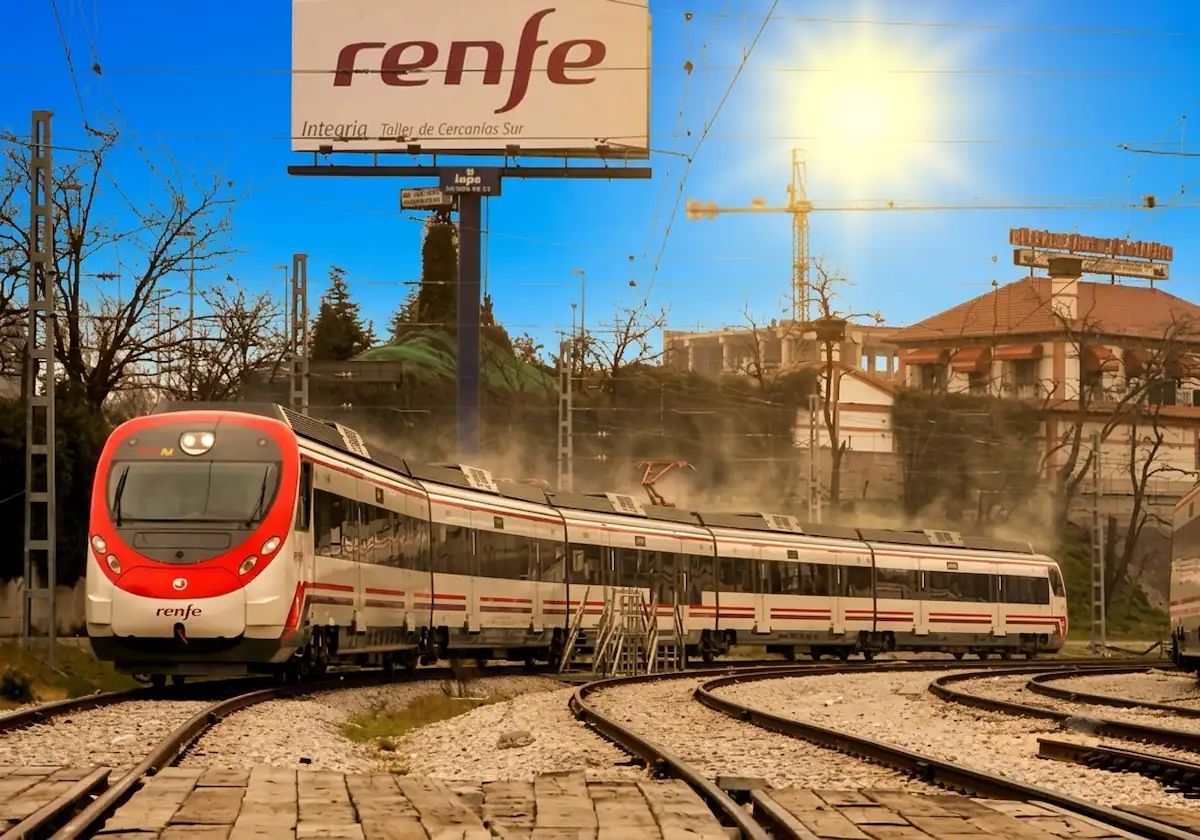
The first alert came shortly after five in the afternoon due to a fire between Vallecas and Vicálvaro. The incident forced a halt to train traffic at that point and disrupted services on the C2, C7 and C8 lines, which are used daily by passengers connecting the Corredor del Henares with Atocha, Chamartín and other hubs in the capital.
The fire was brought under control without serious consequences and train services began to recover gradually around 18:45. Even so, during the disruption many passengers had to wait at stations, look for alternatives or deal with knock-on delays.
Almost at the same time, another fire between Pozuelo and Las Rozas affected the C7 and C10 lines. In this case, train traffic was also temporarily suspended, although it was not necessary to cut the electric power. Emergency services responded in the area and trains were able to resume running around 17:45.
The impact extended beyond the affected sections. In a network as interconnected as Cercanías Madrid, a localised incident can cause delays, stoppages and route adjustments that end up being felt at busy stations and in the central tunnels.
During the suspension, Cercanías diverted some trains to or from Guadalajara via O’Donnell to reduce the impact on passengers. Service recovery was gradual, with frequencies slowly returning to normal as the tracks were cleared.
The incident once again highlights the network’s vulnerability to external problems such as fires next to the infrastructure. For those who rely on the train to work, study or connect with other transport, an afternoon like this means waiting, changing routes and a lot of uncertainty.
The scene leaves a familiar image of Madrid’s mobility: when Cercanías stops, the effect is felt across the whole city. Quick restoration of services helps contain the problem, but it also underlines the importance of protecting railway surroundings and strengthening real-time information for passengers.