
News
Madrid faces days of closures, diversions and free transport because of the Pope's visit
Madrid is preparing for several days of difficult mobility because of Pope Leo XIV's visit. Between set-up work, traffic closures and large gatherings, the Cibeles-Recoletos-Castellana-Lima axis will be one of the most affected areas. The City Council already warns that this will not be a one-off disruption: the city will begin to notice gradual restrictions from late May and the most significant closures will arrive in the first days of June.
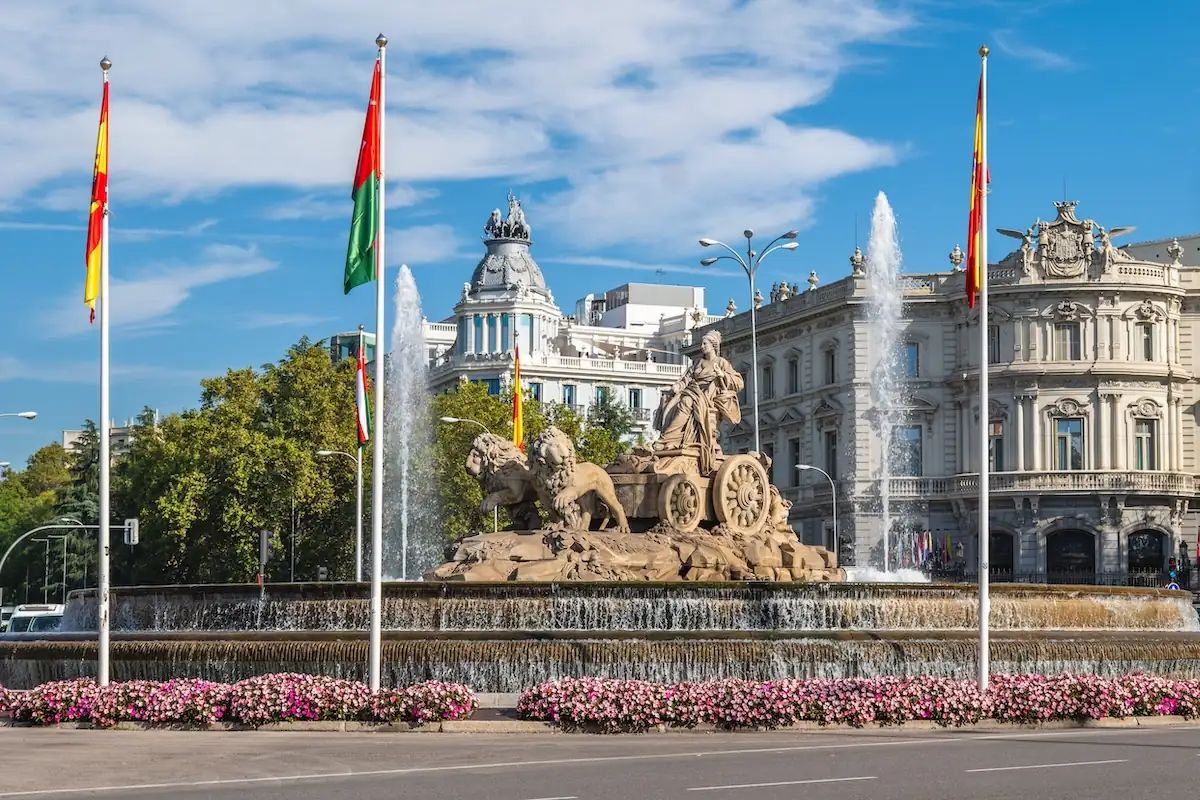
The most sensitive points will be Plaza de Cibeles and Plaza de Lima, beside the Santiago Bernabéu. Cibeles is due to host the large Mass on Sunday 7 June, while Lima will host the youth vigil on Saturday 6. Municipal forecasts point to massive gatherings, with up to 1.5 million people at Cibeles and around 500,000 at Lima.
Full road closures will begin before the main events. Plaza de Lima will be closed to traffic on 3 June and Cibeles on the 4th. From then on, travelling along Castellana and Recoletos will require patience, alternative routes and more planning than usual. The City Council recommends avoiding the area whenever possible and using the M-30 or other corridors such as Bravo Murillo, Joaquín Costa, Francisco Silvela, Serrano or Velázquez.
Public transport will be the main measure to absorb the impact. Between 3 and 9 June, EMT buses and Bicimad will be free. EMT will reinforce the service with 184 additional buses, although many routes will also be diverted because of the closures. Taxis may operate without a compulsory rest period on 6 and 7 June to increase supply during the busiest weekend.
Outlying car parks will also be made available to reduce vehicle access to the centre. There will be spaces at IFEMA, Valdebebas, Ciudad Universitaria, Casa de Campo, Caja Mágica and Planetario-Méndez Álvaro, with shuttle services to the busiest areas. The idea is that people arriving from outside Madrid should not try to reach Cibeles or the area around the Bernabéu directly.
The operation will not be limited to mobility. The City Council expects more than 4,000 police officers, 1,000 health workers, portable toilets, special containers and first-aid training for thousands of volunteers. Municipal sports centres will also open to accommodate pilgrims and prevent improvised camping in Cibeles or El Retiro.
The impact will also reach businesses, residents and shops. The Council has asked for remote working and flexible schedules to be made easier on the most difficult days, and municipal employees will be able to work remotely. Residents of the affected areas will be able to access their homes, but with restrictions and always subject to the security checks in force at any given time.
Madrid is already used to major events, but this visit will require a key part of the city to be reorganised for several days. It is not just a Mass or a vigil: it is an urban operation that will affect traffic, public transport, working hours, tourism, security and neighbourhood life in the very heart of the capital.