
News
Catalonia faces the heat with hundreds of outstanding fire-prevention plans
Catalonia faces the most delicate stretch of summer with significant shortcomings in municipal preparation for forest fires. More than half of the councils required to have an Infocat plan still do not have one updated or lack clear information about its status.
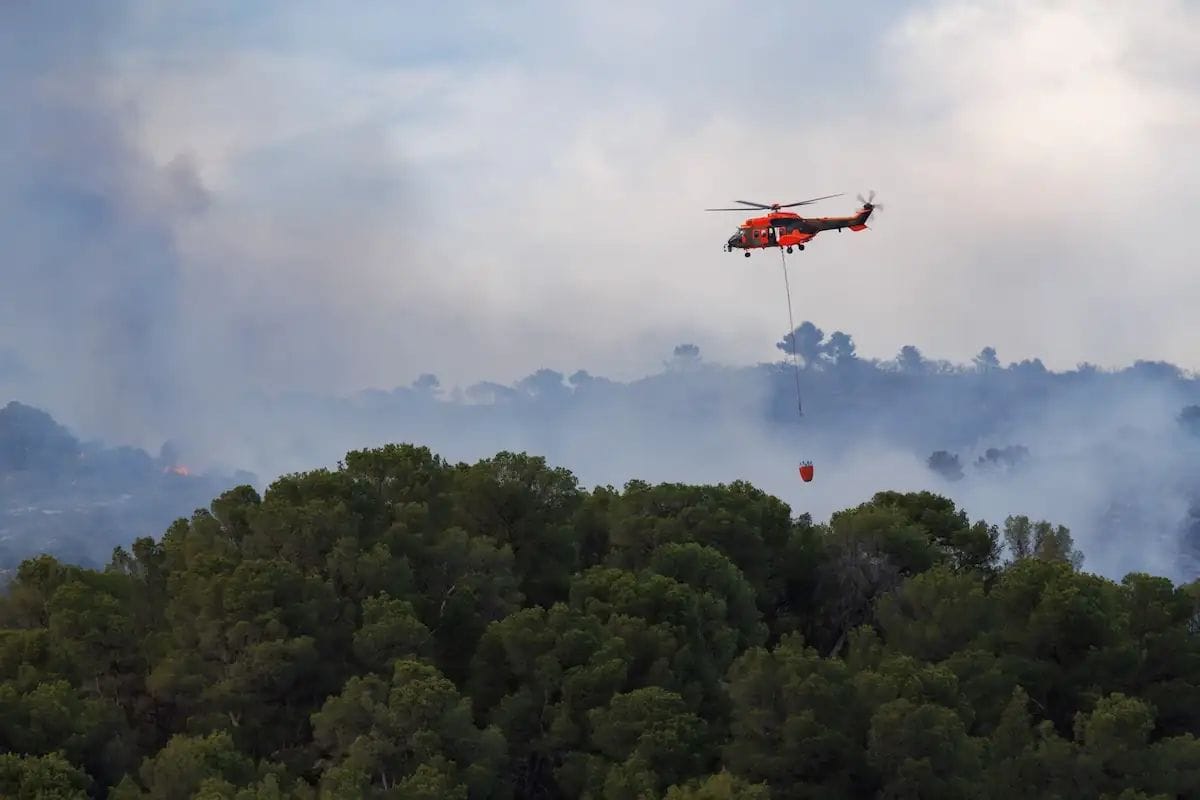
Of Catalonia's 947 municipalities, 758 must have this specific emergency instrument. Civil Protection data for July 2026 indicate that 317 plans are pending review and another 122 have an unclear administrative status.
Only 97 municipalities have managed to bring their documentation into order this year. Although many town councils have general plans for different types of emergency, these do not always include the level of detail needed to deal with a forest fire.
Among the municipalities that have not yet updated their protocols are Lleida, Mollet del Vallès and more than 160 small localities. Others, such as Badalona, Tarragona and Santa Coloma de Gramenet, have begun the process, but are still awaiting completion of the review and final approval.
Drawing up these documents is usually entrusted to specialised companies and can cost between 3,000 and 15,000 euros. In addition, the plans must be renewed every four years or when relevant changes occur in the territory, the resources available or the level of risk.
The Generalitat has set aside 20 million euros between 2024 and 2027 to help local councils, especially smaller ones. Despite this investment, the technical complexity, administrative procedures and need for municipal approval continue to slow the process.
The situation is especially worrying in the face of the new heat episode. Civil Protection is maintaining an alert for temperatures above 40 degrees and humidity below 30%, while 43 municipalities are at the maximum danger level and access to natural areas in Tarragona has been restricted.
The Lleida Pre-Pyrenees, the interior of Terres de l’Ebre and Central Catalonia are among the most exposed areas. Keeping Infocat up to date makes it possible to define evacuations, allocate responsibilities and mobilise resources quickly, a decisive difference when flames approach homes and urban centres.