
News
The single transport pass is now a reality: how it works and who can use it
The single transport pass is now available throughout Spain. It allows unlimited journeys on state trains and buses. It does not include the metro or local buses. Discover prices, conditions and how to get it.
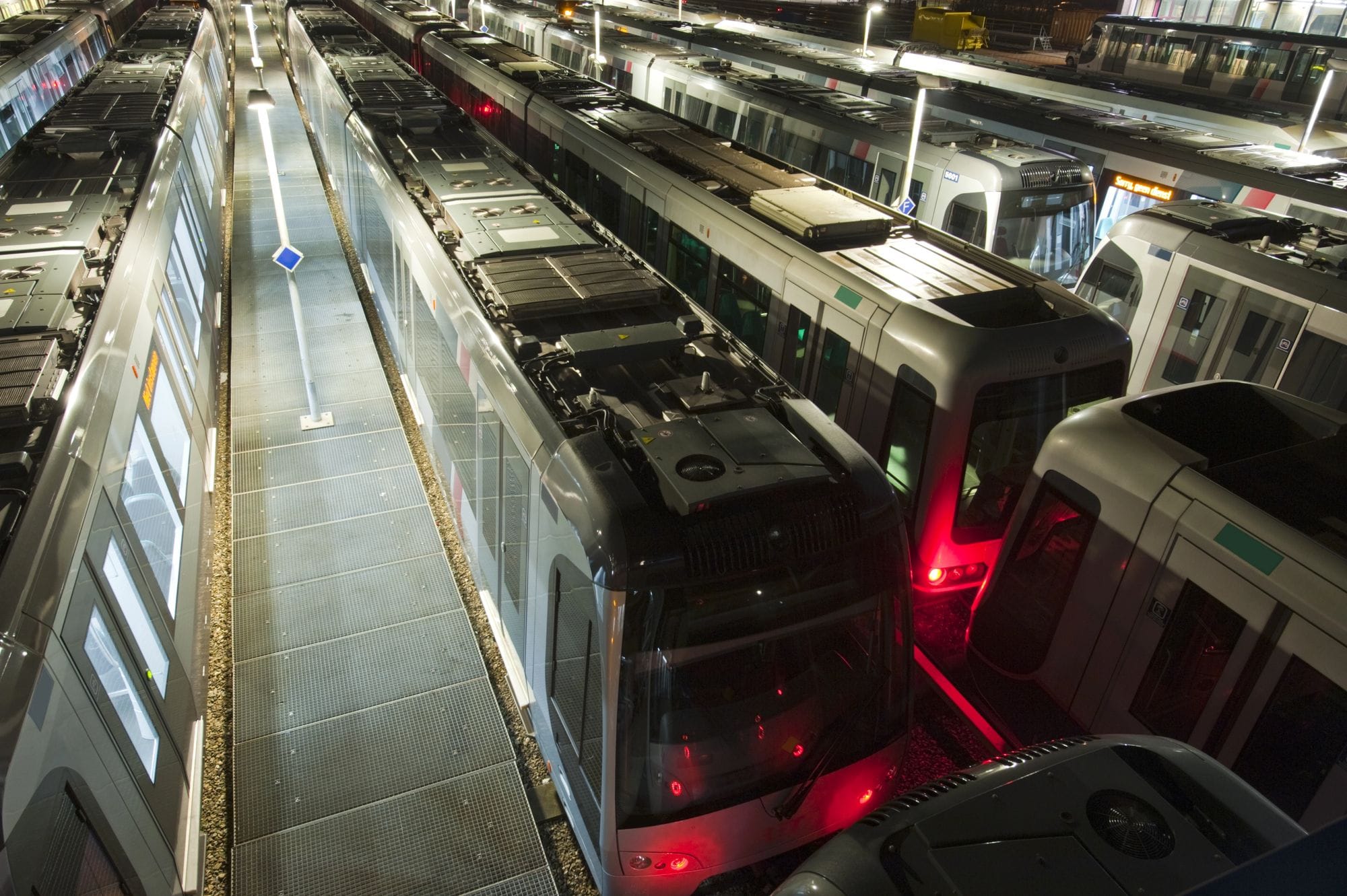
The single transport pass is now available throughout Spain. It allows unlimited travel on state trains and buses. It does not include the metro or local buses. Find out the prices, conditions and how to get it.
The long-awaited single transport pass came into force this Monday, 19 January, marking a turning point in mobility around Spain. For the first time, users can travel without limit on Renfe trains and state buses with a monthly flat fare. However, the ticket covers neither the metro nor municipal buses, leaving part of urban transport out.
The Government has launched two options: for people over 26, the price is 60 euros a month; those under 26, born from 1 January 2000 onwards, pay only 30 euros. The pass is personal and non-transferable, and valid for 30 days. Young people must register on the Ministerio de Transportes website to obtain a discount code. In the first few hours, more than 78,000 young people had already registered, along with 15,000 under-14s who travel free.
The pass can be bought through the usual Renfe and state-bus operator channels: ticket offices, machines, websites and apps. After purchase, each user receives a booking reference, essential for reserving Media Distancia journeys and state-bus trips. Those under 26 must redeem their discount code to generate the booking reference and access the youth pass.
The ticket allows unlimited travel on Cercanías, Rodalies, Media Distancia and some Avant trains, as well as all state buses. It does not include the metro, tram or municipal or regional buses. For Media Distancia journeys, it is compulsory to reserve a seat in advance using the pass booking reference.
On state buses, the pass permits one reservation in each direction per day, except on short journeys, where two may be authorised. To travel, it is necessary to obtain a ticket associated with the pass. Companies cannot charge management fees, although they may charge one euro for the physical card.
On Renfe, operation varies: on Cercanías and Rodalies, simply validate the card if the pass was purchased through their channels; otherwise, it must be linked to a physical card at ticket offices or machines. On Media Distancia, the booking reference must be linked to a pass on the Renfe website. Some Avant services are included, but consecutive trains less than 180 minutes apart cannot be chained, nor can more than four reserved return journeys be made on the same day.
The pass has strict conditions: on buses, reservations must be cancelled 24 hours in advance; on Media Distancia, the deadline is 60 minutes. Chaining trains or exceeding the maximum number of daily reservations is not permitted. Breaching the rules may lead to temporary or permanent blocking of the pass, especially if more than 20 infringements are accumulated in 12 months.
The single pass does not replace local or regional tickets. In Barcelona and its metropolitan area, for example, it does not cover the metro or urban buses, although it does cover Rodalies, Media Distancia and state buses. During the first half of 2026, it will coexist with Catalonia’s integrated fare system. The Generalitat plans to integrate it into T-Mobilitat from the second half of the year, allowing users to choose the most advantageous option according to their journeys.