
News
The Área Metropolitana de Barcelona marks 15 years amid challenges in mobility and funding
The Área Metropolitana de Barcelona marks 15 years as one of those institutions that many residents may not always see, but feel the impact of every day. Transport, water, waste, urban planning, and shared services across 36 municipalities depend on an administration that directly affects the lives of 3.3 million people.
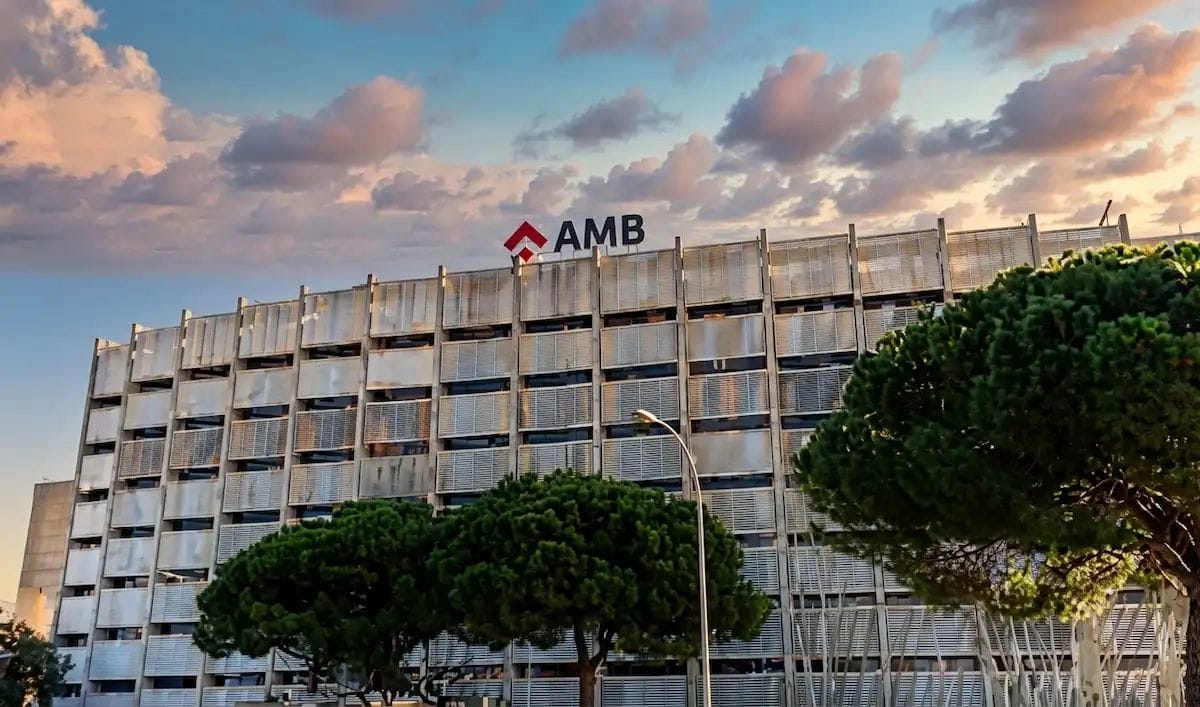
The anniversary is celebrated on 19 June and provides an opportunity to look back, but also to assess the real weight of the AMB in present-day Barcelona. Anyone who takes a metropolitan bus, pays for water, separates waste or moves between municipalities without thinking too much about administrative boundaries is using a network that cannot be understood from the capital alone.
The anniversary brings together names from different political periods, such as Salvador Illa, Jaume Collboni, José Montilla, Jordi Hereu, Xavier Trias and Anna Simó. The image sums up one of the AMB's most striking characteristics: its ability to sustain agreements between parties that, in other settings, tend to be much more confrontational.
Although the PSC maintains a dominant position, metropolitan operations have depended over these years on agreements with Junts, ERC and Comuns. This consensus has made it possible to advance policies on basic services, mobility, urban planning and environmental management, areas in which decisions do not stop at a municipality's boundary.
The AMB's history begins long before 2011. Its origins are linked to the former Corporación Metropolitana de Barcelona, dissolved in 1987, and to the sectoral bodies that subsequently took on specific responsibilities. The formal creation of the Metropolitan Area restored an idea that is obvious in everyday life: Barcelona and its surroundings function as a single urban reality.
The challenge now lies in how to fund that model. The AMB manages essential services, but has limited fiscal autonomy and depends on complex political and budgetary balances. If mobility, water or waste have to be planned at metropolitan scale, funding will also have to measure up.
Another unresolved issue is democratic legitimacy. The AMB plays a decisive role in decisions affecting millions of residents, but it remains a less visible institution than a city council, with an indirect election that many citizens barely know about. This mismatch between real power and public presence will be one of its major debates for the future.
The anniversary leaves one clear idea: Barcelona can no longer be thought of on its own. Housing, travel, water management, air quality and waste are decided on a scale far broader than the central city. The AMB reaches its 15th anniversary as an indispensable piece, but also under pressure to show that it can respond to an increasingly dense, expensive and demanding metropolis.