
News
Madrid experiences the rise of visible luxury and obsession with status
Madrid has become a showcase where it matters not only to have money, but also to appear to have it. In streets, restaurants, hotels, shops and social media, the image of an exclusive life increasingly weighs on the way people consume, go out and get around the city.
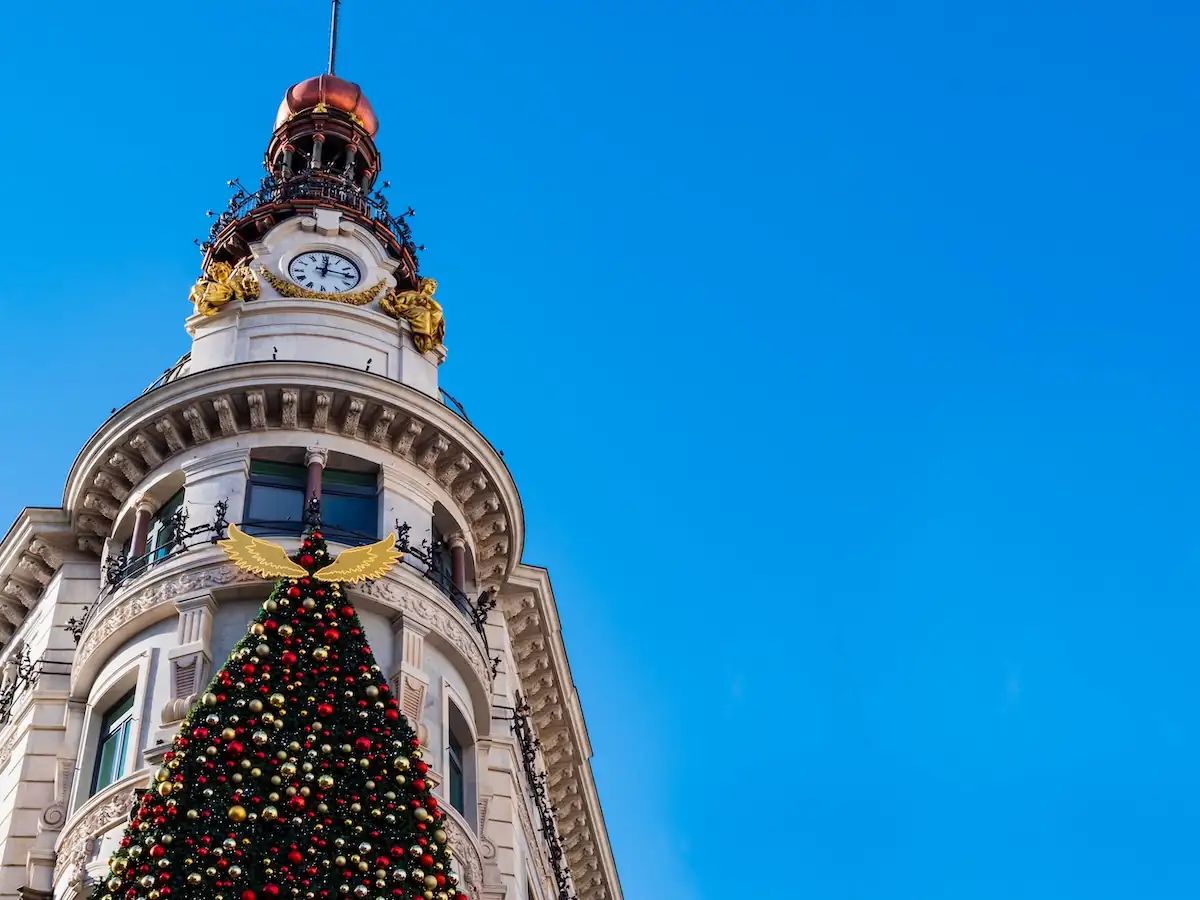
The phenomenon does not affect only great fortunes. Young people, tourists, workers and the middle classes participate in an aspirational culture where a handbag, a dinner, a terrace or a well-framed photograph can function as a status symbol. Wealth is no longer observed only from afar: it is imitated, photographed and shared.
Social media have accelerated this transformation. Instagram and TikTok turn certain places in Madrid into settings where the experience is worth almost as much as the product. It is not only about buying, but about proving that one has been there, even if only for a few hours.
The galería Canalejas sums up this change well. Right in the centre, its luxury shops coexist with visitors looking at shop windows, tourists entering out of curiosity and customers seeking a special purchase. Luxury thus appears more exposed, more visually accessible and more integrated into everyday strolling.
The paradox is that exclusivity has become more visible than ever. Before, part of Madrid’s luxury scene moved through private clubs, housing developments, discreet restaurants or closed circles. Now it is also displayed in open spaces, illuminated façades and videos that circulate at great speed on mobile phones.
At the same time, so-called quiet luxury is gaining strength: garments without large logos, expensive materials, brands recognisable only to those who know how to read them. This more discreet aesthetic coexists with direct ostentation, but both respond to the same need: to stand out in a city where every detail can communicate social position.
The contrast is noticeable in Madrid because opulence and precarity share pavements. A few metres from luxury shops, five-star hotels or fashionable restaurants, many people are still doing the sums to make it to the end of the month. This coexistence makes the desire for status more visible and, at times, more uncomfortable.
The obsession with appearing wealthy says much about today’s city. Madrid attracts investment, tourism, international brands and new consumer habits, but it also reflects a growing anxiety about standing out. At this intersection of real luxury, aspirational luxury and everyday life, the capital is changing the way many people understand success, leisure and belonging.