
News
Feather art arrives in Madrid and transforms the cultural agenda
Madrid adds an unusual exhibition for those seeking cultural plans outside the most predictable circuit. Museo Nacional de Ciencias Naturales presents Feather Art: Nature, Identity and Power, a show inviting visitors to see bird feathers as more than natural beauty.
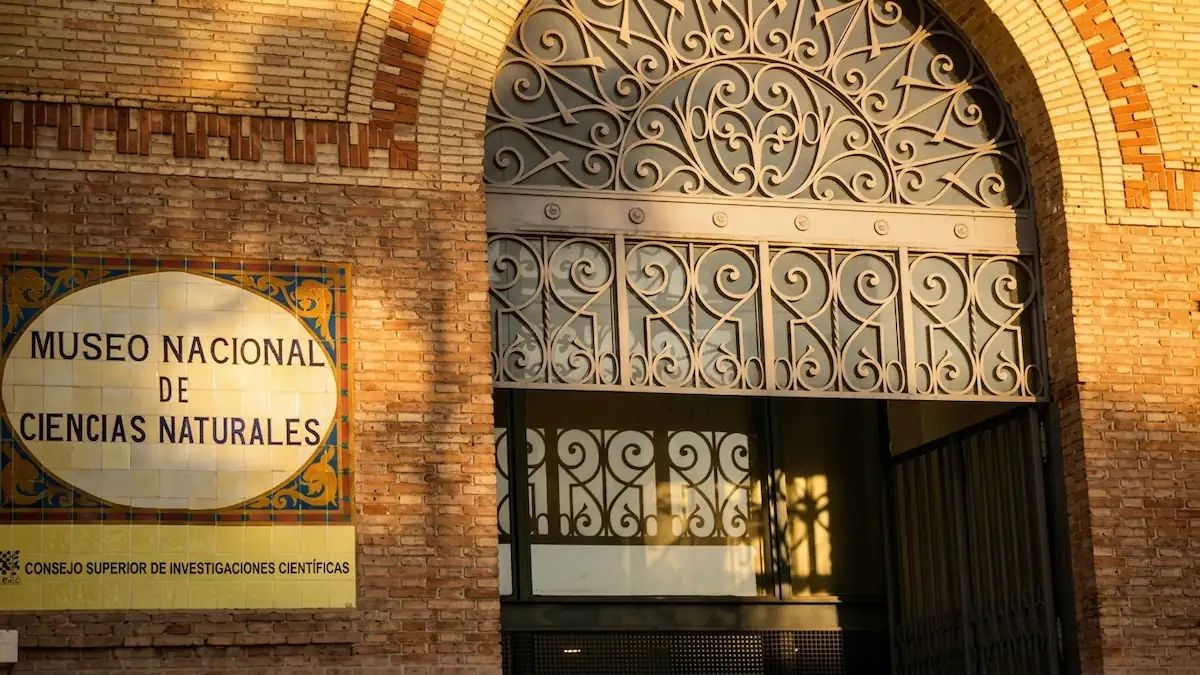
The exhibition brings together more than 70 historical and contemporary pieces, many of them previously unseen in Spain. The tour shows how different cultures have turned feathers into adornments, ritual objects, symbols of prestige, elements of collective identity and materials for artistic creation.
The proposal does not stop at aesthetic contemplation. The exhibition offers a critical reading of power, cultural appropriation, gender, trade, conservation and colonial memory. Each piece thus appears as part of a broader history, in which nature and society constantly intersect.
The route is organised into seven thematic sections. On the first floor, visitors discover the cultural value of feathers in different societies, with sections devoted to the body, adornment, identity, historical sources and viceregal syncretism after the European arrival in America.
Among the most striking objects are a fan and a case from the Qing dynasty decorated with kingfisher feathers, a pre-Inca Wari mantle, a seventeenth-century feather tapestry from the Viceroyalty of Peru and Amazonian adornments made with parrot and toucan feathers.
The second floor introduces a more scientific perspective. It explains the structure of feathers, their colour, iridescence and the relationship between biology and visual perception. In this way, the museum connects the history of art with the naturalist knowledge that forms part of its identity.
One of the most contemporary sections addresses fashion and the international trade in feathers between the eighteenth and nineteenth centuries, as well as the role of the first bird-protection movements. The exhibition reminds us that behind many luxury objects there was also environmental exploitation and social debates that still resonate today.
The conclusion is provided by the works of Henar Iglesias, which enter into dialogue with the historical pieces from a contemporary perspective. The artist works with undyed natural feathers to explore textures, colours and compositions of great precision, demonstrating that feather art belongs not only to the past.
The exhibition leaves a different image of the Museo Nacional de Ciencias Naturales: not only as a space for science, but also as a place to think about the relationship between nature, culture and power. In the heart of Madrid, feathers become a way of reading the history of the world from another angle.