
News
Madrid keeps its waste charge despite residents' appeals
The waste charge will continue to be collected in Madrid, at least for now. The City Council has confirmed it will not withdraw the levy while the state regulation requiring municipalities to introduce a specific charge to fund waste collection and treatment remains in force.
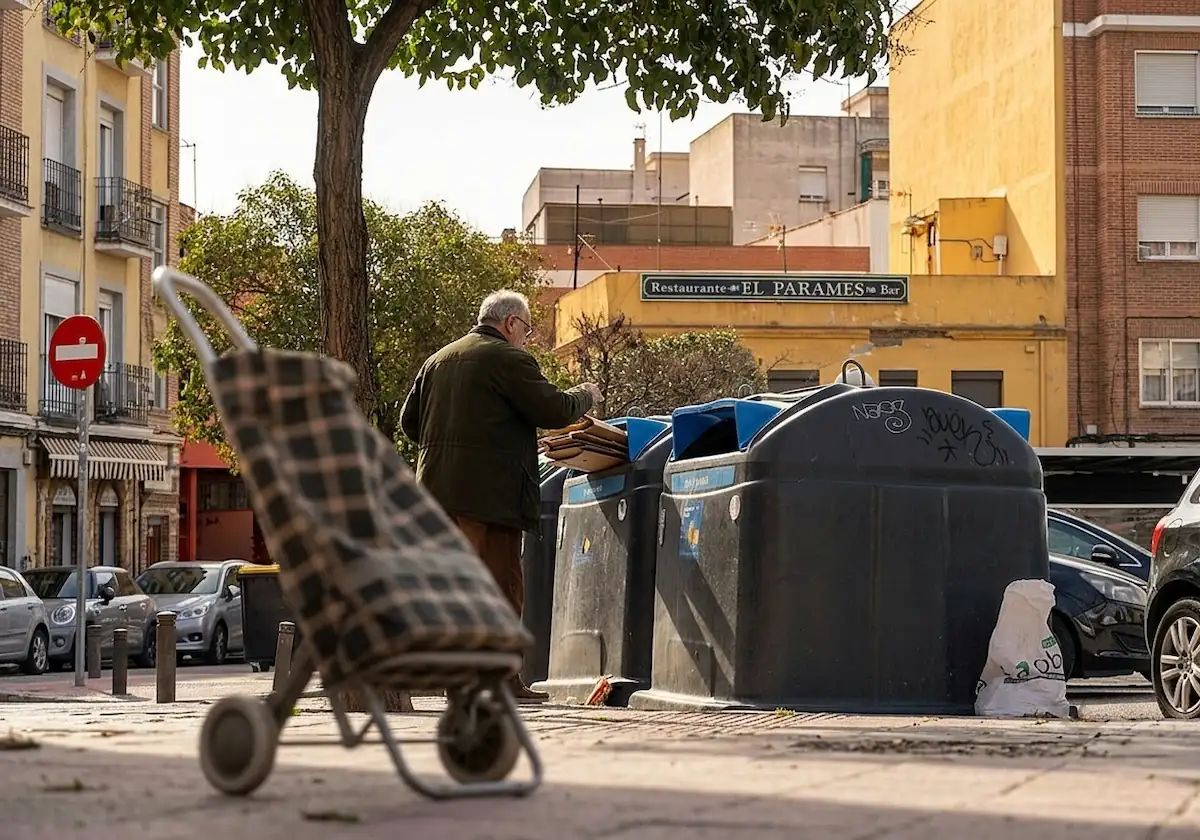
The deputy mayor and municipal spokesperson, Inma Sanz, has argued that the City Council is obliged to maintain the ordinance, despite the High Court of Justice of Madrid having annulled it because of flaws in the procedure used to enact it. The Supreme Court will now have the final say.
The dispute has been dragging on for months and directly affects thousands of households and businesses. The charge is levied to cover the cost of the municipal waste service, but its introduction has prompted strong public and political opposition in the capital.
According to the City Council, more than 130,000 Madrid residents have lodged appeals seeking refunds of the amounts charged. The figure shows the scale of a controversy felt across neighbourhoods, particularly among families and small businesses whose municipal expenses have risen.
The High Court of Justice of Madrid delivered its judgment in March 2026, declaring the charge void for violating the right to public participation during the public consultation process. The absence of essential documentation during that procedure was one of the key points in the ruling.
The City Council decided to lodge an appeal on points of law, so the matter is now in the hands of the Supreme Court. Until a final decision is reached, the Council continues to collect the charge and argues that it cannot abolish it of its own accord while national legislation continues to require its application.
Officials at Cibeles also insist that they have never agreed with this tax in its current form. The municipal position is that central government should give councils more leeway to decide whether to apply the charge, how to calculate it or whether they can cover the cost of the service by other means.
For residents, the situation creates uncertainty. Many have already paid the bill, others have appealed, and others are waiting to find out whether there will be refunds if the Supreme Court upholds the annulment. The lack of a definitive answer complicates planning for households, property owners’ associations and businesses.
The waste collection charge is no minor item in the municipal budget. Waste collection, transport and treatment require a daily network of lorries, workers, plants, containers and services operating in every district of the city.
The debate concerns how that system is paid for and on what basis. National law pushes for the cost of the service to be reflected in a specific charge, but many residents question the calculation, the procedure and the actual impact on already strained household finances.
Madrid is thus awaiting a court decision that could shape the future of the ordinance. Until then, the charge will remain in force and the dispute will stay unresolved, caught between legal obligations, residents’ appeals and an underlying question: how much each resident should pay for an essential service the city needs every day.