
News
Madrid Ballet loses its director after an internal crisis in the PP
The resignation of Antonio Castillo Algarra, a key figure in Madrid culture, marks a turning point in the Community's educational and cultural management after a clash with the PP's hardline wing and Ayuso's chief adviser.
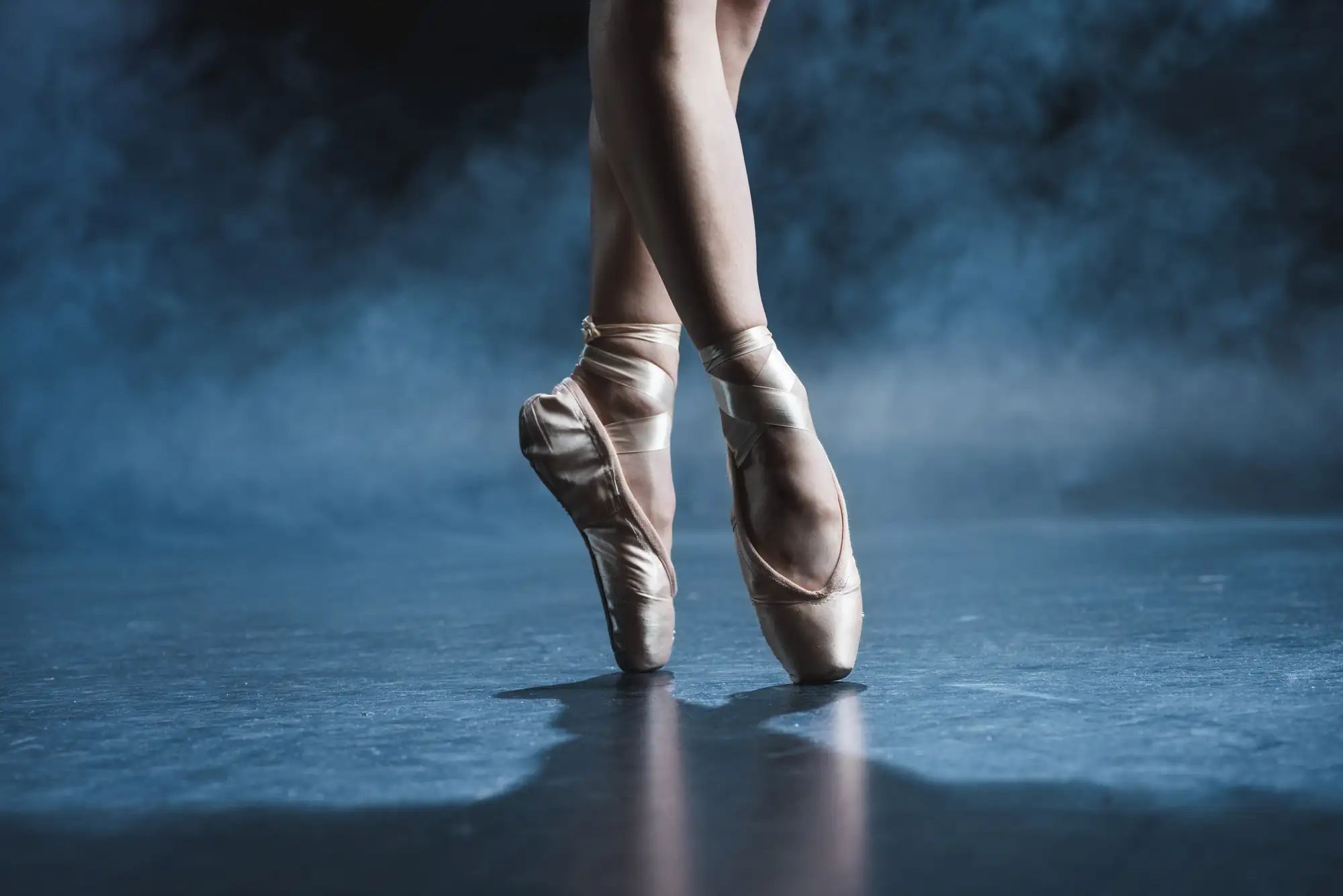
Antonio Castillo Algarra’s departure from the Ballet Español de la Comunidad de Madrid is not merely a change in artistic direction: it reflects a political upheaval affecting the city’s cultural and educational life. The resignation, confirmed this Wednesday, comes after weeks of tension between the young advisers known as the “pocholos” and the more veteran wing of the Partido Popular, headed by Miguel Ángel Rodríguez, Isabel Díaz Ayuso’s right-hand man.
In the corridors of Sol, the news has been felt like an earthquake. Algarra’s influence, as a playwright and until now a leading adviser on education, had grown in recent years, especially among the PP’s younger office holders. However, pressure from the party’s more traditional sectors has ultimately tipped the balance. The dismissal of Emilio Viciana, the Education Minister, on Monday night was only the first visible move in a chain of resignations and departures that has left the Consejería de Educación without part of its closest team.
In less than twenty-four hours, three Partido Popular MPs and two directors-general — responsible for universities and secondary education — submitted their resignations. The atmosphere in the Assembly and at the regional headquarters was one of surprise and bewilderment. It is unusual for several MPs to give up their seats so suddenly, and even more so in the middle of a parliamentary term.
Algarra, who has made his view of the crisis public through social media, directly identifies Miguel Ángel Rodríguez as the architect of the campaign against him. The playwright believes that the offensive is part of a strategy to return control of Madrid’s education to the party’s hardline wing, moving away the young people who had until now set the pace of public policies.
The internal rift in Madrid’s PP has become visible at a key moment for the city. The management of education and culture, two areas that directly affect the daily lives of thousands of families, is now in the hands of a renewed team with a different orientation. Madrid is adjusting its rhythm again, and the cultural and educational agenda of the coming months could experience notable changes.
The Ballet Español de la Comunidad de Madrid, based in the heart of the city, has for years been a benchmark in cultural programming and the training of young talent. Its activity not only fills theatres, but also connects with neighbourhoods and brings dance to diverse audiences. The departure of its artistic director opens a new stage for the institution, which will have to redefine its role in a city where culture and politics often go hand in hand.