
News
L’Hospitalet promotes Greater Barcelona's largest biomedical district with 240 million and 500,000 m² of green space
The L’Hospitalet Innovation and Health BioCluster plans to put the Gran Via underground, generate 50,000 jobs and create more than 500,000 square metres of green space, with 240 million in public investment.
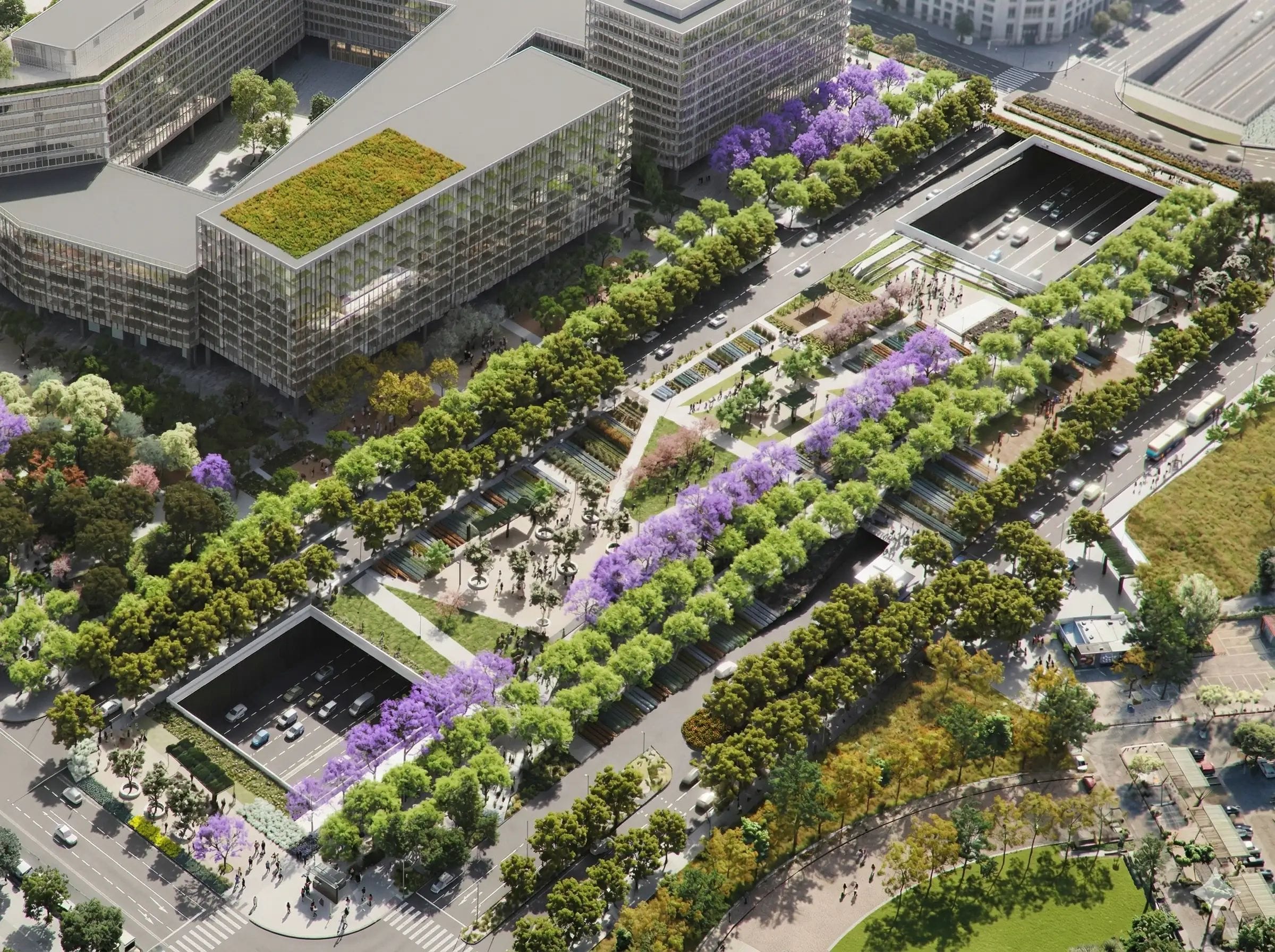
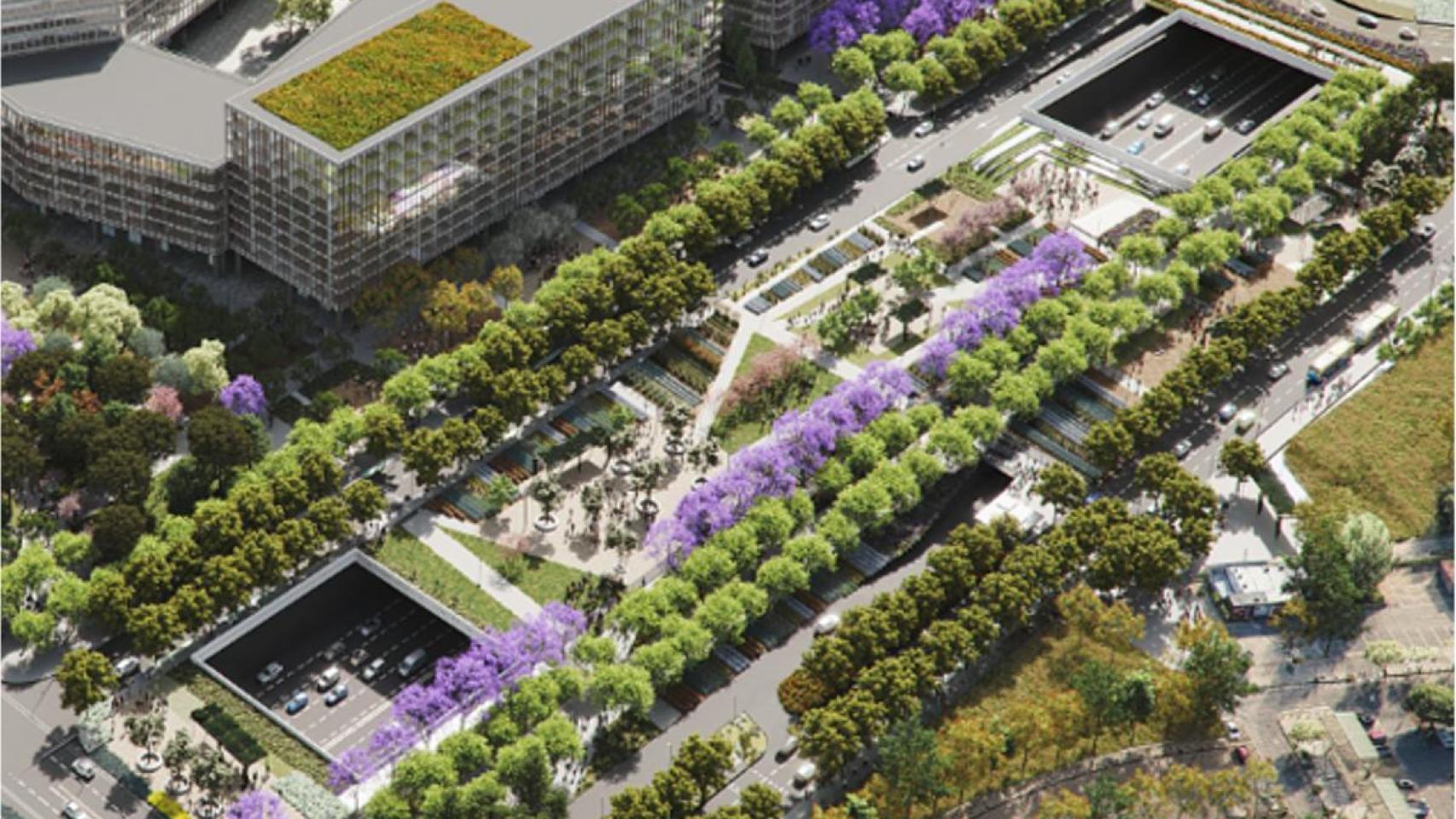
Greater Barcelona's largest biomedical district is taking shape in L'Hospitalet. A public investment of 240 million will transform the Gran Via and add 500,000 m² of green spaces. The project foresees 50,000 new jobs and a unique green lung in the metropolitan area.
Greater Barcelona's most ambitious urban transformation already has a name of its own: the BioClúster de Innovación y Salud de L'Hospitalet. This project, promoted by the Consorcio para la Reforma de la Granvia, promises to change the lives of thousands of people with a public investment of 240 million euros and the creation of 50,000 jobs in the health and bioscience sector.
The plan envisages putting the Gran Via underground between rambla Marina and the Llobregat river, freeing up space for a new development that will combine economic activity, research and teaching. Of the planned funds, 125 million will go towards burying the fast road and 66.4 million towards urban development. The economic impact is estimated at 4.5 billion euros, equivalent to 1.77% of Catalan GDP.
The future district will include benchmark institutions such as Hospital de Bellvitge, Institut Català d'Oncologia, Institut de Recerca Biomèdica de Bellvitge and Universitat de Barcelona, consolidating the area as a key health and bioscience hub in southern Europe. The new Clínic will strengthen this ecosystem further, which seeks to attract and retain talent in the city.
The new Gran Via will offer a landscaped central section, surrounded by vegetation and places to sit, while private-vehicle and bus traffic will be organised along the sides. The planned maximum buildability will be ground floor plus 15 storeys, and hotel activity will be limited to 13% of uses, with 5% reserved for student or elderly residences and 10% for restaurants and shops.
One of the major challenges is increasing urban greenery in L'Hospitalet, which currently has barely 5.8 square metres per inhabitant, well below the 10 recommended by the OMS. The project envisages 500,000 square metres of green spaces, including an urban forest of 4,000 trees that will cross the Gran Via from the Institut Català d'Oncologia.
The redevelopment will eliminate the deteriorated underpass that connects to the oncology centre, making access easier and improving safety. Of the 96 hectares affected, more than 53% will be green spaces. The future Cal Trabal metropolitan park stands out, with 28 hectares and special conditions to preserve biodiversity; it is considered strategic by the Generalitat and one of the most important in the AMB.
The Cal Trabal surroundings, located in the Delta ZEPA area, will guarantee bird protection and limit activities that could disturb their habitat. The park will always be open to the public, but its design will avoid large crowds. Clearly defined paths, three panoramic balconies, two viewpoints and a small picnic area will be created, all designed to connect the city with the Llobregat river.
The connection to the Llobregat green corridor will be strengthened by a new bridge over the B-10, allowing pedestrians and bicycles to cross towards El Prat. The timetable foresees tendering the undergrounding works between July and September, with award in 2027 and completion in 2029. Work on Cal Trabal will begin in mid-2029 and the project as a whole will be ready in 2031.
As well as its ecological value, Cal Trabal park will incorporate the restoration of the protected farmhouses Cal Masover Nou and Torre Gran as public facilities. The green heart of the park will be a naturalised pond, connected to a network of irrigation ditches and canals, where planting native species will benefit protected fauna and restore the riverside landscape.
Cal Trabal, with its agricultural history and strategic location beside the Llobregat, represents one of the last major natural spaces in the metropolitan area. Its transformation into a metropolitan park marks a milestone for biodiversity and quality of life in southern Barcelona. The design prioritises landscape integration and species protection, making this green lung a benchmark for future urban interventions in the city.
BioClúster L'Hospitalet (Granvia underground Marina-Llobregat): €240M public (undergrounding €125M/urban development €66.4M); impact €4.5bn (1.77% Catalan GDP); 50,000 health and bioscience jobs (Bellvitge/ICO/IDIBELL/UB + Clínic).
96 ha: 53% green (500,000m²); landscaped Gran Via (traffic along the sides); buildability GF+15 storeys (13% hotel/5% residences/10% shops).
Parc Cal Trabal 28 ha (Delta ZEPA; pond/irrigation ditches/3 balconies/2 viewpoints/picnic; Masover Nou/Torre Gran farmhouses restored; B-10 pedestrian-cycle bridge → Prat).
Timetable: tender July–Sep 2026; award 2027; completion 2029–2031.