
News
British Council prepares a redundancy plan affecting 146 employees in Spain
The British Council faces a profound restructuring in Spain that could change its presence in Madrid and Barcelona as it has been known until now. The organisation has launched an employment regulation procedure that could affect 146 workers and plans to sell two of its most emblematic headquarters.
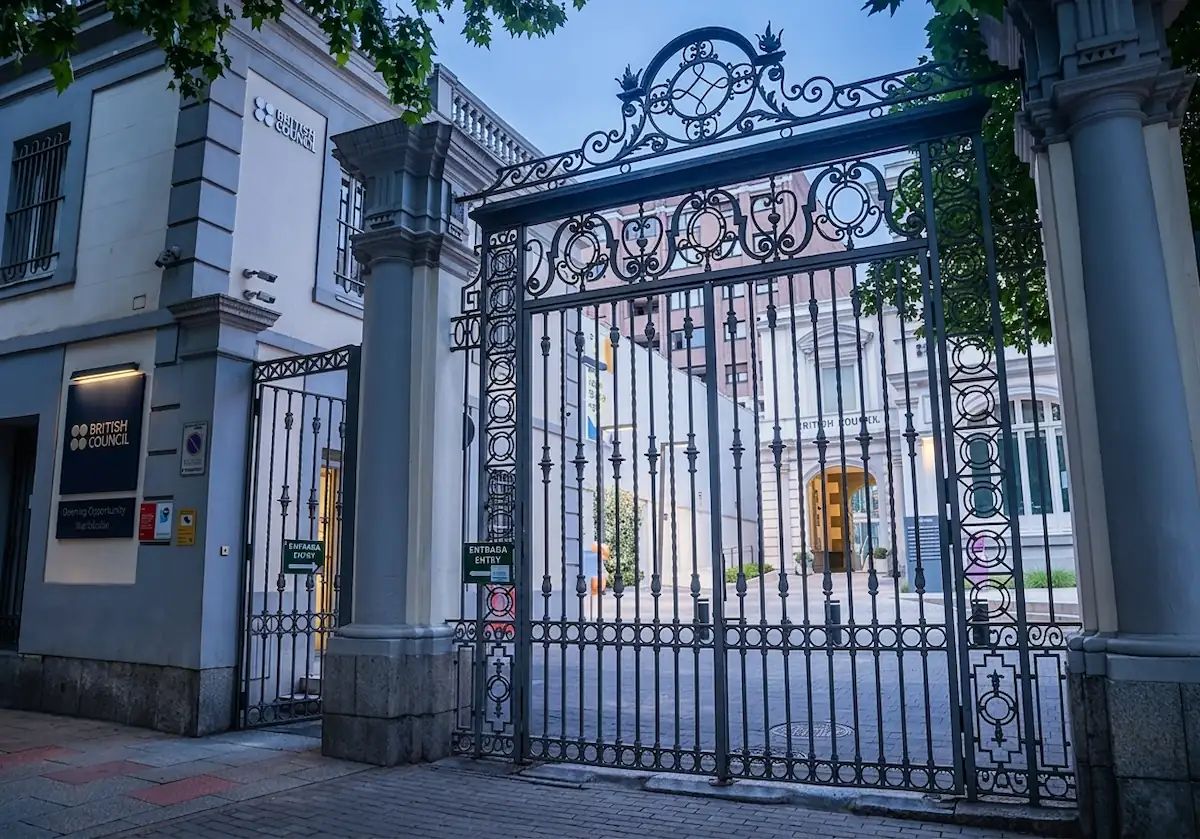
In Madrid, the impact is centred on the historic Edificio Palacete de Chamberí, which for decades has been associated with classes, exams, cultural activities, and generations of students. The sale of the building is not just a real estate transaction: it also marks the end of an era for an institution that is highly recognisable in the educational life of the capital.
The situation is especially worrying for the staff. In Madrid, where around 320 people work, unions estimate that up to 75 employees could lose their jobs. Overall, the adjustment in Spain would affect administrative areas, customer service, marketing, and also teaching staff.
The plan is part of an internal reorganisation known as the New Target Operating Model. According to workers' representatives, many employees will have to compete for new positions within the structure, while others will see their roles disappear altogether.
The British Council's financial crisis has been ongoing since the pandemic. The drop in in-person activity was compounded by a loan from the British government that still weighs on the organisation's accounts. Strategic decisions are made in London, which increases the sense of distance between global management and the reality of the Spanish centres.
The organisation argues that the sale of buildings is a response to a change in model, with a greater emphasis on digital teaching and the need to reduce fixed costs. The workers, however, point out that in Spain, in-person classes and exams still play a very important role for students, families, and professionals.
Concern also stems from recent precedents. Some staff fear that Spain could follow a path similar to Italy, where the sale of premises eventually led to the closure of teaching centres. The British Council insists that its commitment to Madrid, Barcelona, and the country as a whole remains.
The case raises an uncomfortable question for Madrid: what happens when a cultural and educational institution with decades of history begins to let go of its physical spaces? In Chamberí, the Palacete was not just another address; it was a place frequented by students, teachers, and families, and its future opens another gap in the everyday memory of the neighbourhood.