
News
Rising heat in the sea puts key Mediterranean species at risk
The Mediterranean is no longer the same. Marine heatwaves have become an increasingly frequent phenomenon off the coast of Barcelona, with direct effects on wildlife and local fishing.
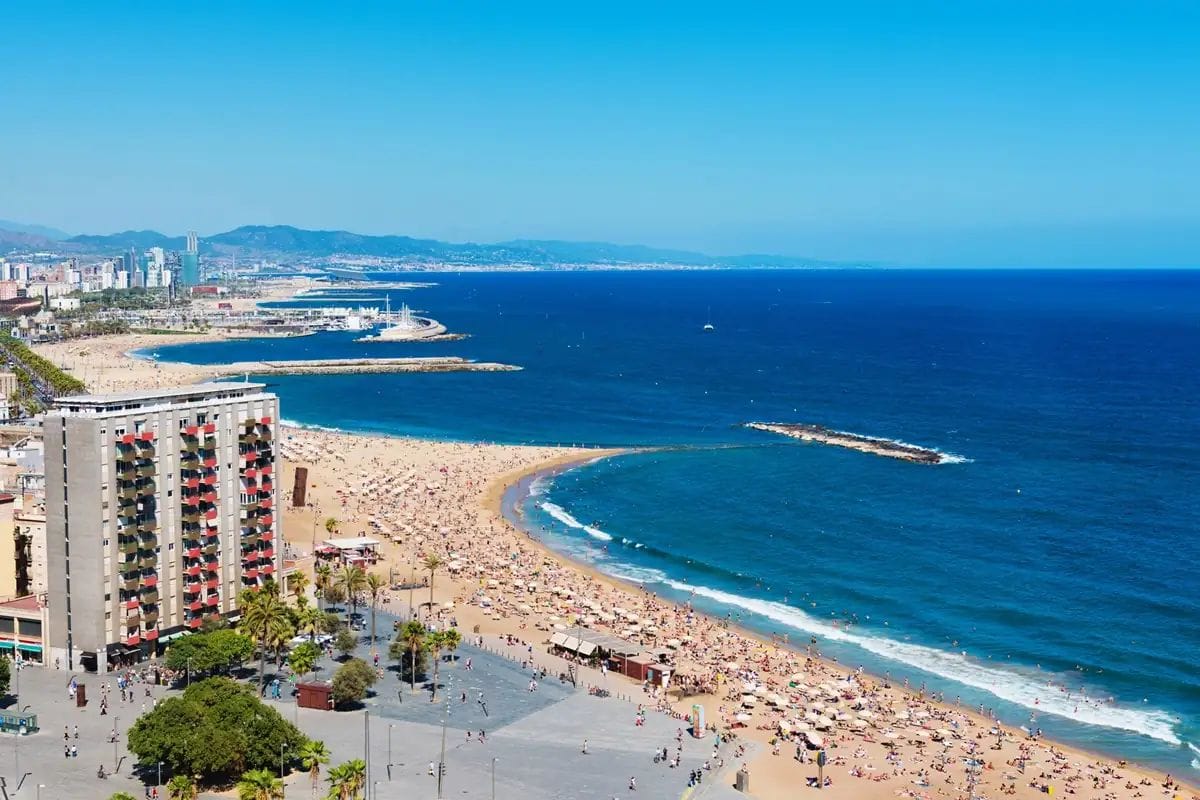
These episodes occur when water temperature exceeds its usual values for several consecutive days. Over the past decade, their intensity and duration have increased to affect large areas of the western Mediterranean.
The change is first noticeable at the base of the ecosystem. Organisms such as phytoplankton and zooplankton react quickly to temperature variations, altering the food chain and ultimately affecting fish and seabirds.
The impact also reaches the economy. Species such as sardines and hake, which are fundamental to fishing, see their stability compromised. This affects the income of those who depend on the sea and the supply to local markets.
In this scenario, experts propose measures such as protecting marine areas and reducing fishing pressure. The aim is to strengthen ecosystems’ capacity to adapt and minimise the effects of warming.
From Barcelona, centres such as the Institute of Marine Sciences (ICM-CSIC) analyse these changes to anticipate risks and propose solutions. Their studies help to understand how the Mediterranean is evolving and what is at stake for the city and its surroundings.
The rise in sea temperature is no longer a distant trend, but a factor already shaping life on the coast. The response to this phenomenon will mark the future of biodiversity and fishing activity in the Mediterranean.