
News
Extreme heat increases mortality and disrupts life in Madrid
Extreme heat is hitting Madrid again, and its effects are no longer measured only by thermometers. High temperatures have driven up heat-attributable mortality and are changing very specific routines: when to go out, how to get around, where to seek refuge and which neighbourhoods endure the most severe hours of the day.
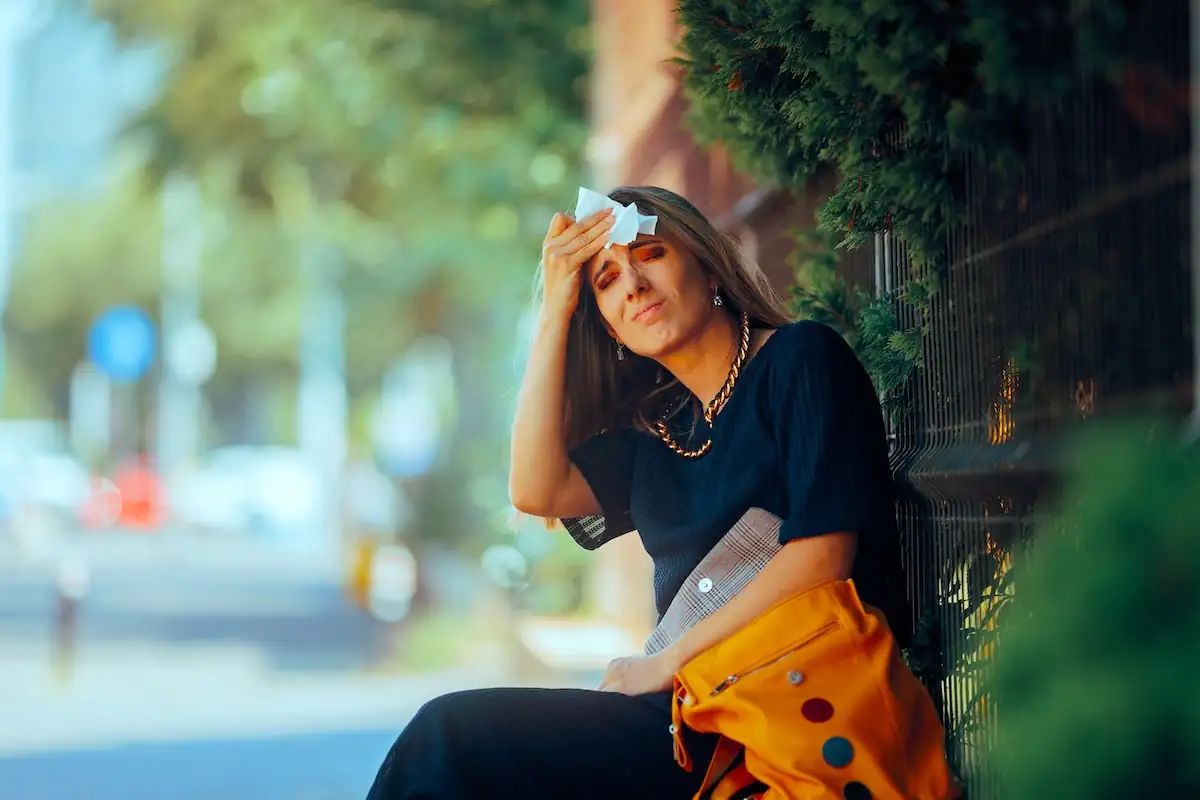
Comunidad de Madrid recorded 28 deaths attributable to heat between 22 and 24 June, according to estimates by the MoMo system of Instituto de Salud Carlos III. The figure confirms that extreme episodes have a direct impact on health, especially when several days of very high maximum temperatures and nights without relief occur in succession.
The previous summer had already left a clear sign. In 2025, Madrid recorded 591 heat-related deaths during the summer season, 84.1% more than the previous year. Most were concentrated in August, the month when accumulated heat, tropical nights and the vulnerability of many people combine most strongly.
The risk does not affect everyone equally. Older people, those who live alone, patients with cardiovascular or respiratory diseases, young children, pregnant women and outdoor workers are the most exposed groups. For them, a heatwave is not an inconvenience: it can become a health emergency.
Daily life also changes. Streets lose activity during the middle hours of the day, terraces seek shade, parks empty at midday and many journeys are postponed until the afternoon. In neighbourhoods with little tree cover, much asphalt and poorly insulated homes, the perceived temperature can be much harsher than the official figure.
Night-time heat adds another problem. Sleeping badly for several days affects concentration, mood, work performance and safety when travelling. Anyone who does not rest well drives worse, works with greater fatigue and reaches the following day with less capacity to withstand another extreme day.
Authorities insist on basic measures: drink water even if you are not thirsty, avoid exertion during the hottest hours, seek out cool spaces, lower shutters during the day and pay attention to vulnerable relatives or neighbours. Climate shelters, libraries, public centres and shaded areas become more important with each episode.
Madrid is entering a period in which heat organises part of urban life. It is no longer only about enduring summer, but about adapting schedules, homes, transport, work and public space to a more dangerous reality. Every heatwave is a reminder that protecting oneself is not a minor recommendation: it can make the difference between having a bad afternoon and suffering a serious consequence.