
News
Barcelona faces summer after a sharp rise in heat-related deaths
Barcelona approaches summer with a figure that goes far beyond the feeling of oppressive heat in the street. Heat-related deaths increased by 57% in 2025 compared with the previous year, once again highlighting a reality that is increasingly difficult to ignore: high temperatures also kill.
The Agència de Salut Pública de Barcelona estimates that more than 3,500 people have died in the city from heat-related causes during the May-to-September months of the last decade. It is not only the extreme days that make headlines, but repeated exposure that wears down the most vulnerable population in particular.
In 2025, 370 heat-related deaths were recorded in Barcelona. The figure represents a significant rise on the previous year and confirms a worrying trend in a city where tropical nights, poorly ventilated flats and the lack of cool refuges do not affect everyone equally.
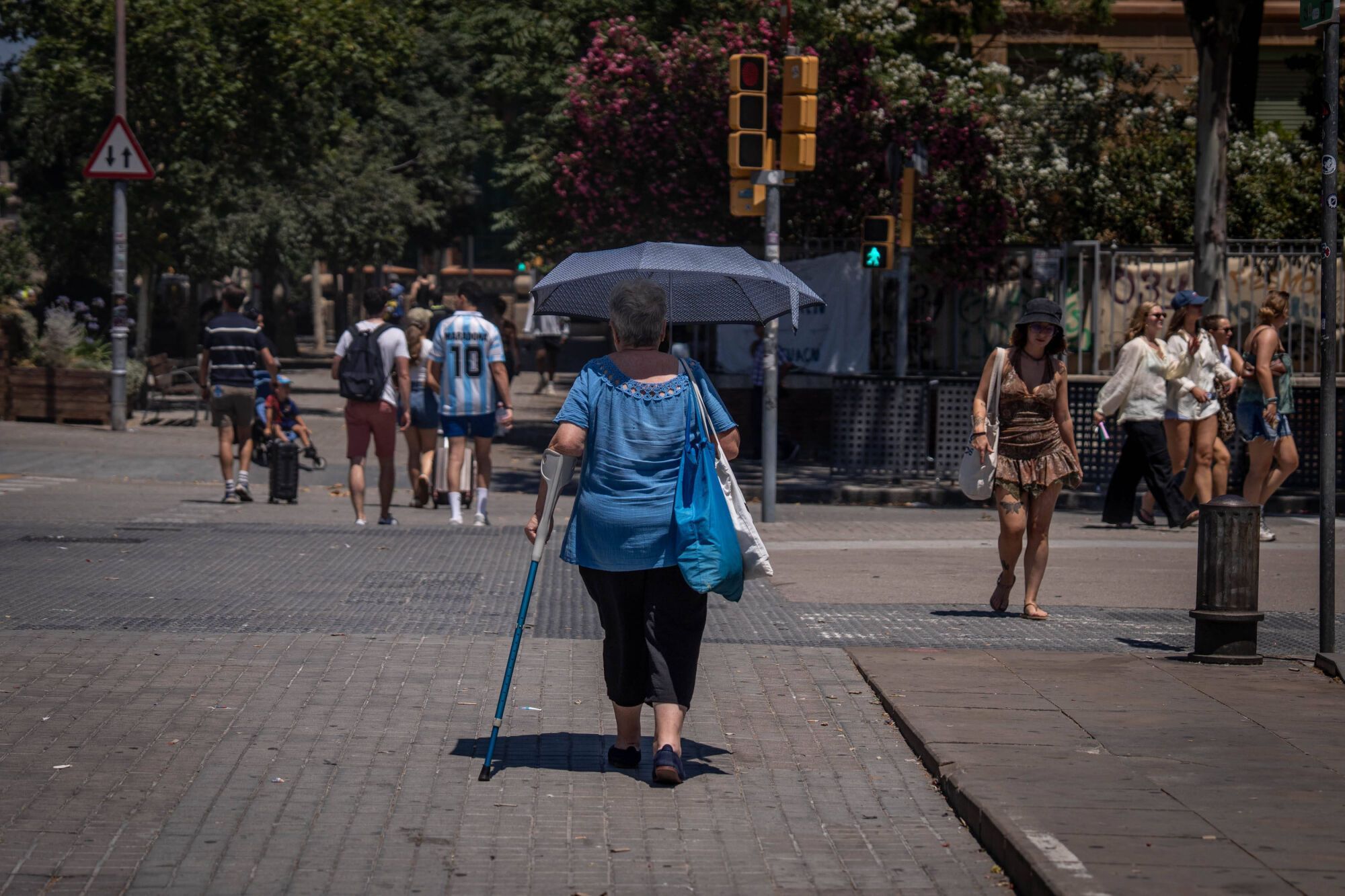
The impact is particularly harsh among women and people over 75. In 2025, almost 83% of deaths attributed to heat were among women, at a rate far higher than that of men. Age, chronic illnesses, medication and loneliness aggravate the risk when the thermometer offers no respite.
Days of intense heat are the most dangerous. In Barcelona, the risk shoots up when the temperature exceeds 34.3 degrees. In 2025 there were four days above that threshold and 58 deaths were attributed to them, again with women forming the majority among the victims.
But experts warn that the problem is not limited to the most extreme episodes. Days of moderate heat, when repeated for weeks, can end up causing more deaths than a single heatwave. That silent accumulation is one of the keys to understanding why summer has become a public-health problem.
Between May and September 2025, 8% of all deaths recorded in Barcelona were related to heat. On the most intense days, the risk of dying increased by 44% compared with mild days, a difference that is amplified among older people, women and people with fewer resources to protect themselves.
The city has begun to measure this impact more precisely. Since 2024, the Agència de Salut Pública has analysed heat-related mortality by sex, age and social factors, key information for designing alerts, strengthening prevention and reaching people who experience summer at greater risk earlier.
Heat is no longer only a seasonal discomfort in Barcelona. It is a question of housing, age, health, neighbourhood and resources. As the city seeks more shade, climate refuges and preventive warnings, every summer serves again as a reminder that protection from heat has become a daily necessity.