
News
The heat turns metro platforms into one of the worst parts of the journey
Getting around Barcelona by public transport is becoming especially tough during the hottest hours. Although the metro, trains, and buses have air conditioning, the problem is concentrated in the waiting time: platforms, corridors, and stops where the heat builds up and there’s hardly any chance to cool down.
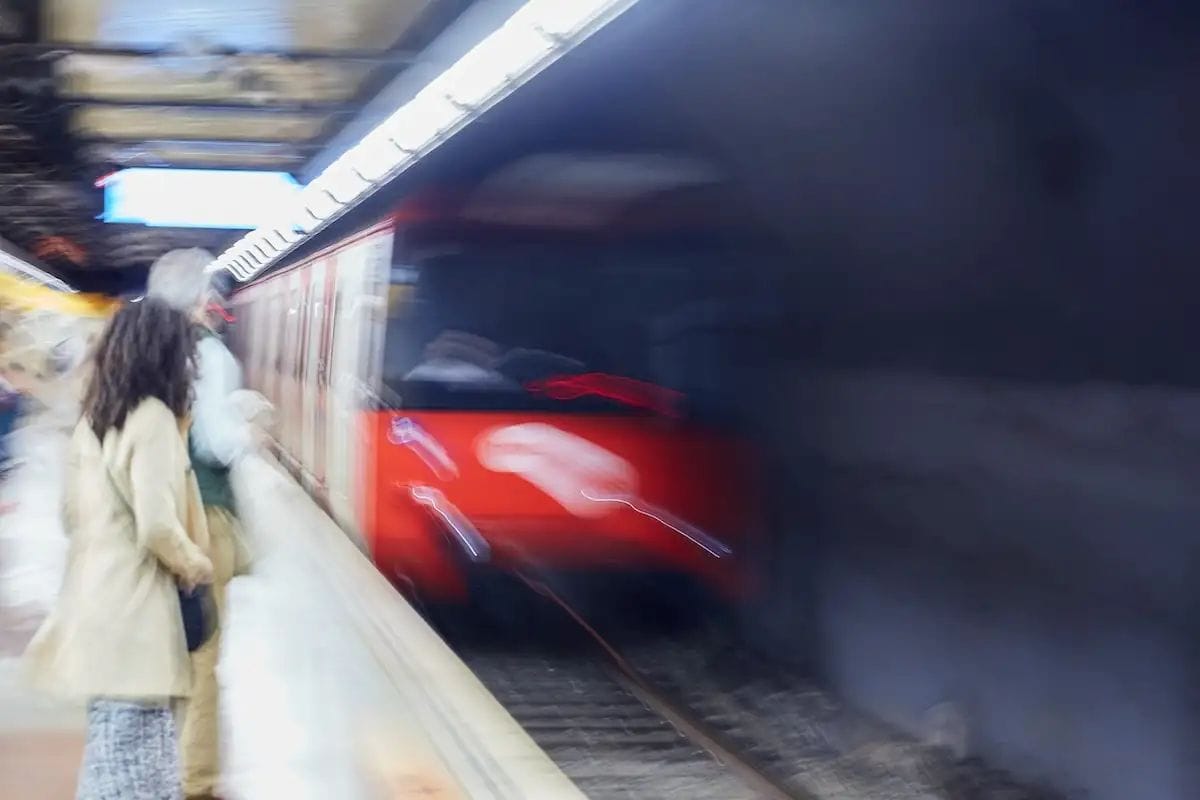
On the metro, the contrast is immediate. Air conditioning is welcome inside the carriage, but when you get off onto an underground platform the atmosphere can become much heavier. Long corridors, stairs and poorly ventilated areas worsen a thermal sensation that many travellers try to combat with fans or small portable ventilators.
Some users are even adapting their routines. Older people and those who tolerate high temperatures less well tend to avoid the middle hours of the day, bring errands forward or delay journeys to reduce the time they are exposed to the heat. When a trip requires several connections, every wait adds up.
At bus stops, the situation is usually somewhat less stifling, but it depends greatly on the shade available. The shelter does not always protect from the sun at every time of day, and a delay of several minutes can turn a short wait into an uncomfortable experience, especially on avenues with few trees.
Rodalies does not escape the problem either. Stations such as Plaça Catalunya concentrate large flows of travellers underground and the contrast with the train’s air conditioning can be pronounced. When delays or longer intervals also occur, the discomfort increases because the waiting time is extended in enclosed spaces.
TMB keeps its fleet air-conditioned, but cooling the platforms is much more complex. The constant passage of trains moves large volumes of air and makes it difficult to maintain a stable temperature, so the solutions tried so far have not managed to reproduce in stations the comfort that does exist inside the vehicles.
On trains, air-conditioning maintenance becomes especially important during extreme episodes. The continuous opening of doors, the entry of hot air and very high outdoor temperatures reduce the equipment’s effectiveness and may make it necessary to take extra precautions to protect the systems.
The effect is felt in a part of the journey that normally goes unnoticed: waiting. This summer, choosing a station with fewer connections, looking for a stop with shade or leaving half an hour before the heat intensifies has become, for many Barcelonans, one more decision in their daily journey.