
News
Extreme heat exposes the social gap in access to air conditioning
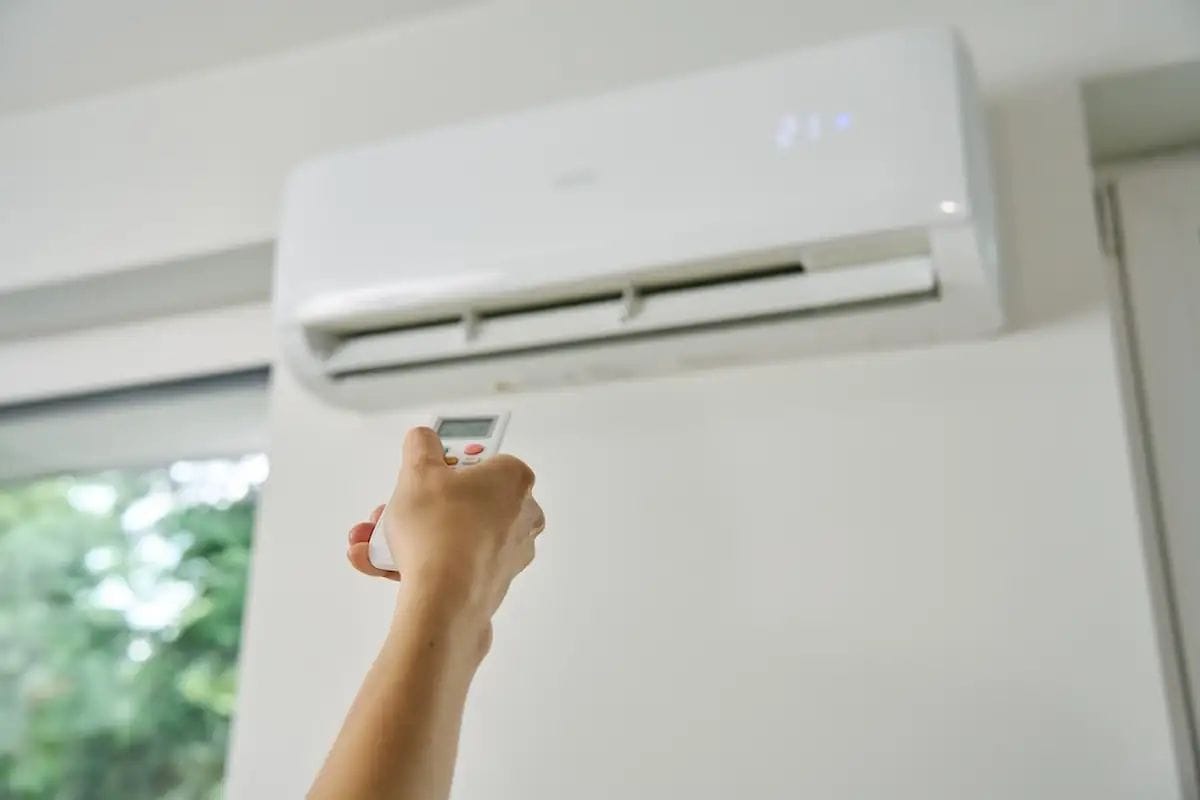
Extreme heat is exposing an increasingly visible social gap in Madrid, Barcelona and other major cities: not all households can protect themselves equally when temperatures soar. Having air conditioning, a well-insulated home or money to pay the electricity bill has become an everyday advantage.
The difference is not just about being more or less hot. In lower-income neighbourhoods, many families live in more poorly insulated flats, with less shade, fewer green spaces and greater exposure to asphalt. That means heat enters homes earlier, lingers overnight and makes it harder to sleep, work or care for older people and children.
The figures point to clear inequality. In the Barcelona area, high-income households have twice the access to air conditioning of lower-income households: around 71% compared with less than 40%. The gap is particularly noticeable when several nights arrive in a row without relief from the heat.
Madrid faces the same tension, though with its own particularities. The capital combines harsher summers, very dense neighbourhoods, old housing and strong economic pressure on households. For many families, running the air conditioning for several hours a day is not a simple decision, but another bill competing with rent, food, transport or utilities.
Energy poverty can no longer be understood only as being cold in winter. More and more experts and social organisations are calling for it also to include the ability to keep a home cool in summer, because heat affects health, sleep, school and work performance, and the risk of heatstroke.
Inequality also appears outside the home. Someone who works in an air-conditioned office, can work from home or adjust their hours does not experience heat in the same way as someone who cleans, delivers, provides care, drives or works consecutive shifts on the street. On the harshest afternoons, the heat reduces mobility and changes habits, but not everyone can afford to stop.
Cities have begun to respond with climate shelters, open libraries, cool civic centres, shade, fountains and alerts for vulnerable people. These are useful measures, but they do not replace housing prepared to withstand ever longer summers or a support network that takes account of the real cost of cooling.
The question left by every heatwave is uncomfortable: who can close their front door and be safe, and who remains trapped in a flat whose temperature does not fall even in the early hours. In Madrid and Barcelona, access to cool conditions is now part of urban inequality, just like housing, transport and public space.