
News
The heat once again leaves the Museo Nacional de Artes Decorativas without visitors
The Museo Nacional de Artes Decorativas has once again closed its doors due to high temperatures, a situation that repeats every summer and disrupts the plans of those who had intended to visit. The closure affects both the public and the centre's staff, who have been calling for a permanent solution for years.
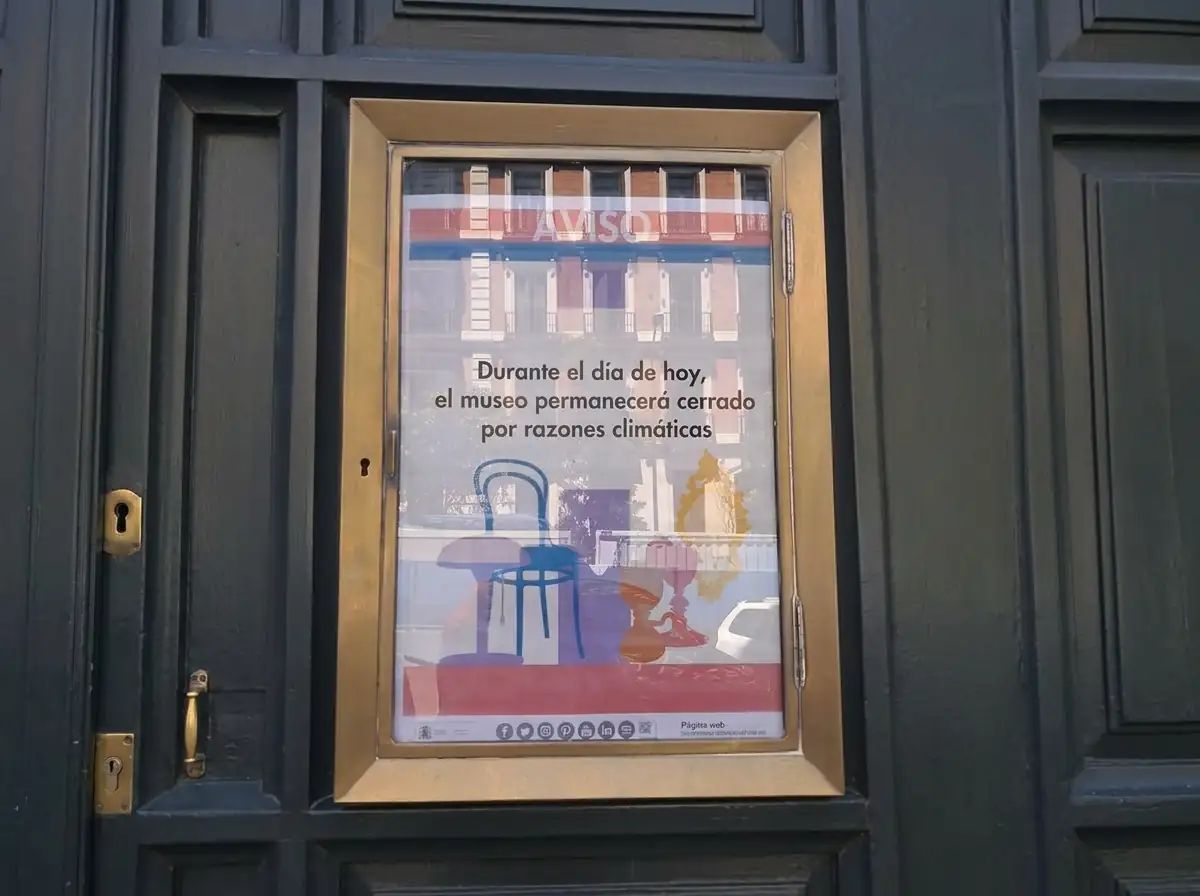
On this occasion, many visitors discovered that the museum was closed when they arrived at the building. The information had not been communicated in advance on the website or through the usual channels, which forced numerous tourists and Madrid residents to change their plans on the spot.
The root of the problem lies in the high temperatures reached inside the building during the hottest months. When conditions do not allow for the wellbeing of staff and the public, the museum chooses to suspend activity until the situation improves.
Staff representatives have long been proposing measures to avoid this uncertainty. Among them is the idea of establishing a scheduled closure during the hottest weeks and announcing it in advance, so that visitors can plan their agenda without finding the museum closed when they arrive.
Despite investments in climate control at various state museums in recent years, the building on calle de Montalbán continues to struggle to maintain suitable conditions during the summer. The situation affects both the centre’s activities and the experience of those who wish to visit.
The Museo Nacional de Artes Decorativas houses one of Spain’s most important collections dedicated to design, applied arts, and everyday objects. Although it receives fewer visitors than other major museums in the capital, it is part of the cultural offering of the Prado-Recoletos axis and attracts specialists, students, and tourists throughout the year.
Each episode of extreme heat once again highlights the challenge of adapting historic buildings to new climate conditions. Until a stable solution is found, openings and closures will continue to depend on the temperature, with the resulting impact on staff and visitors who wish to enjoy this cultural space.