
News
Changing the clocks barely saves energy and remains stalled in the Unión Europea
In homes, lighting now accounts for only 3 to 5% of consumption. LED technology has reduced the possible savings from changing the clocks to almost nothing, while the Unión Europea still has not reached an agreement.
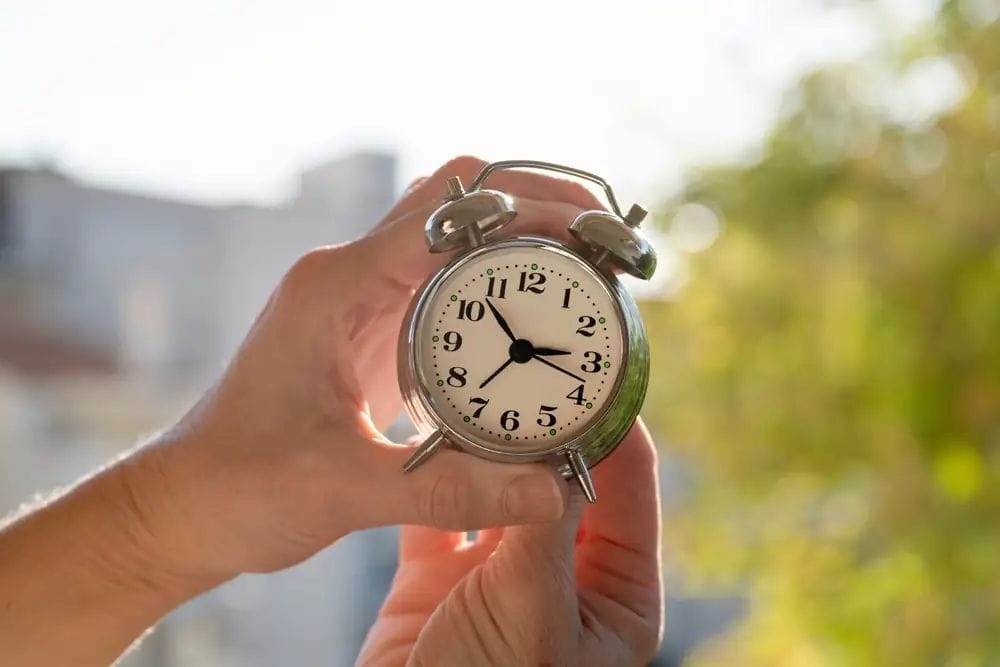
Lighting weighs much less than in 1974 and current savings are between 0 and 0.1%
In homes, lighting now accounts for only 3 to 5% of consumption; in services, between 12 and 15%. With these figures, the energy savings from changing the clocks has dropped to between 0 and 0.1%, according to Ivan Capdevila, director of Energía y Sostenibilidad de WATTEGA (ARCbcn & ERF) and a board member of the Clúster de l’Energia Eficient de Catalunya.
LEDs have changed the equation
The time change was permanently introduced in 1974, after the oil crisis. The idea was to make better use of natural light in the evenings and use less electricity for lighting. At that time, Capdevila estimates that the savings could be around 3 to 5%.
LED technology, introduced over the past 15 years, has meant that lighting homes and services now requires much less electricity. When the measure was first implemented, lighting accounted for 15% or more of household consumption. In services, it could reach between 30 and 40%.
At the same time, the share of other types of consumption, such as air conditioning and household appliances, has increased. So moving the clocks forward or back every six months—in spring and autumn—now has little impact on total energy use.
The European Union has yet to settle the debate
The possibility of ending the time change has been on the table in the European Union for years, but negotiations between member states have not reached an agreement. The Comisión Europea has criticised the fact that, after eight years of talks, the proposal remains blocked in the Council of the EU.
Anna-Kaisa Itkonen, the EU spokesperson for Energy, recalled that Brussels set out its position in 2018. The initiative remains "stuck" in the Council and the study on the issue that Brussels was supposed to present by the end of the year still has no date. Itkonen explained that they are working on it, but do not yet know when it will be published.
Which time suits the body best?
Some people prefer to keep the longer evenings of summer time and are wary of the idea of keeping winter time all year round. However, there is growing evidence that the latter is better aligned with the natural rhythms of the human body.
Before summer time was introduced, winter time was kept all year round. The change was made to lengthen the evenings; the savings that justified it then, according to Capdevila, are now marginal or non-existent.